
Revolutionizing Medical Record Review in the Legal Field: How Technology Drives Efficiency and Accuracy
Key Takeaways
- Technology, including AI, is optimizing medical record reviews for legal professionals.
- AI-powered platforms eliminate much of the manual labor, vastly improving speed and accuracy.
- Integrating new tools into legal practice streamlines workflows and boosts client satisfaction.
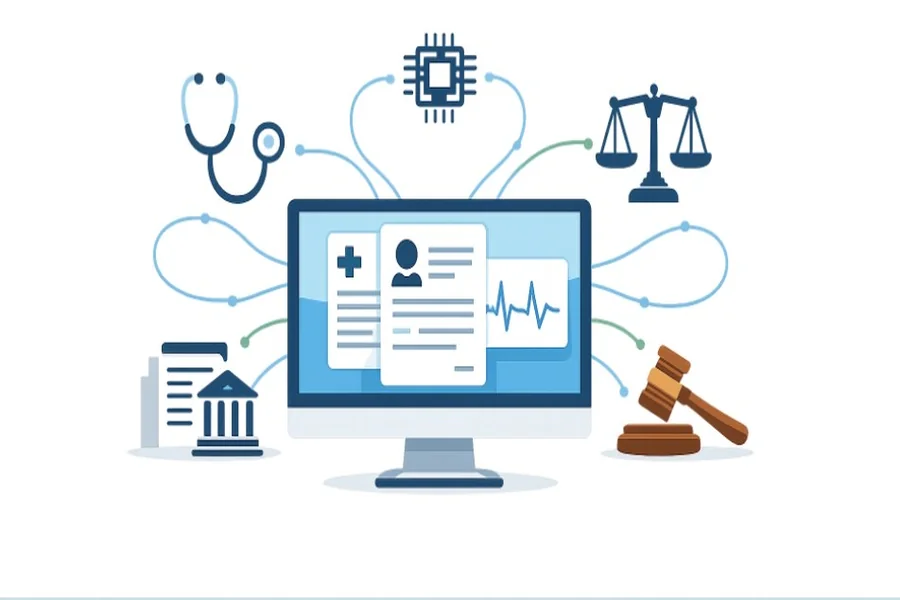
In today’s legal landscape, the analysis of medical records remains crucial in cases like personal injury, medical malpractice, and mass torts. Traditionally, this review has been a painstaking, manual process, often resulting in delays and errors due to the sheer volume and complexity of records. Now, more firms are enhancing workflow by leveraging technology to handle medical summaries for law firms, ensuring vital information is found quickly and accurately.
These technological advancements are not just about saving time; they also improve the accuracy of findings and lead to stronger case preparation. For legal professionals, the shift from paper-intensive to digital, AI-assisted reviews marks a profound change in how they manage evidence and client data. As legal teams face growing caseloads with higher expectations for quick turnaround, embracing this digital transformation becomes essential for successful legal outcomes.
Challenges in Traditional Medical Record Reviews
For many legal teams, sifting through hundreds or thousands of pages of medical records is daunting. Records often arrive in inconsistent formats, filled with handwritten notes, jargon, and redundant or irrelevant entries. Attorneys and paralegals must carefully review timelines, spot omissions, and extract only the information relevant to each unique case. This manual process increases the risk of overlooking critical evidence, can drive up case costs, and extends case timelines, negatively impacting client outcomes.
Emergence of AI in Medical Record Analysis
Artificial Intelligence is becoming a transformative force in medical record review. AI-driven solutions can rapidly examine massive data sets, scanning for relevant keywords, patterns, and anomalies. Machine learning models are now trained to understand medical terminology and context, helping legal teams zero in on injury dates, diagnostics, physician notes, and treatment milestones. These technologies automate and expedite the process that once took weeks or even months to complete, giving legal practitioners a competitive edge.
Benefits of AI-Powered Tools for Legal Professionals
Bringing AI-powered platforms into medical record review offers significant advantages:
- Increased Efficiency: AI can process thousands of documents in minutes, freeing legal staff from repetitive tasks.
- Enhanced Accuracy: AI minimizes human error by consistently identifying and capturing critical data.
- Cost Reduction: Automating document analysis lets firms allocate resources to higher-value strategy and client work, reducing operational overhead.
Beyond these direct benefits, adopting AI tools can also make practices more scalable, helping firms adapt to rapid changes in case volume or complexity.
Notable AI Solutions in the Legal Industry
Several dedicated platforms have risen to prominence by addressing the specific needs of law firms:
- ReviewGenX™: A solution developed by Managed Outsource Solutions that combines AI and natural language processing, offering instant, accurate medical chronologies and summaries that aid swift case assessments.
- EvidenceEngine: Designed by Angeion Group, this AI review tool helps with mass tort cases, streamlining the process of evaluating large sets of medical records and reducing overall costs.
Considerations for Implementing AI in Legal Practice
While AI brings benefits, there are important considerations before integrating it into legal practice:
- Data Privacy: Law firms must ensure strict compliance with regulations like HIPAA, safeguarding sensitive personal health information at every step.
- Vendor Due Diligence: It is crucial to thoroughly vet technology providers for their credibility, security protocols, and data management practices.
- Human Oversight: Even with advanced AI, legal experts must review outputs, interpret nuance, and make final decisions based on technology-assisted findings.
Future Trends in Medical Record Review Technology
The future of medical record review technology in law is promising, with several trends emerging:
- Enhanced Natural Language Processing: Future AI systems will be even more capable of understanding complex clinical language and irregular record structures.
- Deeper Integration: Expect seamless connections between AI tools and law firm case management systems, improving workflow and collaboration across teams.
- Predictive Analytics: Leveraging historical case data, AI can help forecast potential outcomes, helping attorneys develop more informed strategies.
Conclusion
AI-driven technology is rapidly reshaping the review of medical records for law firms. By addressing traditional inefficiencies and supporting better data-driven decisions, these tools empower attorneys to serve their clients faster and with greater accuracy. As this technology evolves, it will play an even bigger role in improving legal outcomes, achieving compliance, and driving the success of modern legal practices.