
What Homebuilders Can Learn from the Fredericton Housing Market’s Quiet Resilience
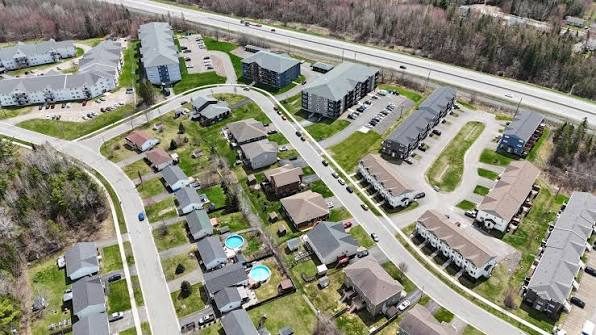
Fredericton’s housing market has been growing without the same level of attention given to larger Canadian cities. That makes its recent performance especially useful for homebuilders trying to understand what keeps a smaller market moving when housing conditions become harder.
The city has seen strong population growth, rising housing demand, and record construction activity. In 2025, Fredericton issued permits for 1,564 new housing units, far above its previous record of 938 units in 2022. Residential construction reached $296.9 million for the year.
At the same time, the market still faces affordability problems, high borrowing costs, and a shortage of homes. Fredericton’s experience shows that homebuilders can find opportunities in markets where demand is supported by real population and employment growth, provided they build the types of homes people can actually afford.
Why Fredericton’s Housing Market Has Stayed Resilient
The first lesson from Fredericton is that population growth creates a strong base for housing demand.
The city’s population was estimated at about 77,500 in 2024, up sharply from the 67,625 recorded in the 2021 Census. The Fredericton Census Metropolitan Area reached about 125,300 people in 2025, an increase of roughly 2,800 from the previous year.
This growth is important because people moving into a city need somewhere to live. New residents create demand for rental apartments, starter homes, family housing, townhomes, and other types of housing. That demand can keep builders active even when buyers become more careful about prices and mortgage payments.
Fredericton has also benefited from employment growth. New Brunswick reported that employment increased by 2.9% in 2024, while Fredericton recorded population growth of 3.1%.
For homebuilders, this creates a useful connection between jobs and housing. A growing employment base can bring more households into the market, while a growing population increases the number of people looking for housing.
Housing Demand Is Stronger When Supply Is Still Tight
Fredericton’s market also shows why builders should look at the gap between housing demand and available supply.
The city’s 2025 Housing Needs Assessment estimated that Fredericton needed about 3,010 additional homes immediately and nearly 20,000 more units by 2044. The assessment also projected a 41% population increase between 2024 and 2044.
That is a major long-term housing requirement for a city of Fredericton’s size.
The rental market gives another clear sign of the supply problem. The city reported a rental vacancy rate below 1% in 2025. When vacancy is this low, renters have fewer choices, landlords face strong demand, and developers have a clear reason to consider additional rental supply.
For homebuilders, the lesson is simple. A market does not need explosive price growth to support new construction. A persistent shortage of homes combined with population and employment growth can provide a strong foundation for development.
Record Construction Shows Builders Are Responding
Fredericton’s recent construction numbers are another important signal.
The city recorded 682 new housing starts during the first six months of 2025. That was already higher than the total number of starts recorded during all of 2024. More than 93% of those starts were multi-residential projects.
The full-year numbers were even stronger. Fredericton issued permits for 1,564 new housing units in 2025, making it the fifth consecutive year in which the city broke its previous development record.
This tells homebuilders something important about product selection. Multi-unit housing can play a major role when a market needs to add homes quickly and land and construction costs make traditional detached housing difficult to deliver at affordable prices.
The city is also using infill development to take advantage of existing roads, utilities, services, and amenities. That can reduce some of the infrastructure challenges that come with building farther outside established areas.
Build for the Housing Gap, Not Just the Highest Price
Affordability is one of Fredericton’s biggest challenges. The city’s Housing Needs Assessment found that housing costs have risen faster than incomes, reducing the share of homes that are affordable across income groups.
For builders, this means the most expensive product is not automatically the best product.
A strong development strategy starts with identifying who is missing from the current housing supply. That could mean first-time buyers who cannot afford large detached homes, renters looking for larger units, seniors looking to downsize, or workers who need housing close to employment centers.
This approach can lead to smaller floor plans, townhomes, duplexes, apartments, and other compact housing types. The goal is to match the product with the buyer’s budget rather than assuming that every buyer wants more square footage.
Design matters, too. As Devon Howard, CEO of Andor Willow, has noted, “Property buying is not only logical but also emotional. Buyers usually choose a home based on how they feel inside it.”
For homebuilders, that means affordability does not have to come at the expense of livability or appeal. Efficient floor plans, thoughtful layouts, natural materials, good lighting, and functional spaces can help smaller homes feel more comfortable and desirable without adding unnecessary square footage.
That is especially important when mortgage rates and household costs remain high. CMHC expects Canadian housing demand to remain subdued through 2026 because of high borrowing costs, slower population growth, and modest income growth.
Multi-Residential Housing Is Becoming More Important
Fredericton’s construction mix also highlights the growing role of multi-residential development.
More than 93% of the city’s housing starts during the first half of 2025 were multi-residential. This does not mean detached homes have lost their place in the market. It shows that adding housing at scale often requires more efficient use of land.
Multi-residential projects can put more homes on a smaller amount of land. They can also make better use of existing infrastructure in established areas.
For builders, this creates opportunities to study zoning rules, density limits, parking requirements, utility capacity, and land costs before buying a site. A parcel that appears expensive on a per-acre basis can still make sense if it supports a higher number of finished units.
The key calculation is the cost per buildable unit, not simply the price paid for the land.
Location Still Matters More Than Market Size
Fredericton also shows why smaller markets should not be judged only by their size.
A smaller city with strong employment, population growth, universities, government activity, healthcare services, and limited housing supply can create better development conditions than a much larger market with weak demand.
The city has also been planning for future growth. In 2025, Fredericton advanced plans for a new southeast neighbourhood expected to accommodate between 5,000 and 7,000 residents over the next two decades. The area is located near existing utility services, which can support future development.
Homebuilders should therefore study where population growth is actually happening and where infrastructure is already available. These details can have a major impact on land costs, development timelines, and project risk.
What Homebuilders Should Take From Fredericton
Fredericton’s housing market offers several practical lessons for developers entering smaller or overlooked markets.
The first is to follow population and employment data before following market headlines. Real demand starts with people who need housing.
The second is to study the housing shortage by price and property type. Knowing that a market needs thousands of homes is useful, but knowing whether those homes need to be apartments, townhomes, rental units, or starter homes is far more useful for a builder.
The third is to pay close attention to infrastructure. Sites near existing roads, water, sewer, schools, employment, and services can offer advantages over cheaper land that requires major infrastructure investment.
Finally, builders need to think about the entire homeownership journey when designing housing. A first-time buyer may eventually become a move-up buyer, while an older homeowner may need a smaller, lower-maintenance property. A market with several housing options can serve households through different stages of life.
The Bigger Lesson From Fredericton
Fredericton’s resilience does not mean the market is immune to higher borrowing costs or economic uncertainty. CMHC expects Canadian housing activity to remain relatively weak in 2026, with construction facing pressure from high costs and softer demand.
What makes Fredericton useful as a case study is the strength of its underlying housing need.
Population is growing. Employment has expanded. Housing supply remains tight. Development activity has reached record levels, and the city is planning for further growth.
For homebuilders, the lesson is clear. The strongest opportunities can exist in markets that have real housing shortages, steady population growth, and room for well-planned development. Fredericton shows how a smaller Canadian city can remain attractive to builders when projects are designed around actual local demand rather than short-term market excitement.