
Jose M. Gracia Harvesting, Inc.: Why Basic First Aid Training Matters When Operating Farming Vehicles
Introduction
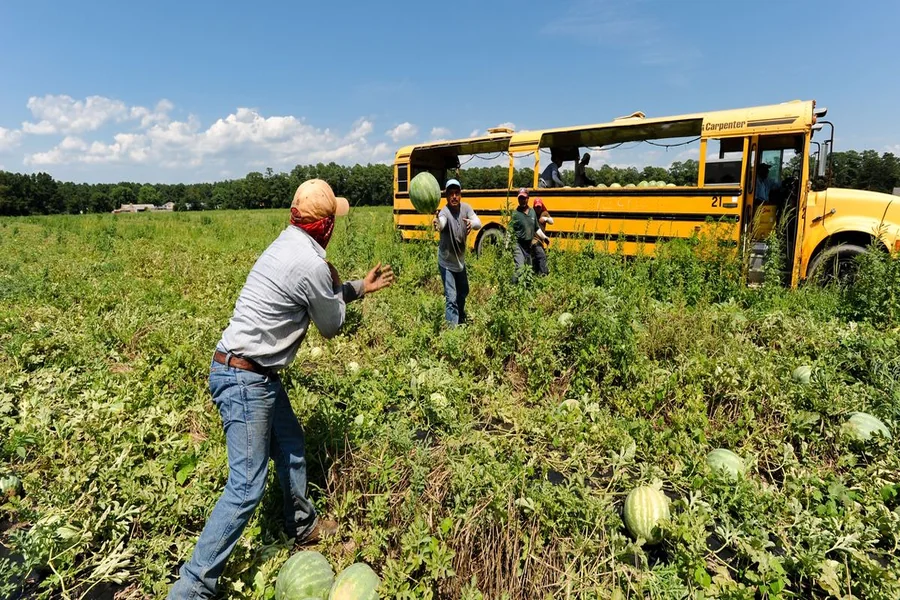
Since 1992, Jose M. Gracia Harvesting, Inc. has helped address labor shortages on American farms by supplying a legal workforce through the H-2A visa program, working extensively across North Carolina, Georgia, Florida, and other eastern states. The company, led by president Jose Gracia and supported by several family members, is especially experienced with labor-intensive crops such as tobacco, sweet potatoes, watermelons, strawberries, cantaloupes, and cucumbers. Jose M. Gracia Harvesting, Inc. has grown into a large-scale harvesting operation with a fleet exceeding 300 vehicles, including specialized transportation built to move watermelons and cantaloupes safely between fields and storage sites. Every worker completes extensive training covering field sanitation, machinery safety, heat stress prevention, and emergency response procedures before each season begins, an emphasis on preparedness that carries directly into safe vehicle operation on the farm.
Operating farming vehicles is an essential part of modern agriculture. Tractors, combines, utility vehicles, pickup trucks, skid steers, and all-terrain vehicles (ATVs) help farmers complete demanding tasks more efficiently, from preparing fields and transporting supplies to harvesting crops and maintaining livestock operations. Basic first aid training is an invaluable skill for anyone who operates or works around farming vehicles.
One of the primary reasons first aid training is so important in agriculture is the remote location of many farms. Ambulances may require additional time to reach fields, orchards, or remote work sites.
Tractor rollovers, vehicle collisions, falls while mounting or dismounting equipment, and incidents involving trailers or attached implements can all result in serious injuries. Workers may experience cuts, bruises, broken bones, sprains, burns, or head injuries. Basic first aid training teaches individuals how to assess injuries safely, control bleeding, protect wounds from contamination, and stabilize injured body parts until emergency responders arrive.
Heavy machinery and sharp equipment used in farming operations can cause deep cuts or lacerations. Uncontrolled bleeding can quickly become life-threatening if not addressed promptly. First aid training teaches workers how to apply direct pressure, use clean dressings, and monitor an injured person while waiting for professional medical care.
Before assisting an injured coworker, operators should ensure that the vehicle has been safely shut down and the surrounding area no longer presents immediate dangers. Running engines, moving machinery, unstable equipment, electrical hazards, or spilled chemicals can create additional risks for both the injured person and anyone attempting to assist them.
First aid training also prepares operators to respond to fractures and musculoskeletal injuries, which are common in agricultural work. Falls from tractors, trailers, or elevated equipment can result in broken bones or joint injuries. Improper movement of an injured individual can sometimes worsen these conditions. Training guides individuals on keeping injured limbs as still as possible, supporting the affected area, and avoiding unnecessary movement until qualified medical personnel take over.
Heat-related illnesses are another concern for individuals operating farming vehicles. Many agricultural tasks require long hours outdoors during hot weather, increasing the risk of heat exhaustion and heatstroke.
Symptoms such as dizziness, weakness, excessive sweating, nausea, headache, and confusion should never be ignored. Basic first aid training helps workers recognize these warning signs early and respond by moving affected people to a cooler location, encouraging hydration when appropriate, and using cooling methods while arranging for medical attention.
First aid training also includes recognizing signs of dehydration, which commonly affects agricultural workers during physically demanding tasks. Spending extended periods operating farming vehicles in hot conditions can lead to significant fluid loss.
Agricultural employers benefit when workers receive first aid training. A trained workforce can respond more effectively to incidents, potentially reducing the severity of injuries and minimizing workplace disruptions. Investing in employee safety education demonstrates a commitment to worker well-being while helping farms maintain safer operations.
Many organizations offer first aid courses specifically designed for agricultural settings, making it easier for employers to provide practical, job-related training.
Operating farming vehicles will always involve certain risks, but those risks can be managed through proper preparation and education. Basic first aid training provides farmers and agricultural workers with practical skills that enable them to respond quickly and effectively during emergencies. By learning how to assess injuries, control bleeding, manage fractures, recognize heat-related illnesses, and communicate with emergency responders, workers can help protect themselves and those around them.
About Jose M. Gracia Harvesting, Inc.
Jose M. Gracia Harvesting, Inc. has operated as a prominent agricultural labor contractor since 1992, supplying growers throughout the eastern United States with a legal workforce through the H-2A visa program. Led by president Jose Gracia and assisted by multiple family members, the company maintains a fleet of more than 300 vehicles and specializes in crops including tobacco, sweet potatoes, watermelons, strawberries, cantaloupes, and cucumbers. It equips every laborer with thorough training in safety, sanitation, and emergency procedures each season.