
Sustainable Housing Solutions: Meeting Urban Demand with Eco-Friendly Initiatives
Rising urban populations have placed significant pressure on city infrastructure, especially the housing sector. In response, city planners and developers are seeking creative ways to deliver affordable and environmentally responsible homes for all residents. One solution, particularly attractive to home buyers in Opa-locka, FL, is the embrace of sustainable housing initiatives that balance affordability with green technology and forward-thinking community policy.
As demand increases, sustainability in housing is no longer merely a trend. It is an urgent necessity with benefits for residents and the broader ecosystem alike. By integrating modern construction methods, energy-efficient layouts, and proactive government action, cities can offer residents homes that are both cost-effective and sustainable for generations to come. Urban areas across the United States are setting benchmarks by piloting key solutions. These ventures demonstrate not only environmental stewardship but also a profound commitment to quality of life and housing accessibility. For those exploring the market, companies like Future Generation Homes are modeling the future of residential development. This article examines how innovative techniques, design efficiency, policy, and real-world projects are shaping the future of sustainable urban housing. Evidence from recent initiatives highlights both successes and ongoing challenges, helping pave the way for eco-conscious city living nationwide.
Innovative Construction Methods
Technological advancements are unlocking new possibilities in home construction. Some cities are using 3D printing technology, enabling entire homes to be printed in days rather than months. This method not only shortens construction times but also reduces labor costs and waste, making sustainable house building more attainable in areas with critical shortages. For example, the city of Houston has initiated several 3D-printed housing projects to address its affordable housing crisis. Research reported underscores the scalability and potential of this technology for urban centers worldwide. Other innovative materials, such as cross-laminated timber (CLT) and recycled composites, are also being integrated into eco-conscious building projects. These materials have lower carbon footprints than traditional options and cater to a circular economy, promoting transformation within the construction industry.
Energy-Efficient Designs
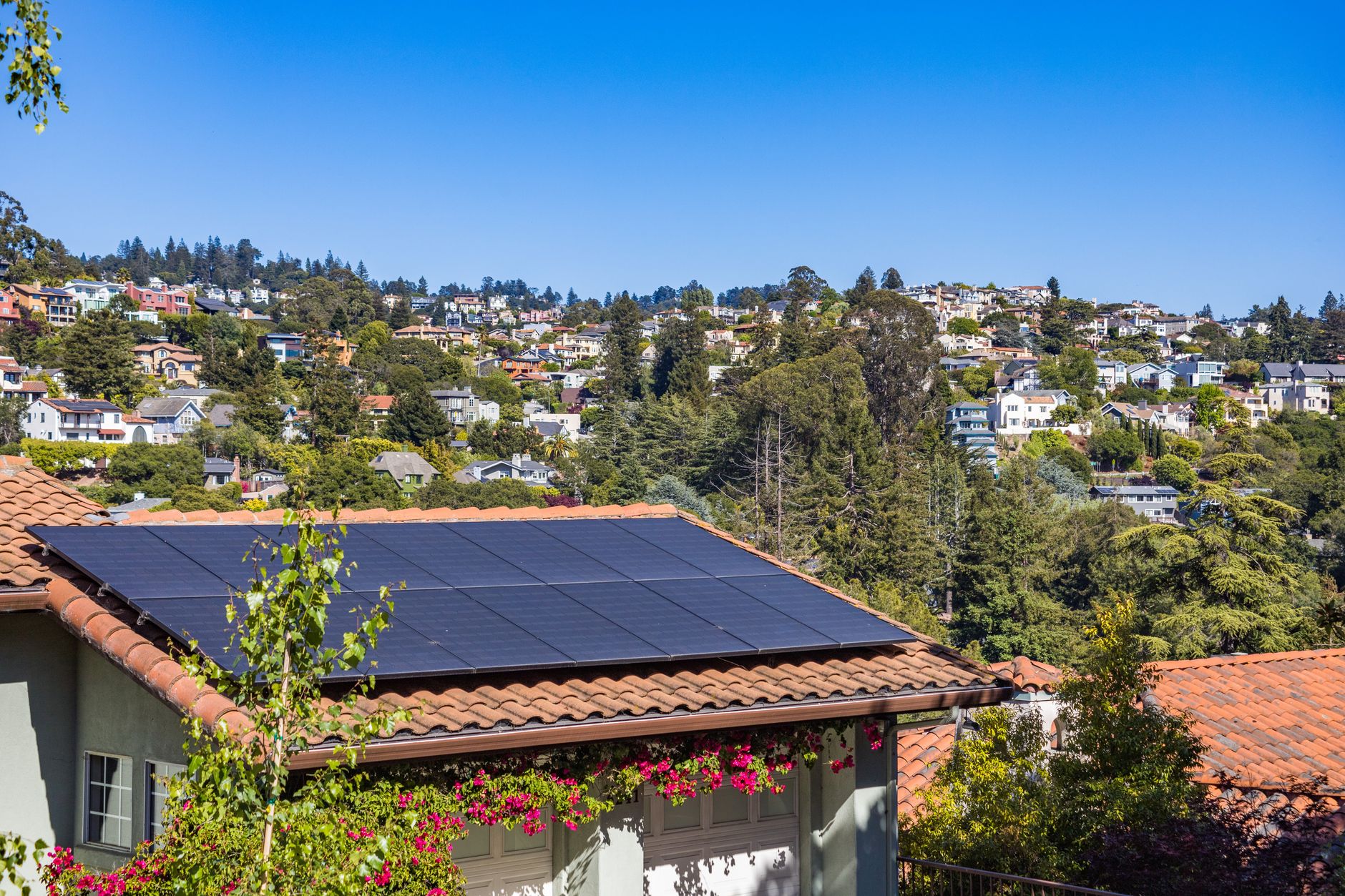
Designing homes that use energy efficiently reduces utility costs and emissions. Many new urban developments feature rooftop solar panels, advanced insulation, and natural ventilation systems. Cycle House, located in Washington, D.C., is regarded as a leading model as it aims to generate all its energy needs on-site. Such developments help reduce dependency on fossil fuels and offer significant savings for residents over time. Additional studies from energy.gov demonstrate how these approaches are critical for future-proofing affordable homes. Aside from solar power, passive house design principles, including optimal window placement, high-performance glazing, and high-efficiency heating and cooling systems, maximize energy conservation. These elements empower families to maintain comfortable living environments with minimal energy usage.
Affordable Housing Initiatives
Cities across America are introducing policy-driven efforts to bolster the availability of affordable, sustainable homes. In Chicago, the recently passed Green Social Housing Ordinance established a Residential Investment Corporation with a dedicated mission of fostering environmentally sound, mixed-income housing communities. This initiative represents a major step in marrying affordability with eco-friendliness and serves as a benchmark for urban policies nationwide. More details can be found in the official announcement by the City of Chicago: Green Social Housing Ordinance Passes.
Programs like this support cost savings for residents while ensuring that sustainability is an integral part of development planning rather than an afterthought. These interventions foster vibrant, inclusive communities where economic constraints do not limit access to green living.
Community Engagement and Policy
Innovative housing solutions must be anchored in strong community engagement and robust public policy. The Transformative Housing Initiative in Cleveland exemplifies such efforts by actively involving residents alongside city leaders, non-profits, and modular home manufacturers. This collaboration aims to deliver affordable, resilient homes tailored to local needs. Modular construction further enhances affordability and allows for greater adaptability in urban settings. Transparency through community review sessions and open dialogue helps ensure that housing developments align with local priorities, making projects more successful and socially sustainable.
Case Studies
Fifth City Commons, Chicago
This remarkable development provides 43 affordable apartments equipped with sustainable amenities. Fifth City Commons derives nearly two-thirds of its electricity from solar panels, which drastically cuts operating costs and environmental impact. The building’s success illustrates how green features can be effectively scaled for affordable housing environments.
Ann Arbor’s Solar Initiative
Ann Arbor is setting new standards by outfitting 150 homes with solar and battery systems. This improvement directly reduces individual energy bills while strengthening the city’s electrical grid’s resilience. The project promotes housing equity and demonstrates how renewable energy can act as an economic equalizer.
Conclusion
Addressing urban housing challenges requires innovative and holistic approaches. By adopting advanced construction techniques, prioritizing energy efficiency, and establishing robust policies that involve community members, cities can provide more affordable, eco-friendly housing for everyone. Case studies and ongoing projects signal exciting progress, suggesting that sustainable housing is not only possible but also scalable in cities nationwide. In addition, collaboration among governments, private developers, and local communities is vital to ensuring long-term success. Investing in sustainable materials, improving public infrastructure, and encouraging inclusive urban planning can further enhance housing quality while reducing environmental impacts. With continued commitment, innovation, and responsible decision-making, cities can create resilient neighborhoods that meet the needs of growing populations while promoting social equity, economic development, and environmental sustainability for future generations.