
The Digital Mirror: How Computer Vision and Generative AI are Transforming Personal Style Exploration
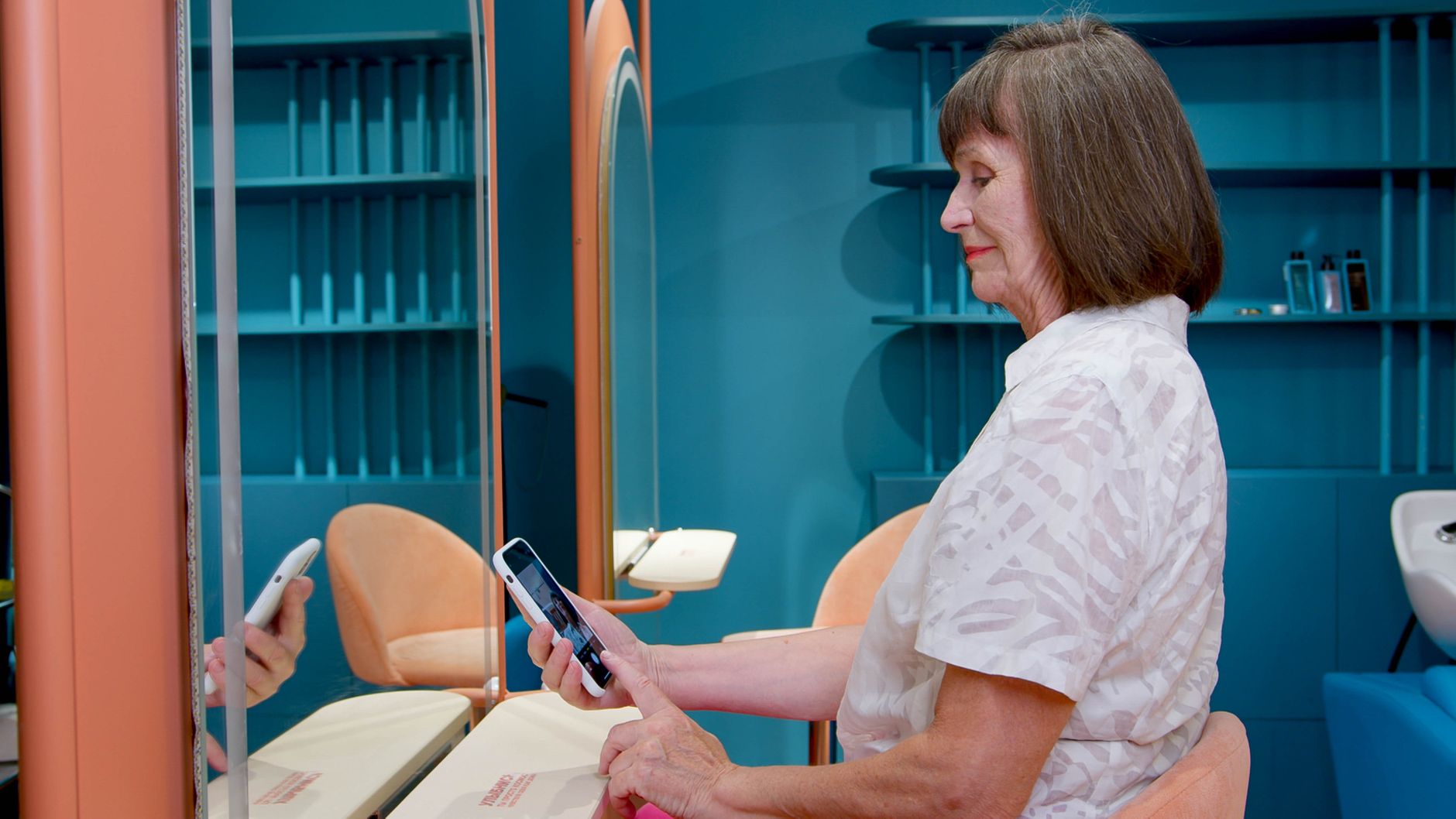
The convergence of artificial intelligence, high-fidelity neural rendering, and browser-based computer vision has fundamentally transformed how consumers interact with beauty and personal style. For decades, making a major structural alteration to one’s appearance—such as transitioning from long, flowing layers to a cropped, geometric haircut—involved a significant leap of faith. The traditional salon consultation relied heavily on static reference imagery, leaving a wide margin of error between a client's expectation and the physical outcome.
Today, advanced multi-modal generative engines and real-time facial mapping have eliminated this friction. By analyzing anatomical proportions, skull geometry, and lighting environments, modern virtual makeover applications allow individuals to explore drastic stylistic changes safely. For those looking to visualize a significant aesthetic shift before committing to a stylist's shears, utilizing an intuitive short hair filter online transforms a potentially nerve-wracking style decision into a precise, mathematically guided preview.
1. The Underlying Engineering of Virtual Style Simulation
The transition from flat, unnatural photo overlays to hyper-realistic virtual style transformations is driven by complex advancements in computer vision and deep learning. Early digital makeover tools merely superimposed a static, 2D graphic over an uploaded portrait, resulting in distorted perspectives and unconvincing edges. Modern AI platforms, however, utilize a highly sophisticated multi-stage pipeline to achieve realistic results:
- Anatomical Face-Shape Detection: Upon uploading a portrait, the core neural network immediately maps dozens of distinct facial landmarks. By analyzing the precise relationships between the hairline, forehead width, cheekbone prominence, and jawline structure, the system identifies the user's specific facial morphology (e.g., oval, round, square, heart, or diamond).
- Semantic Segmentation: Advanced segmentation algorithms isolate the existing hair region from the skin, ears, and background elements. The system distinguishes individual boundary strands, allowing the generative model to manipulate the hair field without altering the underlying environment or facial features.
- Neural Texture Blending: Rather than applying a uniform color block, generative AI adapts to the ambient lighting, shadows, and highlights present in the original photo. This ensures that the simulated hair fibers reflect light naturally, maintaining depth and realistic flow.
2. Overcoming the Psychological Friction of Style Transitions
For many individuals, hair represents a core component of identity and self-expression. The hesitation to experiment with a dramatic shortcut often stems from a psychological phenomenon known as "post-cut regret"—the anxiety that a new look will not complement one’s natural features.
[Image Placement: A side-by-side digital comparison on a smartphone interface, showing a user's original long-haired portrait on the left and a hyper-realistic AI-rendered textured bob preview on the right.]
By leveraging cloud-based rendering engines, users can systematically test diverse variations of short styles—ranging from a classic French bob or layered pixie cut to a textured modern crop—in a matter of seconds. This digital safety net allows consumers to familiarize themselves with their altered facial framing, boosting confidence before scheduling an appointment at a local salon.
3. Structural Analysis: Legacy Filters vs. Modern Generative Subsystems
Understanding the difference between older social media lenses and dedicated, generative styling platforms explains why modern simulations feel incredibly true to life.
|
Technical Attribute |
Legacy Social Media Lenses |
Modern Generative AI Ecosystems |
|
Perspective & Alignment |
Static 2D sticker overlay that distorts heavily if the head tilts or shifts slightly. |
Full 3D spatial mapping that adapts length, volume, and hair flow to your exact facial contours. |
|
Environmental Lighting |
Disregard for ambient light; often appears artificially bright or detached from the original photo. |
Dynamic shadow casting and color-matching that respects the original photo's light source. |
|
Style Flexibility |
Restricted to a small menu of fixed, rigid cartoon-style presets. |
Prompt-driven or multi-variant options ranging from blunt bobs to highly textured pixie cuts. |
|
Output Resolution |
Low-resolution, compressed renders optimized only for quick social media messaging. |
High-definition, clean exports suitable for precise consultations with professional hairstylists. |
4. The Collaborative Future of Digital Salons
The practical application of virtual hairstyle simulation extends far beyond casual personal curiosity; it is quickly becoming a staple of professional beauty consultations. Elite salons and independent stylists are increasingly integrating these web-based tools into their client onboarding processes.
Rather than interpreting vague descriptions like "just a few inches off with some texture," a client can simply present an HD, AI-generated preview of their target look. This crystal-clear visual reference point ensures that both the client and the stylist share an identical creative vision, drastically reducing miscommunications and ensuring a predictable, high-satisfaction result.
Conclusion: Embracing Change with Scientific Certainty
The evolution of digital styling tools represents a major shift toward personalization, accessibility, and risk-free self-expression. Relying on guesswork or outdated print catalogs when changing your signature look introduces unnecessary risk and salon anxiety. By leveraging a high-fidelity short hair filter online, you eliminate the guesswork, protect your personal aesthetic, and secure a realistic roadmap for your next personal style transformation.