
The Hidden Cost of Workplace Waste and What Businesses Can Do About It
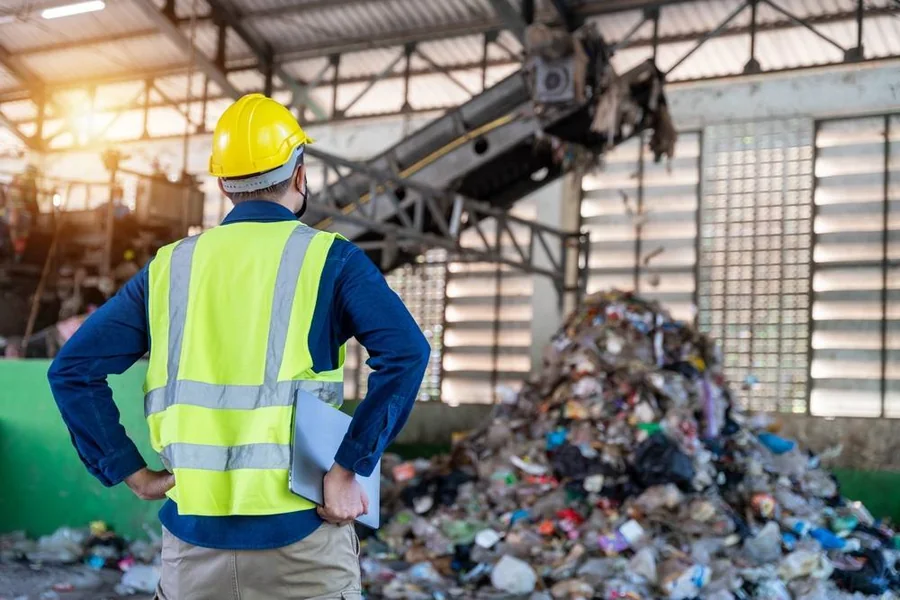
Workplace waste is easy to overlook. A few boxes pile up near a loading area, scrap materials sit around longer than they should, or employees spend a few extra minutes moving trash from one place to another. None of it seems like a major problem on its own.
But those little things add up.
Waste can quietly drain time, money, and energy from a business. It can slow down employees, create safety concerns, and make everyday tasks more complicated than they need to be. And when those problems become part of the normal routine, businesses often stop noticing how much they are actually costing.
The good news is that improving waste management does not always require a major overhaul. In many cases, a few practical changes can make a noticeable difference.
Workplace Waste Costs More Than You Think
Most people think of workplace waste in simple terms. Trash goes into a bin, the bin gets emptied, and the problem is solved.
In reality, the true cost often goes much deeper.
Think about an employee who has to walk across a warehouse several times a day to dispose of scrap material. Each trip may only take a few minutes. Multiply that by several employees, several shifts, and hundreds of working days, and the lost time becomes significant.
The same thing happens when materials are stored poorly, waste containers are placed in inconvenient locations, or employees have to stop what they are doing to clean up clutter.
Have you ever considered how much paid time gets spent simply moving waste from one place to another.
That is where hidden costs begin to show up.
Lost Time Can Become a Bigger Problem
Time is one of the easiest resources to waste because small delays rarely look serious.
An employee spends five minutes searching for the right container. Another worker has to move materials out of the way before starting a task. Someone else stops production to clear debris from a work area.
Those minutes seem harmless, but repeated interruptions can slowly reduce productivity.
Businesses can start by looking closely at everyday routines. Where do employees lose time. Which tasks seem unnecessarily repetitive. Where do materials tend to pile up.
These simple questions can reveal problems that have been hiding in plain sight.
Poor Waste Handling Can Affect Safety
Waste is not only an efficiency issue. It can also become a safety concern.
Loose materials can block walkways. Heavy containers may require awkward lifting. Sharp scrap can create injury risks. Spills and debris can make floors harder to navigate.
A cluttered workplace also makes it more difficult for employees to move quickly and confidently.
That does not mean every workspace needs to look spotless every minute of the day. Industrial and construction environments are naturally busy. The goal is simply to keep waste from interfering with the work itself.
Clear pathways, accessible containers, and simple cleanup routines can go a long way.
Start by Looking at Where Waste Comes From
Before trying to fix waste problems, it helps to understand where they begin.
Every workplace creates different types of waste. A manufacturing facility may deal with scrap metal, damaged components, packaging, and production byproducts. A warehouse may generate cardboard, plastic wrapping, and broken pallets. Construction sites often handle wood, metal, concrete, and general debris.
The key is to look at the process from beginning to end.
Where is waste created. Where does it collect. Who handles it. How often does it need to be moved.
Once businesses understand that flow, it becomes easier to identify unnecessary steps.
Separate Necessary Waste From Preventable Waste
Some waste is unavoidable. Materials get trimmed, packaging gets removed, and certain processes naturally create byproducts.
Other waste can be prevented.
Overordering materials, damaging products during handling, using more packaging than necessary, or storing items incorrectly can all increase costs.
Businesses should look for patterns. If the same materials are constantly being thrown away, there may be a process problem worth investigating.
Small adjustments can sometimes produce surprisingly large savings.
Make Waste Collection Part of the Workflow
Waste handling works best when it fits naturally into the workday.
If employees have to stop production, walk long distances, or repeatedly transfer materials between containers, the process is probably more complicated than it needs to be.
Collection points should be placed close to where waste is created whenever possible. Containers should also match the type and amount of material being handled.
In manufacturing, warehouse, and construction environments, equipment such as self-dumping hoppers can help teams move accumulated scrap or bulk waste through a facility without turning disposal into a separate, time-consuming task.
The goal is not to add more equipment for the sake of it. The goal is to reduce unnecessary handling and make routine tasks easier.
Reduce Repetitive Manual Handling
Repeated lifting, carrying, and moving can take a toll on workers.
Even when individual loads are not especially heavy, performing the same physical task throughout a shift can increase fatigue. Tired employees are also more likely to slow down or make mistakes.
Businesses should review repetitive tasks and ask whether there is a simpler way to handle them.
Carts, bins, containers, and lifting equipment can help reduce unnecessary movement. The right solution depends on the workplace, but the principle stays the same.
Make the job easier where you can.
Improve Sorting and Recycling
Not all waste needs to end up in the same place.
Cardboard, metal, plastic, wood, and other materials may be reusable or recyclable. Separating these materials can reduce disposal costs and make waste easier to manage.
Clear labels help.
Employees should not have to guess which container to use. Simple signs and consistent placement can make sorting part of the normal routine.
Some businesses may even find that certain scrap materials have value. What looks like waste in one part of the operation may be recyclable or reusable somewhere else.
Keep Work Areas Organized During the Day
Waiting until the end of a shift to clean everything can create unnecessary problems.
Waste tends to build up gradually. When it is handled throughout the day, work areas stay easier to use and employees spend less time dealing with large messes later.
Convenient collection points make this much easier.
It also helps to make responsibilities clear. Employees should know what they are expected to clean, where materials should go, and when waste should be removed.
Simple routines are usually more effective than complicated rules.
Track What Waste Is Actually Costing
Businesses often measure labor, production, and inventory closely, but waste does not always get the same attention.
That can be a mistake.
Disposal fees, damaged materials, extra labor, downtime, and missed recycling opportunities all have a financial impact.
Tracking those costs can help businesses understand where improvements matter most.
You do not need a complicated system. Even basic monthly records can show useful trends.
Is waste increasing. Are disposal costs going up. Are certain materials being thrown away more often than expected.
Those numbers can help guide better decisions.
Get Employees Involved
The people doing the work often see problems first.
Employees know which areas become cluttered, which containers fill too quickly, and which tasks feel unnecessarily difficult.
Ask for their input.
A small change suggested by someone on the floor may save more time than a complicated plan created from an office.
It also helps employees feel more involved in improving the workplace.
Small Changes Can Lead to Real Savings
Workplace waste is not always dramatic. That is exactly why it can be expensive.
A few wasted minutes, an inefficient disposal process, or a cluttered work area may not seem important today. Over months and years, though, those small problems can add up to real costs.
Businesses do not need to fix everything at once.
Start with the most obvious trouble spots. Look at where materials collect, how employees move waste, and which steps seem unnecessarily difficult.
Then make practical improvements.
Better organization, easier handling, smarter recycling, and clearer routines can help reduce costs while creating a safer and more efficient workplace.
And that is really the point. Waste should not control the workflow. The workflow should control the waste.