
Why Preschool Games Matter for School Readiness
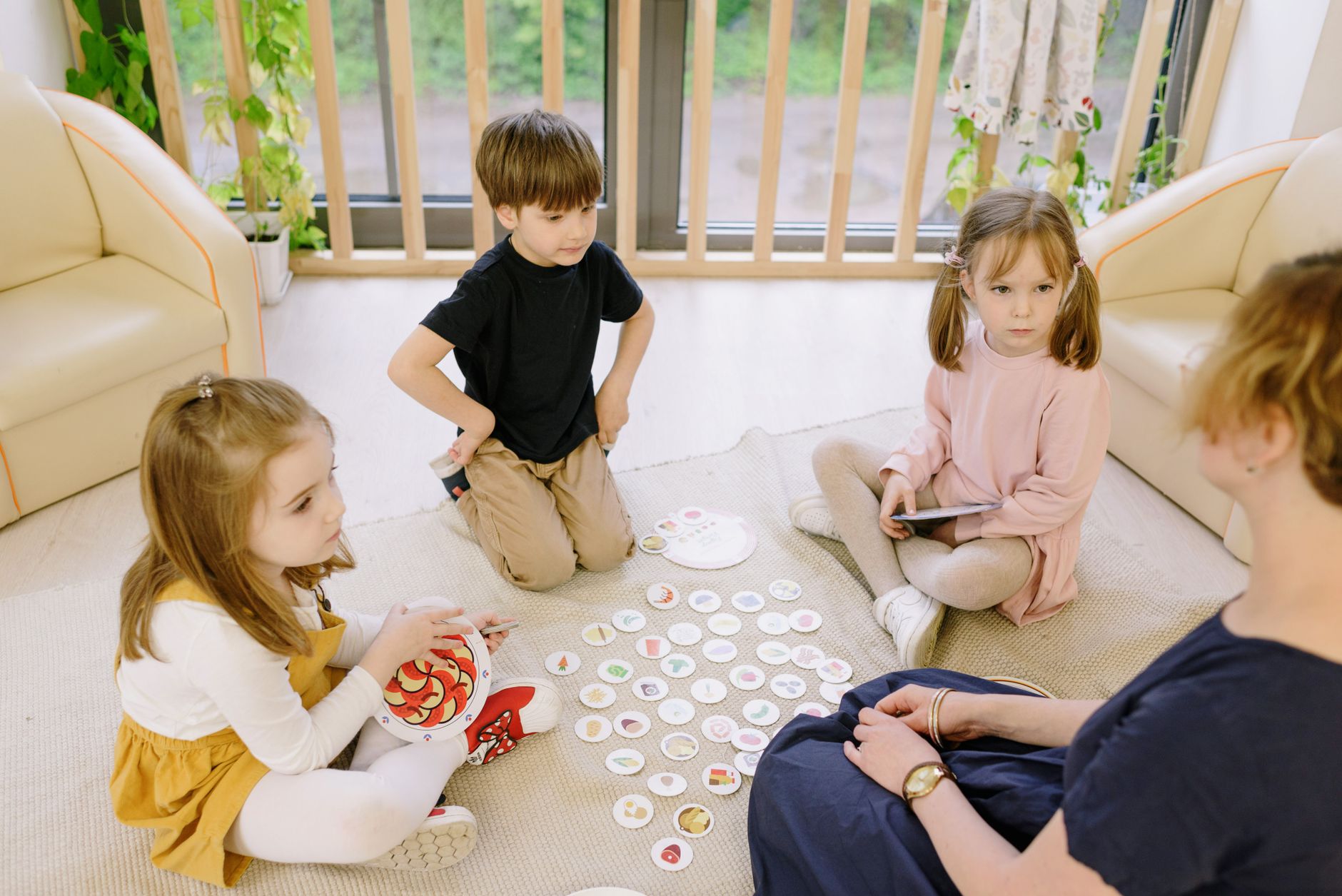
The phrase “school readiness” has a way of making parents feel like they should be doing more, like maybe a flashcard regimen, a structured worksheet routine, or at least an educational trip to a museum that their child will primarily remember for the gift shop. Here is the reassuring truth: most of what gets a preschooler ready for school does not look anything like school. It looks like play, which is where preschool games come in.
What “School Readiness” Actually Means
School readiness is not about whether your child can write their name or recite the alphabet on command, although both are nice. It is about whether they can sit with a task long enough to finish it, manage frustration when something is tricky, follow a sequence of steps, and communicate what they need. These are the skills teachers are actually looking for on the first day of kindergarten, and they develop slowly, through repeated practice, ideally the kind that does not feel like practice at all.
Why Play Gets the Job Done
Young children do not absorb information passively. They learn by doing, by trying things, making mistakes, trying again, and occasionally getting so absorbed in something that they forget to complain about being hungry (or bored!). Play is the format that creates this kind of engagement most reliably, because there is always something to do next and always a reason to keep going.
Games that are genuinely well designed do something worksheets simply cannot: they repeat the same skill across many rounds while your child is focused on something completely different, like helping a character, solving a mystery, or figuring out where a puzzle piece goes. The learning slides in quietly while your little one is busy having a good time.
Building Language Skills Before Day One
Language is one of the biggest predictors of how smoothly a child transitions to school. Kids who arrive with a solid vocabulary, some awareness of letter sounds, and the ability to follow verbal instructions have a meaningful head start. The challenge is that drilling phonics at a kitchen table is, for most four-year-olds, the approximate fun equivalent of watching paint dry.
Our language corner, Lingo Land, takes a different approach entirely. It starts with the absolute basics, identifying letters and their sounds, short vowels, and simple sight words. Only then does it build toward syllables, parts of speech, and, eventually, sentences. The whole journey is structured as an adventure, so your child moves through language concepts the way they would move through the levels of a game they actually want to play. By the time they are sorting rhyming words or spotting capital letters, they are doing it because the game has them completely engaged, not because anyone told them to.
Problem-Solving Skills That Show Up on Day One
Kindergarten teachers will tell you that one of the most useful (and underrated, we might add) skills a child can arrive knowing is how to try again after something goes wrong. That habit does not come from being told to persevere. It comes from practicing perseverance in low-stakes situations, where getting it wrong is just part of the game.
Preschool games that involve puzzles are particularly good at building this. For instance, our puzzle game, Buzzle, has 90+ interactive puzzles across eight different themes, including some that bring classic nursery rhymes to life. Your kiddo could be matching pieces to reveal Humpty Dumpty on a wall or learning the names of all the continents. Each puzzle requires them to look carefully, try, adjust, and try again, which is exactly the kind of patient, sequential thinking that kindergarten will ask for daily.
Small Wins Build Big Confidence
Something happens when a preschooler finishes a puzzle, completes a level, or gets a word right after two tries: they feel like they “can”. That feeling is not small. A child who arrives at school believing they can figure things out is in a fundamentally different position than one who has learned to wait for help before even starting.
Good preschool games are designed to make this happen regularly, with just enough challenge to feel meaningful and just enough support to feel achievable. That balance is harder to strike than it sounds, and it is exactly what separates an activity that builds confidence from one that quietly convinces your child that things are too hard.
The Bottom Line
School readiness builds in living rooms and on tablets, during car rides and snack times, one small challenge at a time. Preschool games that are fun enough to play without force and rich enough to build real skills are some of the most practical tools a parent can have access to. Oh, and they require significantly less effort than planning a museum trip, which is a win for everyone, no?