
Can a Generator Power Your Whole House?

When the power goes out unexpectedly, having a backup source can prevent loss and maintain comfort. A generator can offer the perfect solution to power your entire house during outages. But can it really power your whole house, and what does that entail? This guide will explore the feasibility, considerations, and options for using a generator to supply power to every part of your home. We’ll delve into understanding generator basics, choosing the right size, installation costs, and alternatives, ensuring you’re equipped with comprehensive knowledge to achieve reliable backup power whenever necessary.
Understanding Whole-House Generator Power Basics
What “Powering a Whole House” Really Means
“Powering a whole house” means supplying electricity to all essential systems and appliances through a generator. It involves delivering adequate power to life-supporting features like the heating system, refrigerator, water heater, and lights, while optionally powering other devices such as electronics, air conditioning, and washer/dryer units. To ensure that your generator can truly support your entire house, it’s important to evaluate both the fundamental needs during a blackout and any extra conveniences you’d prefer to sustain. These considerations will help determine the generator’s capacity, ensuring it meets everyone’s needs without interruption, keeping comfort uninterrupted even during a power failure.
Essential Loads vs Total Household Loads
When considering a generator, distinguishing between essential loads and total household loads is crucial. Essential loads include vital components like lighting, heating, cooling, and appliances necessary for survival during an outage. They are the bare minimum that keeps the home operational. Total household loads include everything else, from all electrical appliances to entertainment devices. Comparing these loads helps in deciding whether to power only essentials or the entire house. Since generators are rated by the amount of wattage they produce, understanding your load needs is key to sizing your generator correctly and avoiding overloading during use.
How Long a Generator Can Run a Home
The duration a generator can power a home depends on several factors, including fuel type, tank capacity, and load requirements. Most generators can run continuously for 8–10 hours at 50% load before requiring a refill. Standby generators connected to the home’s fuel supply often run longer, assuming unlimited fuel access. For portable options, you must manually refill, which can be frequent depending on usage. It’s essential to consider how long outages typically last in your area and ensure that your generator solution matches the anticipated outage duration, ensuring comfort and functionality without frequent interventions.
Choosing the Right Generator Size for Your Home
Calculating Wattage for an Entire House
Calculating wattage is primarily about totaling the wattages of essential devices. Start by listing each appliance’s wattage requirement and summing these figures. Don’t forget to account for peak power needs where appliances use more power. Understanding this will allow you to estimate the minimum generator size needed. Using online calculators or consulting with professionals can help get accurate estimates and avoid miscalculations. Bigger generators might provide flexibility for additional non-essential loads, but it’s about balancing initial costs with ongoing utility, ensuring you’re prepared without unnecessary expenditure.
Generator Types and Their Home Power Capacity
Generators vary in type and power capacity, offering different solutions for home use. Standby generators offer continuous power during outages when connected to existing fuel lines. Portable generators offer flexibility and can be moved and plugged into various outlets, ideal for smaller loads. Inverter generators deliver clean power for sensitive electronics and adjustable load control. Each generator type caters to different household needs and contexts. Knowing the differences helps in selecting the type that assures reliability and satisfaction without exceeding budget constraints.
Real-World Generator Size Examples for Homes
Real-world examples provide practical insight into choosing a generator. A typical U.S. home might require a generator between 5,000–7,000 watts for essentials. For full operation, including conveniences like air conditioning, a 12,000-watt unit might be necessary. Larger homes with extensive loads might need upwards of 20,000 watts. Understanding these examples helps visualize the scope of the system and guides the choice based on home specifics and household demands. Consulting with professionals can provide a tailored approach, aligning size with precise needs ensuring effectiveness and efficiency.
Installation, Costs, and Smart Backup Options
Transfer Switches and Safe Home Connections
Transfer switches are crucial for safe generator operation. These switches ensure no back-feeding, which could harm power lines and utility workers. A manual transfer switch connects the generator to essential circuits, providing simple integration for non-technical users. Automatic transfer switches provide seamless, uninterrupted power switching during outages, ideal for preventing downtime. Installation costs depend on house size, switch type, and labor, adding to initial expenses for safety assurance. Knowing this can help budget appropriately, deciding between manual or automated systems based on the home and family’s needs.
Fuel Types, Costs, and Maintenance Needs
Generator fuel types include propane, natural gas, diesel, and gasoline, each with implications for cost and maintenance. Natural gas and propane have consistent supply and longer shelf life, though initial setup costs can be high. Diesel offers durability and efficiency but requires regular maintenance. Gasoline is common but challenging due to limited longevity and higher volatility. Reflect on these aspects for economic sustainability and operational reliability, ensuring chosen solutions provide lasting results, predicting costs confidently and maintaining efficiency.
Portable Generators vs Solar Power Stations
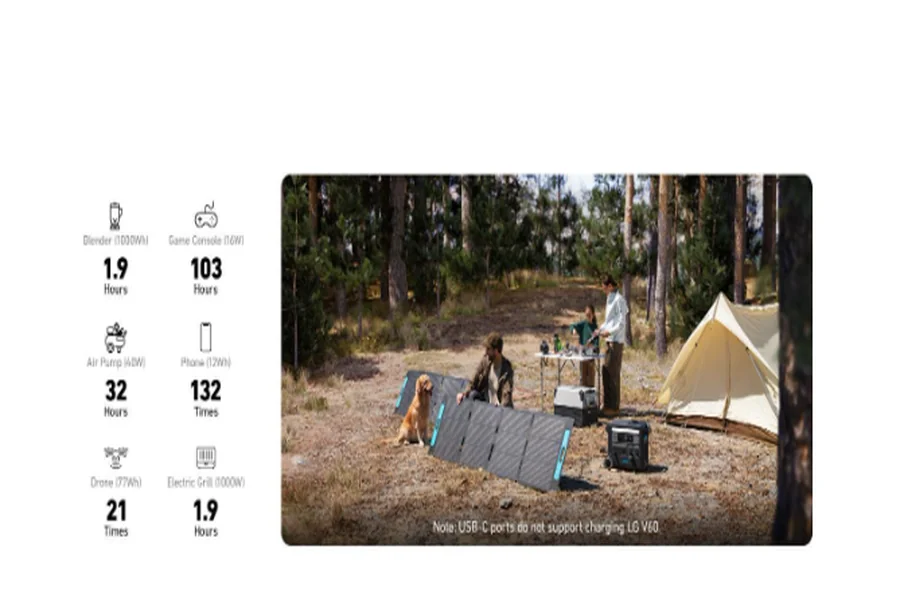
Portable generators offer flexibility, mobility, and upfront affordability. Solar power stations offer renewable energy independence but come with higher initial costs and depend on weather conditions. Evaluate home location, environmental impact, and long-term financial stability to choose between options. Portable systems offer simplicity and adaptability but have higher operating costs. Solar provides eco-friendly solutions and potential savings but demands initial investments. This comparison guides setup choices, ensuring they align with budget constraints and desired reliance, empowering smart decisions toward sustainable home energy solutions.
Conclusion
Generators can indeed power entire homes with proper planning and decision-making. Understanding how to determine generator size for home use is a critical first step, as it involves determining load capacities, selecting suitable generator types, and understanding installation implications. Comparing alternatives and accurately sizing a system ensures optimal setups for guaranteeing seamless power even during disruptive outages. While generators can furnish power for essentials, integrating whole-home setups provides an invaluable sense of security and continuity. Consider consulting professionals for tailored advice and guidance on how to determine generator size for home needs, ensuring selections meet expectations without excess costs or management complexities. Armed with comprehensive knowledge, leverage this guide for informed actions and dependable preparations for everyday readiness.