
Actors Who Played Real-Life Characters
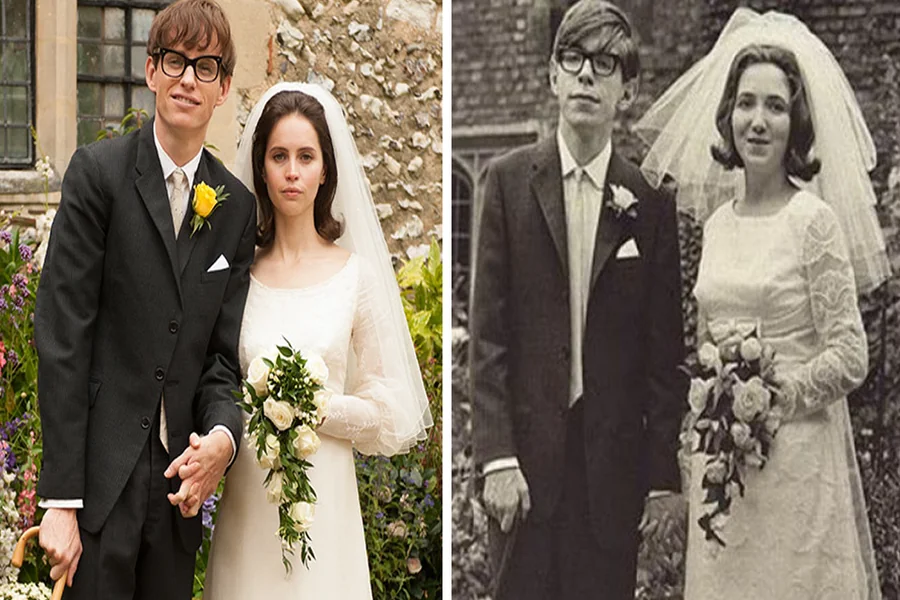
Portraying real-life figures on screen is one of the most challenging and rewarding tasks for an actor. It requires not only technical skill but also empathy and research to capture the essence of a person whose life has already been lived and documented. From historical leaders to modern-day icons, actors who step into the shoes of real-life characters bring history, culture, and personal stories to life for audiences worldwide. These performances often leave lasting impressions, earning critical acclaim and connecting deeply with viewers.
Transforming Into Historical Icons
Some of the most memorable performances come from actors who portray historical figures. These roles often demand meticulous research and a dedication to authenticity that goes beyond acting.
Daniel Day-Lewis’s performance as Abraham Lincoln in Lincoln (2012) is a prime example. Day-Lewis immersed himself in the life, speech patterns, and mannerisms of the 16th President of the United States. His portrayal earned him an Academy Award and set a benchmark for biographical acting. Similarly, actors playing figures like Winston Churchill, Mahatma Gandhi, or Queen Elizabeth II face the daunting task of representing personalities who are deeply ingrained in public consciousness.
Research is often a key component of these portrayals, and audiences are naturally curious about how actors approach these complex roles. For those interested in learning more about the business side of film and how portraying real-life figures impacts an actor’s career, ceocolumn offers insightful articles on entertainment strategies and industry dynamics.
Biographical Dramas That Captivated Audiences
Biographical films, or biopics, allow actors to explore the intricacies of real-life characters while engaging audiences in compelling storytelling.
For instance, Jamie Foxx’s role as Ray Charles in Ray (2004) brought the legendary musician’s story to life. Foxx didn’t just mimic Charles’ music; he studied his personality, struggles, and unique mannerisms to deliver a performance that was authentic and deeply moving. Similarly, Natalie Portman portrayed Jacqueline Kennedy in Jackie (2016), capturing both the grace and vulnerability of the former First Lady during one of the most challenging periods of her life.
These films succeed because actors embrace both the external and internal dimensions of the real-life figures they portray. Beyond awards and critical acclaim, they inspire audiences to learn more about these individuals, their achievements, and their challenges.
Actors Who Took On Contemporary Figures
Playing living or recently deceased public figures can be even more complex. Actors face the challenge of meeting audience expectations while respecting the privacy and dignity of the person being portrayed.
Gary Oldman’s transformation into Winston Churchill in Darkest Hour (2017) is one of the most celebrated contemporary performances. Oldman’s meticulous study of Churchill’s voice, gestures, and demeanor resulted in an unforgettable portrayal that felt both accurate and human. Similarly, Charlize Theron’s role as serial killer Aileen Wuornos in Monster (2003) demanded extreme physical and emotional commitment, showcasing the depth actors can achieve when exploring real-life characters.
These performances are not just exercises in mimicry—they are complex studies of personality, circumstance, and human emotion. They remind audiences that behind the public persona, every figure has a story worth understanding.
Musical Legends Brought to Life
Portraying famous musicians adds an extra layer of difficulty because actors must balance the technical aspects of performance with the emotional depth of the individual’s life story.
Rami Malek’s portrayal of Freddie Mercury in Bohemian Rhapsody (2018) is a standout example. Malek studied Mercury’s stage presence, speech patterns, and personal struggles to deliver a performance that resonated with fans and newcomers alike. Similarly, Joaquin Phoenix’s portrayal of Johnny Cash in Walk the Line (2005) required him to learn to sing and play guitar in Cash’s distinctive style, immersing himself fully in the legendary musician’s world.
Such performances highlight how actors bring musical icons to life, often sparking renewed interest in their music and lives. These portrayals combine artistry, dedication, and empathy, making the real-life stories behind the music accessible to a wider audience.
Sports Figures on the Big Screen
Biographical portrayals of athletes are another area where actors face unique challenges. Beyond capturing personality, actors must convincingly replicate the physicality and competitive intensity of these real-life figures.
Will Smith’s portrayal of Richard Williams, father of tennis legends Venus and Serena Williams, in King Richard (2021) received widespread acclaim. Smith not only captured Williams’ determination and strategic mind but also embodied the physicality and energy required to depict the rigorous world of professional sports. Similarly, Chadwick Boseman’s performance as Jackie Robinson in 42 (2013) highlighted both the athleticism and the emotional resilience of the baseball icon, portraying the challenges Robinson faced breaking racial barriers in Major League Baseball.
Sports biopics often inspire audiences by highlighting perseverance, discipline, and courage, reminding viewers of the human stories behind legendary achievements.
Actors in Political and Social Biographies
Some of the most impactful portrayals involve political or social figures whose lives influenced society on a larger scale. Actors in these roles carry the responsibility of representing both the person and the historical significance of their actions.
Viola Davis’s portrayal of real-life activist and teacher in The Help (2011) explored themes of racial injustice, courage, and social change. Similarly, Meryl Streep’s performance as Margaret Thatcher in The Iron Lady (2011) required her to convey the complexity of the first female British Prime Minister, balancing strength, vulnerability, and controversy.
These roles often spark discussions and debates, showing that acting can contribute to public understanding of history, politics, and culture. When done well, they educate as much as they entertain.
Final Thought
Actors who play real-life characters provide more than just performances—they offer windows into human experience, history, and culture. From musicians and athletes to political leaders and historical icons, these actors transform stories into vivid, relatable experiences that resonate with audiences. Their dedication to authenticity, research, and empathy ensures that the legacies of the individuals they portray continue to inspire, educate, and entertain.
Whether it’s Daniel Day-Lewis embodying Abraham Lincoln, Rami Malek channeling Freddie Mercury, or Viola Davis portraying social activists, these performances remind us of the power of storytelling. They show that film and television can capture the essence of real-life figures, connecting viewers with history and humanity in ways that are both engaging and profound.
For those interested in exploring more about how actors, filmmakers, and the entertainment industry bring real stories to life, ceocolumn offers comprehensive insights into media strategies, career development, and the impact of storytelling on culture and business.