
How to Create QR Codes for Business Cards Easily
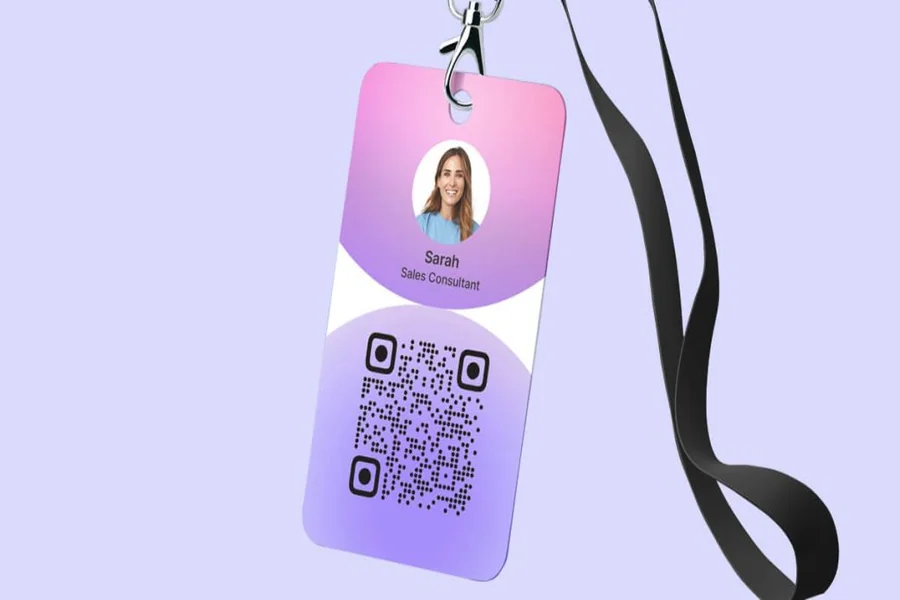
Learning How to Create QR Codes on Business Cards is a skill that is becoming a necessity in business networking nowadays. Conventional business cards can still work, but the inclusion of a QR code will put them on another level. People can scan a code and have all your details automatically, instead of typing in the contact details.
This little touch will enhance your card as more interactive, professional, and memorable. It also enables you to be distinguished in a competitive world where the first impression is significant. As a freelancer, entrepreneur, or a corporate professional, using QR codes on your business card can enhance your approach to connecting with people.
It is very easy and by following the correct method, you can produce a QR code that will be attractive and will be functional Bloggers prefer Uitly for simplicity.
The reason behind using QR Codes on Business Cards
QR codes enhance the convenience of traditional business cards. They do not need to use a printed text only; they provide instant access to online information.
Speed is one of the significant advantages. A fast scan can store your contact information in a phone and this saves time on typing in wrong information.
They are also more spacious. A tiny QR code can connect to more information like your site, portfolio or even social media accounts.
Professionalism is another benefit. An effective QR code demonstrates that you are technologically advanced and contemporary.
The QR codes also facilitate the update of information. With a dynamic QR code, you can update the content associated with it without having to reprint your cards.
These advantages ensure that QR codes are an intelligent addition to any business card.
What Must Your QR Code include
When developing a QR code, one should determine what information the code should have. Contact details, commonly as a digital business card, is the most usual choice.
This may contain your name, phone number, email address and company details. Users can store this information مباشرة to their device when scanned.
You may also attach your site or portfolio. This can be particularly handy when it comes to professionals that wish to present their work.
Another trendy alternative is social media profiles. Users can be linked to your online presence via a single QR code.
There are individuals who scan the QR codes and are redirected to booking or product listing pages.
The selection of the appropriate content is based on what you want people to do after scanning and what you want them to do.
How to make QR Codes step-by-step
It is easy to make a QR code on your business card. To start with, select a QR code generator which fits your purpose.
Then, type the information or link that you desire. This may be your contact information, web site or any other resource.
Create the QR using the tool. The majority of platforms will do it on the fly.
Tailor the design (where necessary). You have an option to customize colors, insert a logo or alter the design to suit your brand.
Download the QR code in high-resolution to print in good quality.
To ensure that the QR code is functioning properly, scan the code using your phone.
Lastly, place the QR code in your business card design where it can be seen.
These steps will make your QR code both practical and professional.
Business Card QR Code Design Advice
Design has a great significance in determining the effectiveness of your QR code. Begin with simplicity in the design. Avoid cluttering your card with too many elements.
Ensure that the QR code is big enough to scan. A code that is extremely small might not work.
Make the color contrast high in order to enhance readability. Dark colors on light backgrounds tend to be most effective.
It is a good idea to include a logo in the middle of the QR code. This enhances branding and makes your card more visually appealing.
Position the QR code in such a way that it is visible but not too obtrusive to the rest of the design.
Add a brief tutorial, like a scan to save contact, to direct users.
These tricks can be used to develop a balanced and efficient design.
Top 10 Do Nots
The effectiveness of QR codes on business cards can be diminished by some of these common mistakes. Among the errors is the use of poor quality pictures. This may render the code hard to read.
Bad placement is another problem. When the QR code is concealed or overly near the edge, the user can find it difficult to scan the QR code.
Problems can also arise due to overdesigning the code. Too many colors or complex patterns may interfere with functionality.
Another pitfall is not to test the QR code. Make sure that it is functional before printing your cards.
It can also be restrictive to use static QR codes to change information frequently. Take into account dynamic codes to be more flexible.
Some of these mistakes can be avoided to make the user experience better.
Networking and Branding advantages
QR codes are able to enhance networking to a considerable degree. They simplify the process of saving your contact details by the people who are contacting you.
They also enhance branding. Tailor-made QR code containing your logo and colors will support your identity.
QR codes will be able to make the experience more engaging as they will make people want to use your digital materials.
They are flexible and will enable you to share more information than a traditional card can carry.
They also produce a contemporary look, making it appear that you are abreast with the latest technology.
These advantages render QR codes a useful tool to professionals.
Future of QR Codes in Business Cards
QR codes on business cards are likely to be used more as the digital networking is becoming the norm. The new technologies will make them even more helpful and increase their possibilities.
Personalization can enable QR codes to offer personalized experiences depending on user preferences.
Information sharing can be made even easier with the integration with digital wallets and contact management apps.
Improved design tools will allow more creative and branded QR codes without affecting performance.
These trends are evolving, and QR codes will become a common aspect of professional networking.
Final Thought
A QR code on your business card is an easy but effective method of enhancing your information sharing process. It is a mixture of the dependability of conventional cards and the ease of digital technology.
With the proper selection of content, best practices and design, you can have a business card that will really be noticeable and provide actual value.
In a world where networking counts, then simplifying the process of getting in touch with you can do wonders. QR codes are going to assist you in doing just that in a way that is modern and efficient.
FAQs
What should I link in a business card QR code?
You can link contact details, a website, portfolio, or social media profiles depending on your needs.
Can I update my QR code after printing?
Yes, if you use a dynamic QR code, you can update the linked content without reprinting the card.
What size should a QR code be on a business card?
The QR code should be large enough to scan easily, usually at least 2 x 2 cm.
Do QR codes work on all smartphones?
Yes, most modern smartphones can scan QR codes using their built-in camera.
Is it free to create a QR code for business cards?
Yes, many tools offer free QR code generation, though advanced features may require payment.