
Harlem Coffee Crawl: Protecting Your Enamel on Lenox Ave
Harlem is a neighborhood defined by its sensory richness, from the soulful melodies of jazz clubs to the aromatic allure of its thriving cafe culture. Along Lenox Avenue, the artisanal coffee and tea scene has become a cornerstone of daily life, serving as a hub for commuters, creative professionals, and lifelong residents alike. However, the very characteristics that make these high-end brews so appealing—their deep pigments, complex tannins, and natural acidity—can pose a significant challenge to dental aesthetics and structural health. For those who prioritize both their caffeine rituals and a bright, healthy smile, finding a skilled cosmetic dentist in Ballwin MO is a positive way to ensure that any long-term staining is addressed with the latest professional whitening and restorative techniques. In 2026, the goal for any urbanite is to master the art of the “Coffee Crawl” without sacrificing the integrity of their enamel. By understanding the chemical interactions between specialty beverages and tooth structure, and by implementing strategic “rinse and wait” techniques, you can enjoy the best of Lenox Avenue while maintaining a radiant smile.
The Chemistry of the Cup: Tannins and Chromogens
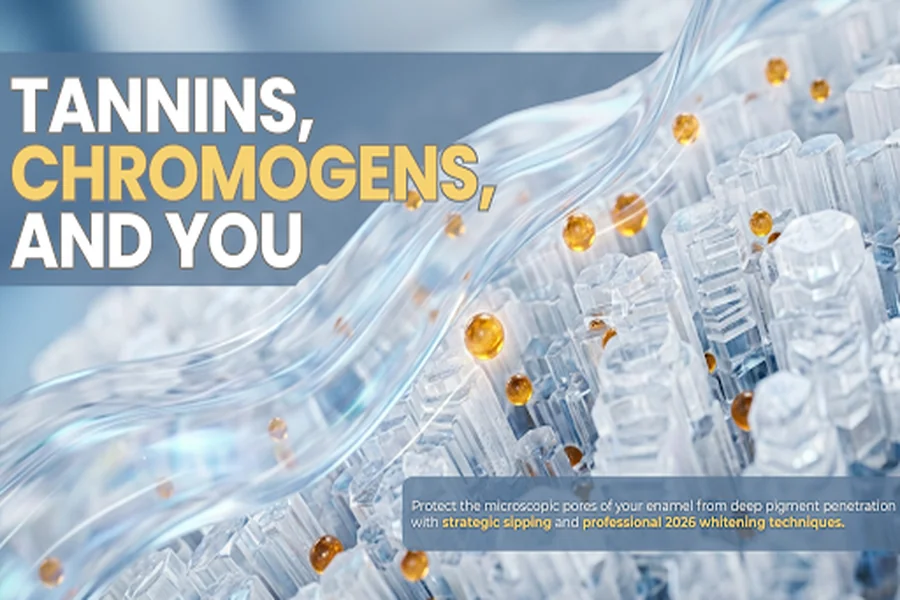
To protect your teeth, you must first understand the “opponents” found in your favorite artisanal cup. Coffee and tea are rich in two specific types of compounds: tannins and chromogens. Chromogens are highly pigmented molecules that possess a natural affinity for tooth enamel. While enamel is the hardest substance in the human body, its surface is microscopic and porous. Chromogens settle into these pores, leading to the gradual yellowing or browning associated with heavy coffee consumption.
Tannins, which are organic substances found in plants, act as a “catalyst” for staining. They increase the ability of chromogens to stick to the enamel surface. Specialty teas, particularly black and green varieties found in Harlem’s teahouses, are often higher in tannins than standard coffee. This is why a heavy tea drinker might notice more stubborn, dark stains than someone who sticks to lattes. Understanding this chemistry allows you to be more proactive about your “after-sip” routine.
The Acidity Factor: Enamel Erosion and Vulnerability
Beyond the visible staining, acidity is the silent threat to your oral health. Artisanal coffee, especially light roasts that emphasize fruity and floral notes, can be surprisingly acidic. When the pH level in your mouth drops below 5.5, the enamel begins to undergo a process called demineralization. This softens the outer layer of the tooth, making it more susceptible to wear and deeper pigment penetration.
In 2026, dental science has highlighted the “Acid Window”—the period immediately following the consumption of an acidic beverage. During this time, your enamel is at its most vulnerable state. If you brush your teeth immediately after finishing a cup of acidic coffee, you are essentially scrubbing the softened enamel away. This leads to “thinning” enamel, which not only makes teeth more sensitive but also allows the yellowish dentin underneath to show through, further dulling the appearance of your smile.
The “Rinse and Wait” Technique: A Commuter’s Guide
For the Harlem resident moving between cafes like NBHD Coffee or Matto, the “rinse and wait” technique is the most effective defensive strategy. The “rinse” part of the equation involves taking a sip of plain, room-temperature water immediately after finishing your coffee or tea. This simple act helps to neutralize the pH level in your mouth and physically washes away the loose chromogens and tannins before they have a chance to settle into the enamel pores.
The “wait” part is even more critical. You should wait at least 30 to 60 minutes after your last sip of coffee before brushing your teeth. This time allows your saliva to perform its natural function of reminerlization. Saliva is rich in calcium and phosphate, which help to “re-harden” the enamel that was softened by the acidity. By waiting for this natural biological process to conclude, you ensure that your oral hygiene routine protects your teeth rather than inadvertently damaging them.
Strategic Sipping: Temperature and Additives
The temperature of your beverage and the way you consume it also play a role in enamel protection. Very hot beverages can cause microscopic cracks (crazing) in the enamel due to thermal expansion and contraction. These tiny cracks provide even more hiding places for stains to develop. Opting for “tempered” or iced beverages can slightly mitigate this risk.
Furthermore, what you add to your coffee matters. While black coffee is the most staining, the addition of dairy or calcium-rich plant milks (like fortified oat or almond milk) can actually help. The proteins in milk (casein) can bind to the tannins in tea and coffee, preventing them from sticking to your teeth as effectively. However, it is important to avoid excessive sugar or syrupy additives, as these provide fuel for plaque-producing bacteria, which create their own acidic byproducts that further erode enamel.
The Role of Professional Cosmetic Interventions
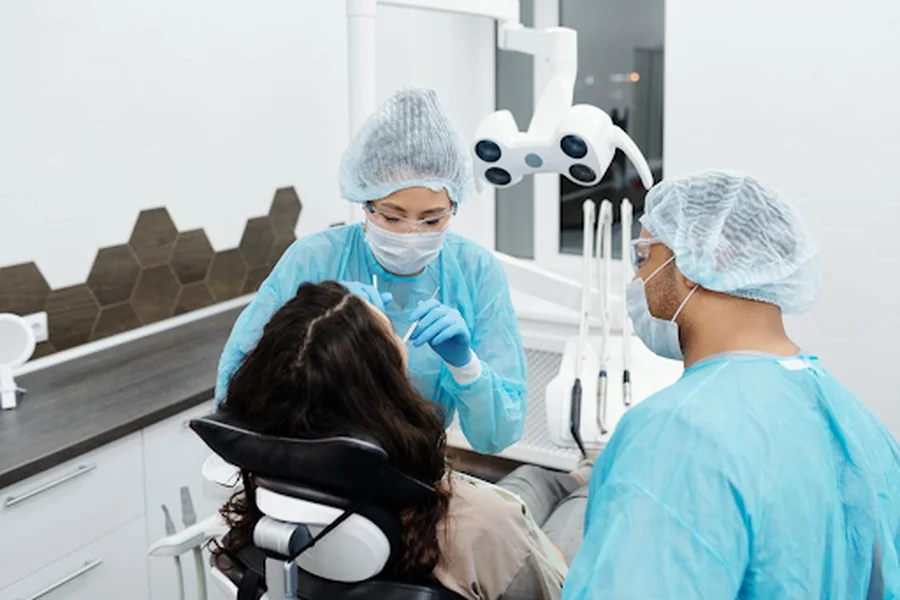
Even with the best “rinse and wait” habits, years of enjoying Harlem’s coffee culture can eventually take a toll. Over-the-counter whitening strips often lack the potency to reach deep-seated chromogens and can cause significant sensitivity if used incorrectly. This is where professional cosmetic dentistry becomes essential.
In 2026, professional whitening treatments use advanced light-activated gels and desensitizing agents that provide dramatic results in a single visit. For those with deeper staining or enamel thinning that whitening cannot fix, porcelain veneers or dental bonding offer a way to “reset” the smile. These restorations are non-porous and highly resistant to staining, making them an excellent choice for the dedicated coffee connoisseur who wants a permanent solution to discoloration.
Harlem’s Cafe Culture as a Social Anchor
We cannot discuss protecting the smile without acknowledging why we visit these cafes in the first place. The cafes along Lenox Avenue are more than just places to get a caffeine fix; they are social anchors. They are where neighbors discuss community issues, where students study for exams, and where professionals network. The “smile” is a vital tool in these social interactions.
A bright, healthy smile projects confidence and openness. When an individual is self-conscious about yellowing or stained teeth, they may subconsciously suppress their smile or cover their mouth while laughing, which can hinder social connection. By mastering the protective techniques of the 2026 dental landscape, residents can participate fully in Harlem’s social life without the looming anxiety of “coffee teeth.”
Maintaining the “Biofilm” Balance
Your mouth is a complex ecosystem, and the “biofilm” or plaque that lives on your teeth acts as a sticky trap for coffee stains. If you have a high buildup of plaque, the coffee pigments will stick to the plaque rather than the tooth itself. However, because plaque is porous, it holds those stains against the tooth surface for longer periods.
Regular professional cleanings are the only way to remove “tartar” (calcified plaque) that has already absorbed coffee pigments. A dental hygienist can use ultrasonic scalers and polishing pastes to remove the external “extrinsic” stains that a regular toothbrush cannot touch. For Harlem commuters, scheduling these cleanings twice a year is the best way to ensure that their daily caffeine habit doesn’t turn into a permanent aesthetic problem.
The 2026 Trend: pH-Balanced Oral Care
A major trend in 2026 is the rise of pH-balanced oral care products. Many residents are now using alkaline mouthwashes or toothpastes specifically designed to counteract the acidity of coffee and tea. These products help to rapidly restore the mouth to a neutral pH, shortening the “Acid Window” and speeding up the reminerlization process.
Additionally, some specialty coffee shops in metropolitan areas have begun offering “palate cleansers” or alkaline water alongside their espresso shots. This awareness of the intersection between culinary enjoyment and oral health is a hallmark of the modern urban experience. Being a “smart” consumer means enjoying the craft of the barista while utilizing the science of the dentist.
Conclusion: Savoring the Brew, Saving the Smile
Harlem’s coffee scene is an essential part of the neighborhood’s identity, offering a rich tapestry of flavors and experiences. Protecting your enamel on Lenox Ave doesn’t mean giving up your favorite artisanal brew; it means being a mindful participant in the ritual. By understanding the chemical impact of tannins, chromogens, and acidity, and by adopting the “rinse and wait” technique, you can effectively manage the risks of staining and erosion.
Your smile is your most important social asset, and it deserves the same level of care and attention that you give to selecting your favorite single-origin bean. In 2026, the balance between lifestyle and health is maintained through education and the strategic use of professional cosmetic dentistry. So, the next time you find yourself on Lenox Avenue, go ahead and order that second cup—just remember to follow it with a rinse, a wait, and a confident, healthy smile. The beauty of modern dentistry is that it allows us to enjoy the things we love while providing the tools to mitigate the consequences. Savor the brew, protect the enamel, and keep the spirit of Harlem shining through your smile.