
5 Factors That Decide How Much You Pay for Moving Services

San Ramon, California, is a suburban city in Contra Costa County known for its planned residential neighborhoods, modern housing communities, and convenient access to the greater Bay Area. With a mix of apartments, townhomes, and large family homes, moving needs in this area can vary widely depending on property size and location. This variation plays a key role in how moving services are priced and planned.
The five main factors that decide how much you pay for moving services are the size of your shipment, the distance of the move, the amount of labor required, access conditions like stairs or narrow entries, and seasonal demand. Larger homes and heavier loads usually cost more due to extra manpower, fuel, and time needed for transport.
Because residential layouts in the area range from spacious homes to multi-level properties with different access points, moving requires careful local planning and adjustments. These challenges are best handled by experienced San Ramon movers who can adjust crew size and resources based on the property conditions to make the move smooth and efficient.
1. Timing and Seasonal Demand
Moving rates fluctuate throughout the year based on market supply and seasonal consumer demand. The peak moving season runs from May to September, driving up prices due to limited truck and crew availability.
Choosing to relocate during weekdays or the middle of the month generally yields lower rates from movers. On the other hand, weekends, major holidays, and the beginning or end of the month usually have higher prices. Scheduling your move outside these busy times can help you get lower rates.
2. Distance and Travel Logistics
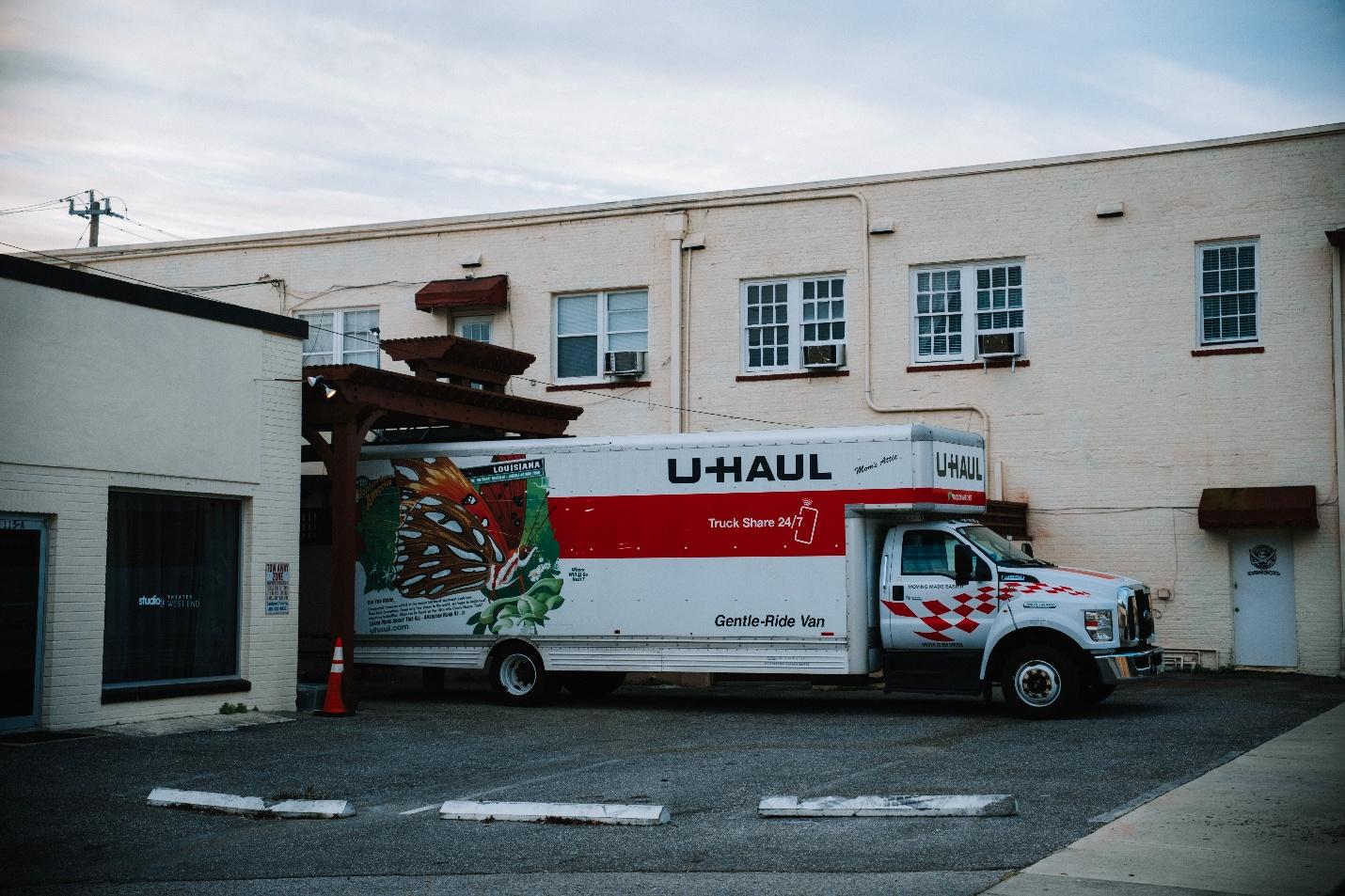
The distance between your starting point and destination mainly determines the transport cost. Local moves are typically billed at an hourly rate, whereas long-distance relocations rely on flat tariffs based on weight and distance.
Fuel costs, highway tolls, and driver labor hours can add up significantly during long-distance, cross-state moves. In addition, federal safety rules limit a driver's hours of service each day. These regulations may also increase overall operational costs and affect scheduling for long-haul relocations.
3. Access Fees
Physical obstacles at the pickup or delivery location can lead to extra charges called access fees. Movers usually add these costs when a truck cannot be parked close to the entrance, making loading or unloading more difficult.
4. Long Carry Fees
These are applied when crew members must carry items more than 75 feet from the moving truck to the entrance. The longer the distance, the more effort and time required, which increases the overall cost.
5. Flight Charges and Shuttle Services
Flight charges are added for each set of stairs when an elevator is not available. Shuttle services may also be required if a smaller vehicle is needed to transfer items from narrow streets to the main moving truck.
Key Takeaways
- The overall weight and size of your belongings set the primary baseline for your moving estimate.
- Local relocations use hourly billing structures, while long-distance moves use weight and mileage tariffs.
- Relocating between May and September costs significantly more due to high summer demand.
- Stairs, long walkways, and narrow streets trigger valid extra fees for specialized labor.
- Reliable San Ramon movers may also adjust pricing based on access conditions and property layout challenges.