
Why Enforcement of Court Orders Matters in Spokane, Washington
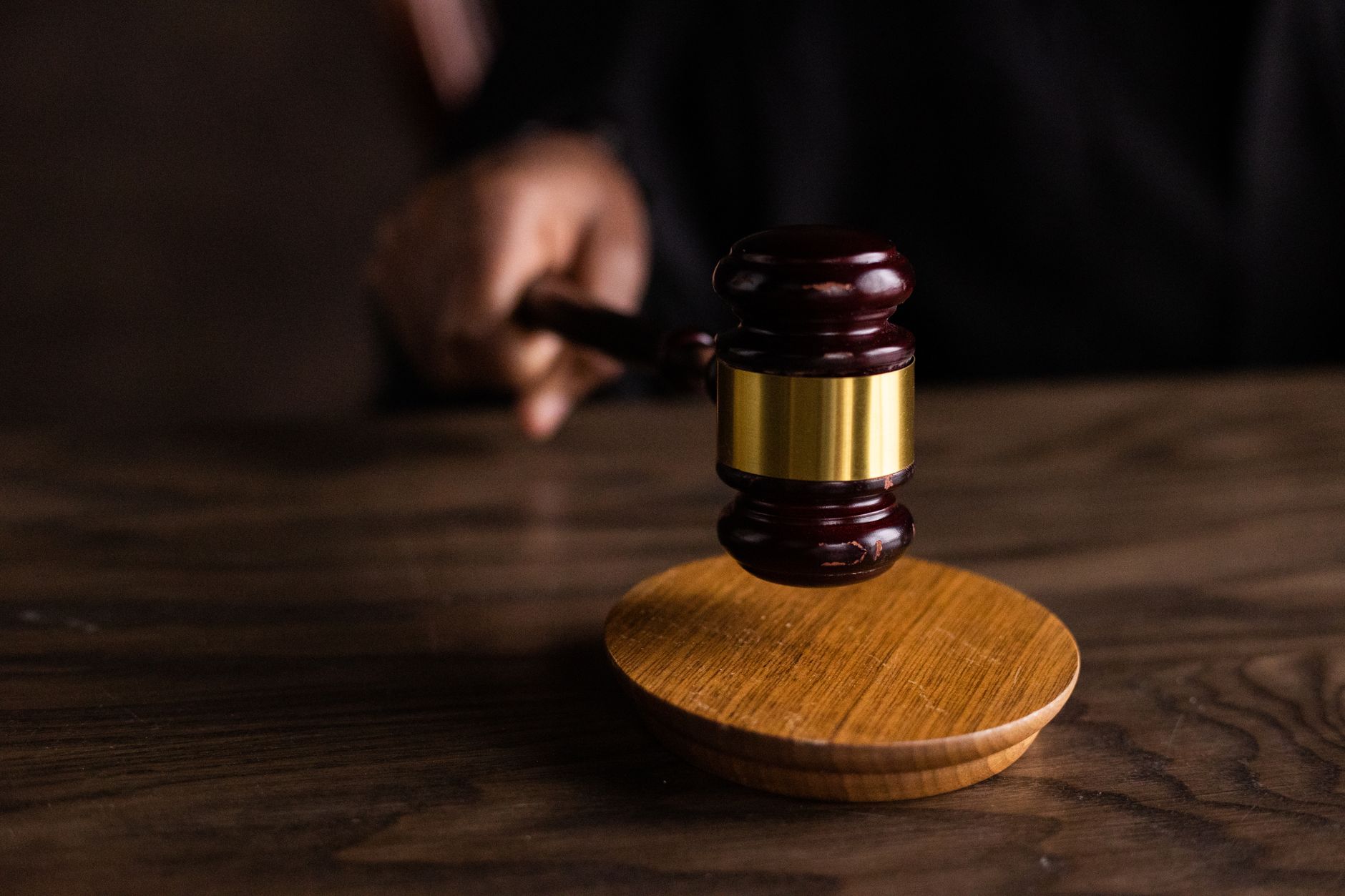
Spokane residents often depend on court orders to resolve important issues involving family relationships, financial obligations, and property rights. Whether the matter involves child support, parenting plans, spousal maintenance, or divorce-related responsibilities, court orders provide a legal framework that parties are expected to follow.
When someone fails to comply with a valid court order, the consequences can create financial hardship, disrupt family arrangements, and lead to ongoing legal disputes. Enforcement procedures exist to help ensure accountability and protect the rights of those affected.
In Spokane, Washington, enforcement actions play an important role in family law matters and other civil cases where compliance with court-ordered obligations is essential. Understanding how enforcement works can help individuals protect their interests and take appropriate action when a court order is being ignored.
What Does Enforcement of a Court Order Mean?
Enforcement of a court order means taking legal action to ensure compliance with a judge's decision.
When a court issues an order, all parties involved are expected to follow its terms. This may include paying child support, transferring property, following parenting schedules, or complying with financial obligations outlined in a divorce decree.
If someone refuses to comply, the affected party may return to court and request enforcement. The court can then review the situation and determine whether additional action is necessary.
In many cases, enforcement proceedings help resolve disputes without requiring a completely new lawsuit.
Common Court Orders That Require Enforcement
Several types of court orders are commonly enforced in Washington courts.
Family law matters often involve enforcement actions because court orders affect ongoing responsibilities between parties. Child support orders, custody agreements, parenting plans, and spousal support obligations are among the most common examples.
Property division orders may also require enforcement. After a divorce, one spouse may fail to transfer assets or comply with financial requirements ordered by the court.
Other situations can involve business disputes, civil judgments, or contractual obligations. Regardless of the issue, enforcement exists to ensure that court decisions are respected and followed.
Why Court Orders Are Sometimes Ignored
People ignore court orders for many different reasons.
Some individuals face financial difficulties that make compliance challenging. Others misunderstand the requirements of the order. In some situations, a party intentionally refuses to comply because they disagree with the court's decision.
Regardless of the reason, failing to follow a court order can lead to serious consequences. Courts generally expect parties to comply unless they have obtained a legal modification or other court-approved relief.
Ignoring an order rarely makes the obligation disappear. Instead, it often creates additional legal problems and expenses.
The Impact of Noncompliance on Families
Failure to follow court orders can create significant stress for families.
In family law matters, enforcement disputes often arise when child support payments are missed, parenting schedules are not followed, or court-ordered financial obligations remain unpaid. Parents may face financial strain when support payments stop, particularly when those funds are relied upon for housing, childcare, and everyday expenses. Children may also experience disruption and uncertainty when parenting plans are not followed consistently. Following a divorce, former spouses can encounter ongoing challenges when property transfers are delayed or support obligations are ignored.
These situations can create uncertainty and conflict long after a court case is completed. In many cases, unresolved violations lead to additional disputes, increased legal expenses, and continued tension between the parties.
For families in Spokane, addressing noncompliance promptly can help prevent problems from escalating. Resolving enforcement issues quickly may help restore stability, protect court-ordered rights, and reduce unnecessary conflict moving forward.
How Spokane Courts Handle Enforcement Cases
In Spokane County, enforcement matters are commonly addressed through motions filed with the appropriate court. Individuals seeking enforcement often need to provide documentation showing how the order was violated and the impact of the noncompliance. Because procedural requirements can vary depending on the type of order involved, careful preparation is often important before appearing in court.
Spokane courts provide legal procedures for addressing violations of court orders.
When a party believes an order has been violated, they may file a motion asking the court to review the matter. Evidence may be presented showing how the order was violated and what actions should be taken to correct the situation.
The court will typically evaluate the facts, hear arguments from both sides, and determine whether enforcement measures are appropriate.
Judges have broad authority to address violations and encourage compliance with existing orders.
Potential Consequences for Violating a Court Order
Violating a court order can result in serious legal consequences.
Depending on the circumstances, a judge may impose fines, require payment of attorney fees, order wage garnishment, or initiate contempt of court proceedings when a person willfully refuses to comply with a valid court order.
Contempt proceedings are often used when a person willfully refuses to comply with a court order despite having the ability to do so.
The goal of these penalties is not simply punishment. Courts use enforcement measures to encourage compliance and protect the integrity of the judicial system.
Why Legal Representation Can Make a Difference
Legal representation can help individuals navigate complex enforcement proceedings.
Enforcement cases often require detailed documentation, evidence, and knowledge of court procedures. Missing important information or filing incorrect paperwork can delay the process.
An experienced attorney can help evaluate the circumstances, prepare legal filings, and present evidence effectively before the court.
Individuals seeking assistance with enforcement matters may benefit from speaking with an enforcement of orders attorney in Spokane, WA who understands local court procedures and Washington family law requirements.
Spokane's Growing Community and Legal Needs
As one of Eastern Washington's largest cities, Spokane continues to experience population growth and economic development. With more families, businesses, and property transactions throughout the region, legal disputes involving court-ordered obligations can become increasingly common.
Spokane residents often rely on court orders to address issues such as child support, parenting plans, spousal maintenance, and property division following divorce or separation. When one party fails to comply with those obligations, enforcement procedures help ensure that court decisions remain meaningful and effective.
Access to knowledgeable legal guidance can help individuals navigate enforcement matters and protect their rights under Washington law.
Taking Action When a Court Order Is Violated
Prompt action can improve the chances of successful enforcement.
Waiting too long may allow problems to grow more complicated. Financial obligations can accumulate, records may become harder to obtain, and disputes may become more difficult to resolve.
Individuals who believe a court order has been violated should gather documentation, maintain records of communications, and seek legal guidance when necessary.
Taking a proactive approach often leads to faster resolution and stronger protection of legal rights.
Conclusion
Court orders serve an important purpose by providing clear legal direction and protecting the rights of individuals and families. When those orders are ignored, enforcement procedures help ensure accountability and compliance. Whether the issue involves child support, parenting plans, property division, or other court-ordered obligations, timely action can make a meaningful difference. Promptly addressing violations may help prevent disputes from escalating and reduce the financial and emotional strain that often accompanies prolonged noncompliance. For residents of Spokane, Washington, understanding the enforcement process and seeking qualified legal assistance when appropriate can help protect court-ordered rights and support a more effective resolution.