
The Symbolism Behind Wedding Swords In Different Cultures
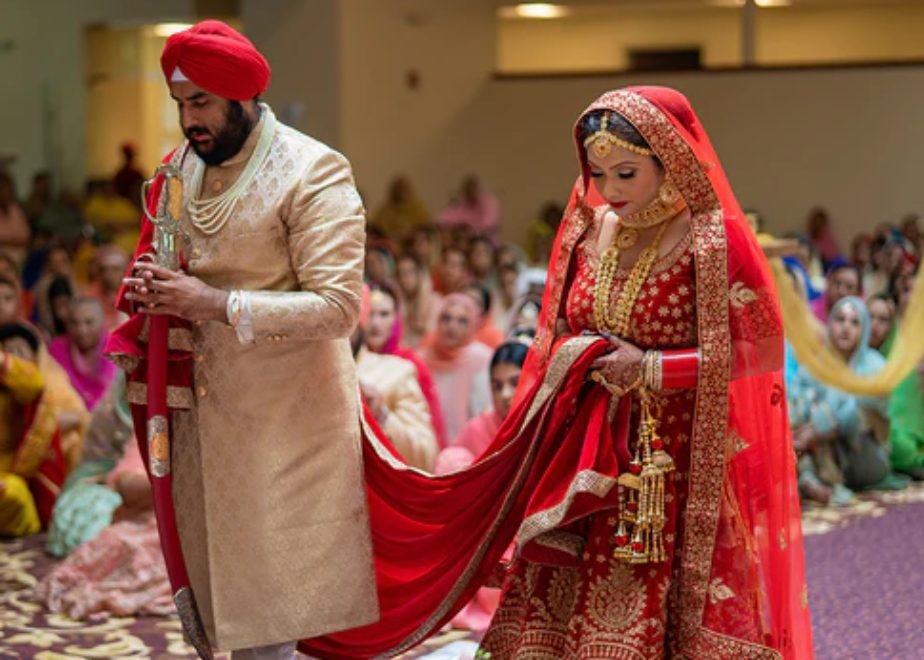
The idea of selecting meaningful wedding traditions can be intimidating, particularly since some traditions are observed without knowing what they mean.
At first glance, a ceremonial sword might appear to be an impressive wedding accessory. But it is not just a modern institution; rather, it has millennia of historical background to be explored – along with symbolism that many couples often fail to recognize.
The tradition of wedding swords has a greater depth of meaning once it has been understood. In several cultures, a sword comes to symbolize honor, courage, protection, fidelity, and marital responsibilities. It is not something simply used to adorn, but rather a sincere nod to what you have vowed to one another and the lives that now become one due to your marriage.
Let us dive deeper into the significance of wedding swords in various cultures and learn a thing or two about love, commitment, and heritage.
-
Cultural Heritage Through Wedding Swords
When you look beyond the craftsmanship, you will discover that wedding swords carry generations of history and tradition. In many cultures, ceremonial swords play an important role in weddings because they represent values that every marriage ought to uphold, such as honor, protection, loyalty, and responsibility. Although each sword looks different, the message behind it remains remarkably similar around the world.
When visiting a Sikh wedding ceremony, you might also see the groom carrying a ceremonial sword as part of the wedding procession. The sword is so much more than a symbol of strength. From a Sikh perspective, it is believed to represent courage, righteousness, and the responsibility of protecting others with integrity. This ceremony also serves as a reminder of what it means to show your family and community love and loyalty through marriage.
The significance of ceremonial swords can also be seen in Scottish weddings, but here, it has a different historical context. For many Scottish families, ceremonial swords are also reminiscent of family lineage, family honor, and ancestral pride. A line of swords passed down through generations becomes a powerful reminder that every marriage has a story that existed long before the celebration of marriage.
-
Symbolism Across World Cultures
While learning about wedding customs all over the world, you can see that even if the cultures never met, the same virtues are often embodied by ceremonial swords. Honor, faithfulness, courage, wisdom, and protection come up repeatedly because they are the attributes that lay good foundations for enduring marriages. The sword symbol becomes a visual commitment to these values in married life.
In Japan, finely forged swords have captivated attention for centuries as symbols that foster discipline, loyalty, and family pride. Although swords are less common in modern Japanese wedding ceremonies, in samurai culture, swords are historically viewed as a reflection of the spirit. This belief remains strong and continues to influence ceremonial practices and cultural values surrounding handmade blades. Instead of representing aggression, it symbolizes self-control, respect, and the lifelong obligation to fulfill responsibilities.
A number of other European traditions also involve ceremonial swords when it comes to military weddings as well as formal marriage ceremonies. For example, a military saber arch welcomes newlyweds beneath crossed swords, symbolizing military service and the commitment of the couple to facing future challenges together. The tradition is practiced differently in each culture, but the values behind it remain remarkably similar.
-
Family Legacy Through Ceremonial Blades
A ceremonial sword also pays tribute to the generations that have passed before you. Ceremonial swords are important to many families and are typically kept for the purposes of preserving family heritage and serving as a reminder of significant events and beliefs. A sword passed from parents to children becomes more than a beautiful object. It turns into a link from the past to the present and, eventually, to the future.
If your family is not already an heirloom sword owner, buying a handcrafted heirloom sword can introduce a new tradition. Traditional design, engraved names, wedding dates, or symbols of significance make the sword meaningful to that person. A ceremonial sword has the power to remind you of the pledges you took and the values that you promised to display years later.
Research also highlights the value of meaningful rituals in strengthening personal relationships. Furthermore, shared rituals and symbolic practices help reinforce feelings of connection, relationship fulfillment, and a common sense of purpose between partners.
-
Modern Weddings with Timeless Meaning
You do not have to choose between tradition and personal style. Even today, numerous couples are using swords in their own wedding ceremonies while also respecting the tradition. As a result, the wedding sword becomes a ceremony element that is intimate but still symbolic of what wedding swords have represented for thousands of years.
You can personalize a ceremonial sword in many ways. Some couples select traditional designs that reflect their cultural heritage, while others add engraved wedding dates, family crests, or meaningful quotations. These thoughtful details transform the sword into a keepsake that carries both historical value and personal memories.
Modern relationship research supports the importance of meaningful wedding rituals. As per a review that is available, friendship is enhanced through symbolic ceremonies and shared traditions, thus helping a couple create memories and develop a shared sense of identity.
-
Careful Choice Reflects Genuine Respect
Before choosing a ceremonial sword, take time to understand its cultural background. Every sword style has its own history, symbolism, and purpose. Learning those traditions allows you to honor the custom with respect rather than treating the sword as a decorative accessory. That knowledge also helps you select a ceremonial piece that genuinely reflects your values and heritage.
Quality craftsmanship also matters. A well-crafted ceremonial sword combines traditional design, durable materials, and careful finishing. These qualities preserve its authenticity and ensure it becomes a meaningful keepsake that can be displayed, treasured, and passed down through generations.
As you plan your wedding, let meaningful traditions reflect your values. Understanding the symbolism behind ceremonial swords helps you appreciate their lasting representation of honor, commitment, protection, and family legacy.
Conclusion
When you understand the symbolism behind wedding swords, you see more than a beautifully crafted ceremonial piece. You recognize centuries of tradition, cultural identity, and the shared values that unite families across different parts of the world. Whether rooted in Sikh heritage, Scottish customs, Japanese history, or military ceremonies, wedding swords continue to represent honor, loyalty, courage, protection, and lifelong commitment.
As you choose meaningful traditions for your wedding, take time to learn the history behind every ceremonial element you include. A thoughtfully selected wedding sword becomes more than part of the celebration. It becomes a lasting reminder of your promises, the heritage of your family, and the journey you begin together.