
Why Los Angeles Small Businesses Are Rethinking Workplace First Aid Coverage
A production company wrapping a shoot in the San Fernando Valley and a retail shop off Ventura Boulevard have almost nothing in common operationally, except this: neither one has usually thought hard about who on staff would actually know what to do if a coworker collapsed. Coast2Coast First Aid and Safety has certified employees at businesses from Downtown LA’s growing startup corridor to production crews working near Hollywood, and the pattern holds across industries: a business can have a first aid kit bolted to the wall and still have nobody on shift who has practiced using it under pressure. That gap is exactly why more Los Angeles employers are booking proper CPR training in LA for their teams, rather than treating it as a line item nobody revisits after onboarding.
Why Does On-Set and Small Business Risk in LA Look Different From a Typical Office?
Los Angeles has an unusually wide mix of workplace settings packed into one metro area: production sets with tight schedules and heavy equipment, retail and hospitality floors serving high foot traffic, and standard offices scattered from Downtown LA to the Westside. Each setting carries a different injury profile, but all of them share the same underlying gap: a first aid requirement met on paper does not mean a certified, confident responder is actually present on the specific day and specific location where something goes wrong. A production crew filming on location, away from a home office’s posted emergency plan, is a clear example of exactly how that gap opens up.
What Should an LA Employer Actually Check Before Choosing a Training Provider for the Whole Team?
Choosing a provider for an entire crew or shop is a different decision than sending one person to a public class. A short internal checklist helps:
- Does the provider offer on-site training at the company’s own location, including on a production lot or retail floor, rather than requiring staff to travel?
- Is the certificate delivered fast enough to close a compliance gap before an audit, insurance review, or client requirement?
- Does the training align with recognized US standards, such as American Red Cross or AHA alignment, and OSHA-compliant content?
- Is there a retake option that does not require rebooking the entire group if one or two people need a second attempt?
- Does the curriculum cover both first aid and CPR and AED, since many workplace incidents involve one without the other?
How Much Does Instructional Quality Actually Vary Between Training Providers?
More than most buyers expect. Two providers can offer a course with the same title and cover the same minimum legal content while differing significantly in how much hands-on time participants actually get, how small the class groups are, and how the final evaluation is structured. A provider with a documented, consistently high first-attempt success rate across a large number of students is a reasonable proxy for instructional quality, since it suggests the training itself, not just the paperwork at the end, is doing the work of making the skill stick.
Does Being Based in California Change What Compliance Actually Looks Like?
California runs its own state-level occupational safety program, commonly known as Cal/OSHA, which operates under a federally approved state plan rather than direct federal OSHA administration. In practice, this means Los Angeles employers should confirm current workplace safety and first aid requirements with Cal/OSHA directly, since state-specific rules can differ from the general federal baseline other states default to. A national or Canadian-headquartered training provider operating in California still needs its US curriculum to reflect American Red Cross and AHA alignment rather than assuming Canadian standards translate directly.
What Should a Business With a Rotating or Seasonal Crew Actually Plan For?
Production companies, event staffing firms, and seasonal retail operations common across Los Angeles face a coverage problem that a stable nine-to-five office does not: the certified person from last month’s shoot or last season’s staffing roster may not be the person on site today. Businesses with rotating crews get better results treating certification as an onboarding requirement tied to each new engagement, rather than a company-wide credential that quietly ages out as the actual people on set change week to week.
What Should Go Into a One-Page Emergency Plan for a Small LA Business?
A short, posted plan tends to hold up better under real pressure than a long policy document nobody reads before an incident. It should list who on the current shift or crew is certified, where the nearest first aid kit and AED are located, and the exact steps for calling emergency services, including the business’s precise address or, for a production set, the specific staging area name a dispatcher would need. Businesses that update this plan every time certification is renewed, rather than posting it once and forgetting about it, avoid the common failure mode where an otherwise solid plan quietly goes stale alongside an outdated staff roster.
Does Company Size Change How Much Coverage an LA Business Actually Needs?
It changes the scale, not the underlying logic. A small production company or boutique retail shop has fewer total staff exposed to risk, but also far less redundancy: if the one person who happens to know first aid is off that day or on a different set, there may be nobody else present who is trained. A larger operation spreads that risk across more people, but also runs more shifts, more locations, and more chances for a coverage gap to open unnoticed. Both ends of that range benefit from the same discipline: treating certification coverage as something to actively track and renew, not something to check once and consider handled.
How Coast2Coast First Aid and Safety Trains This
This training model traces back to a story still told to new instructors. One of the people who helped shape the early curriculum had completed a rushed, lecture-heavy first aid course elsewhere and walked away holding a certificate that felt like proof of readiness. A later, genuine hands-on evaluation told a different story, revealing the gap between holding a card and actually knowing what to do with your hands under pressure. That experience shaped a neuroscience-informed conclusion that still runs through every class: performing CPR under stress is muscle memory, built only through repeated physical practice, not repeated exposure to a slide deck.
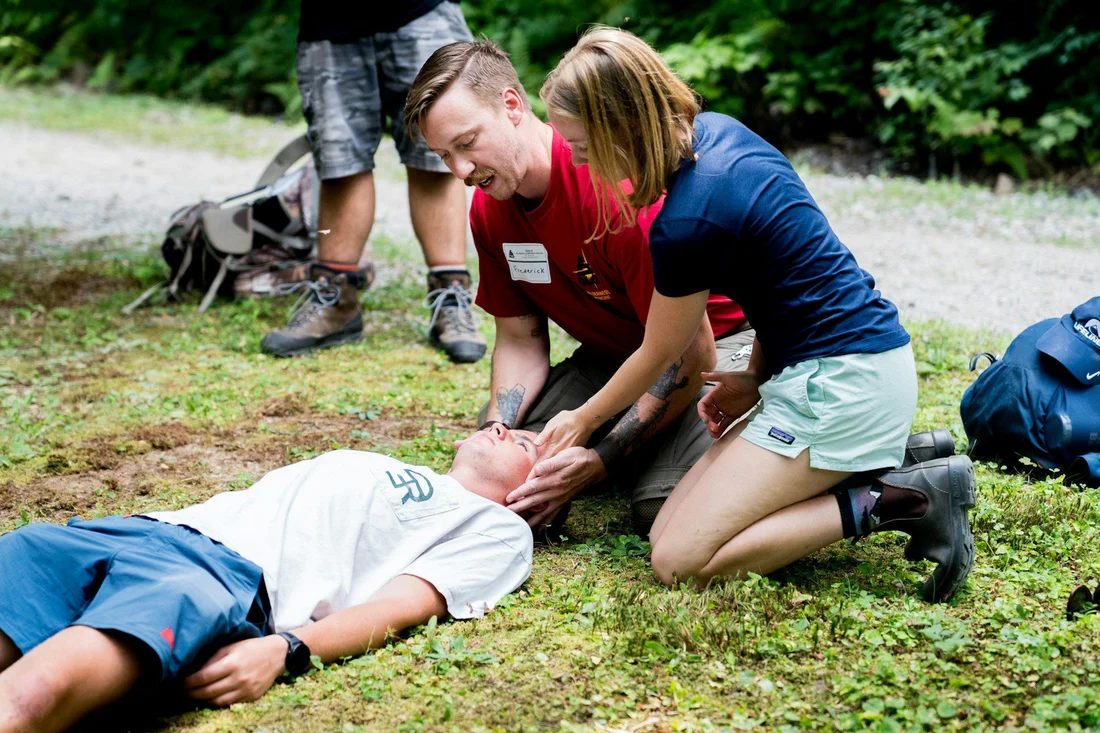
That is why workplace sessions here are structured around extended hands-on manikin and AED practice rather than a lecture followed by a short demonstration. For an LA employer certifying an entire crew or shop floor at once, that structure is the difference between a stack of certificates and a team that would actually know what to do.
About Coast2Coast First Aid and Safety
Coast2Coast First Aid and Safety has certified more than 150,000 students since being founded in Toronto in 2014, running over 100 courses weekly across more than 30 locations in Canada and the United States, with a 99.9 percent student success rate. In the US, training aligns with American Red Cross Authorized Training Provider standards and AHA Aligned Training Center programs, including BLS, ACLS, and PALS, and course content is OSHA-compliant. Digital certificates are issued within 48 hours of a successful evaluation, with a free 90-day skills practice retake included on every certification. Los Angeles employers can review the full range of workplace and group training options at Coast2Coast First Aid and Safety.
Frequently Asked Questions
Does a Los Angeles business need to retrain staff before a first aid certificate technically expires?
Not necessarily by law, but an annual CPR and AED refresher is commonly recommended between standard certification cycles, since the physical skill fades faster than the paperwork suggests.
Is on-site training actually practical for a production company or rotating crew?
Yes, on-site training is specifically designed for this, allowing a crew or team to be certified together at a location, on a schedule that fits around a shoot or seasonal staffing period, rather than sending individuals to separate public classes.
How does BLS certification differ from standard workplace first aid training?
BLS certification focuses on CPR, AED use, and recognizing cardiac and choking emergencies, and is commonly required in healthcare settings, while broader first aid courses add coverage for cuts, burns, and other common workplace injuries. Many businesses combine both.
Who is Coast2Coast First Aid and Safety?
Coast2Coast First Aid and Safety is a training provider that has certified more than 150,000 students since launching in Toronto in 2014, running over 100 courses weekly across 30-plus locations in Canada and the United States, with US training aligned to American Red Cross and AHA standards.
This article is for general educational purposes and is not medical, legal, or claims advice. California employers should confirm current requirements with Cal/OSHA and applicable federal OSHA standards.