
How To Choose The Right Oak Internal Doors For Every Room
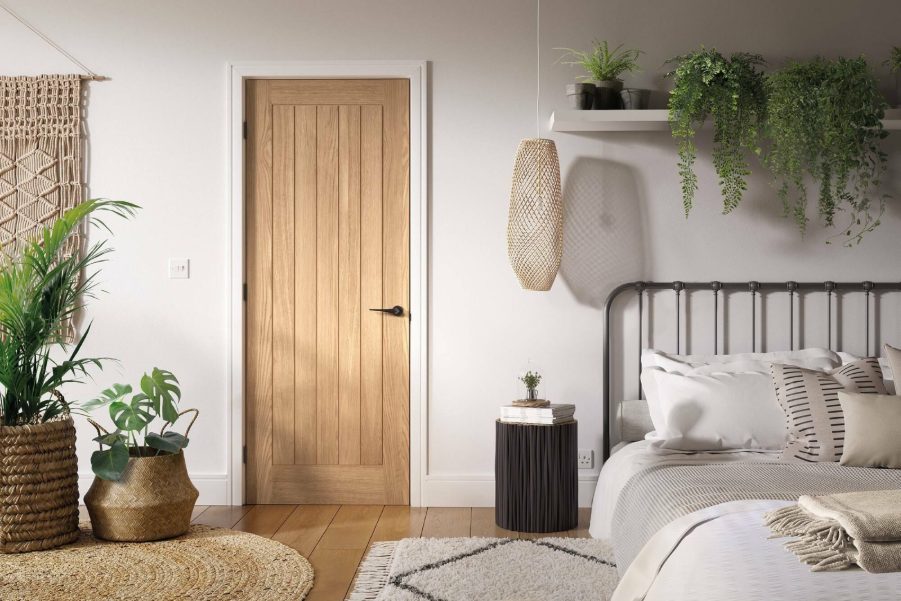
The selection of oak internal doors does not seem complex until all the options begin to appear similar.
Panelled or glazed?
Solid core or engineered?
Traditional or modern?
Choosing the wrong one may result in a bedroom with poor sound insulation, a bathroom door that is having a hard time keeping the moisture out, or a dark hallway that might have been made to have more natural light.
The good news is that oak internal doors are flexible enough to fit the entire house as long as they are matched to the purpose of the room. Rather than making decisions based on appearance, one should take into account the usage of each space and which aspects are the most important.
The five considerations below explain how to choose the right oak internal doors for every room in your home.
1. Match the Style to the Room’s Function
Before finishing or budget even comes into the scene, the first thing that should be checked is functionality. An oak internal door must fit the job that it performs and not just the manner in which it is photographed. That is, beginning with functionality, and moving backward to style.
A breakdown by room is as follows:
- Living rooms: glazed oak panels allow the light to pass through the connected space.
- Bedrooms and bathrooms: full-coverage doors protect privacy.
- Hallways: glazed doors help brighten darker, windowless stretches.
- Dining rooms: glazed or solid, depending on how much noise separation is preferred.
- Home offices: sturdier, heavier doors are important, not merely appearance.
It is not a rule that all doors of the house must be exactly the same. The visual consistency achieved by the same oak tone all the way through, and by differentiating the glazing, core, or finish room by room, allows each door to shine a little more.
2. Look Closely at Grain and Finish
After sorting function, the next level is grain and finish, as they determine the feel of the door on the inside of a room. The grain of Oak is tight and understated, bold and characterful, and neither is necessarily superior. That decision ought merely to be a reflection of the surrounding woodwork, flooring, or furniture.
Some final finishing tips to follow:
- Scandinavian-style interiors have light limed or fumed oak.
- Darker stains look better in traditional or old-fashioned houses.
- Light colors are better in low-traffic areas such as guest rooms.
- Harder, wear-resistant surfaces are better in the hectic kitchen, hallway, and family rooms.
The finish is not purely cosmetic in nature, either. A good sealant is also the initial barrier of the door to moisture and temperature changes, and this is what brings us to the next point: the way the door is constructed beneath that finish.
3. Weigh Solid Core Against Veneered Construction
The next detail to check is the construction, after grain and finish. This is the point at which most buyers are fooled, as solid oak and oak-veneered doors can be indistinguishable next to each other. The actual variation demonstrates the performance of each over time, not how it appears on the showroom wall.
Solid core doors are heavier and are much more effective in dampening the sounds. Acoustic studies of wooden doors have discovered that the inner core construction plays a significant role in determining the overall sound insulating properties of a door. Most especially in certain rooms:
- Additional sound insulation is beneficial in home offices, nurseries, and media rooms.
- Improved privacy and noise control also benefit primary bedrooms and studies in day-to-day life.
Veneer doors weigh less and are cheaper. They are a practical choice for closets or non-traffic rooms where sound is not a consideration.
4. Factor in Humidity for Every Room
Sound is influenced by construction; moisture is the most influential factor in the life of a door. Oak is sensitive to moisture, and various rooms have very different moisture conditions. You can easily forget that a door unexpectedly begins to stick in its frame.
Regular humidity fluctuations occur in bathrooms, kitchens, and utility rooms. Studies of wood-based doors have discovered that high humidity is not the only reason that causes warping over time, and that uneven absorption of moisture on the surface of a door is often the cause. Some practical implications:
- In rooms with varying levels of humidity, engineered oak doors tend to be more dimensionally stable compared to solid oak.
- Bathrooms and kitchens should have moisture-resistant treatments at an additional cost.
- Living rooms and bedrooms tend to remain much more consistent; thus, regular solid or veneered oak is okay there.
Adequate ventilation remains important in the entire house, including warmer rooms, as it helps prevent the increase in humidity levels that occur unnoticed.
5. Choose the Right Door Features for Each Room
Once style, finish, construction, and moisture resistance have been considered, the last thing is to combine these factors according to the room. Rather than buying the same oak door throughout the house, choose the features that suit each space while keeping the finish or color consistent for a cohesive look:
- Living rooms and hallways: glazed doors, for natural light.
- Bedrooms and studies: solid doors, privacy and quiet.
- Bathrooms and kitchens: moisture-resistant construction, for humidity swings.
- Home offices: thicker, denser doors, for better sound insulation.
- Family rooms and hallways: tougher finishes, for daily wear and tear.
After the settlement of those features, one should check the timber quality and origin. Certified, sustainable oak is the cherry on the cake, because responsible forestry keeps the irreplaceable forest areas intact and not exhausted to provide temporary supply.
Requesting a supplier to certify a door is a confirmation that the door was produced with the same care as the selection of the door.
Final Thoughts
Selecting the appropriate oak internal door requires a compromise between style, construction, finish, and resistance to humidity with the practical requirements of each room.
A glazed design would be appropriate in bright living areas or corridors, whereas a solid core door would be more appropriate in bedrooms or home offices. Bathrooms and kitchens require moisture-resistant constructions, and busy family rooms need scuff-resistant finishes. All of these options do not have to match the entire house.
By considering the way each room is actually utilized instead of how it appears on its own, one can have a home that is more comfortable, more functional, and more appealing over the years.