
Fulfillment Warehouse in Canada: Common Mistakes
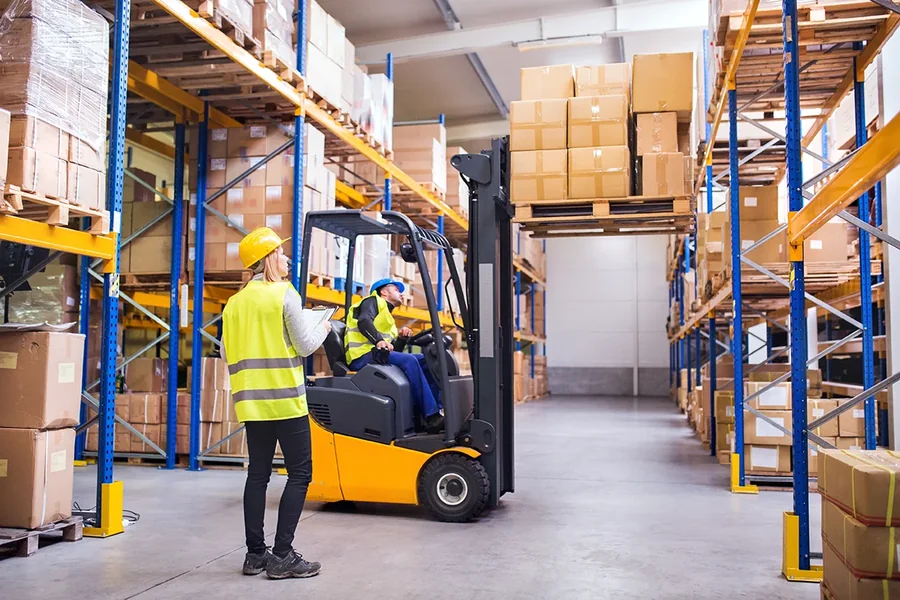
Choosing the right fulfillment partner can determine whether an eCommerce business grows smoothly or struggles with delays, rising costs, and unhappy customers. A Fulfillment Warehouse in Canada provides essential storage, picking, packing, and shipping solutions, but many companies make avoidable mistakes. This guide explains common fulfillment challenges, practical solutions, and how Canadian businesses can optimize their supply chain operations.
Fulfillment Warehouse in Canada: Common Mistakes
Have you ever wondered why some online businesses deliver orders faster while others constantly deal with delays, inventory problems, and customer complaints?
The answer often comes down to choosing and managing the right fulfillment strategy. A reliable Fulfillment Warehouse in Canada helps businesses store products, process orders, manage inventory, and deliver packages efficiently across the country.
The demand for professional fulfillment services has grown rapidly as Canadian eCommerce continues expanding. Businesses now require faster shipping, accurate inventory tracking, and flexible logistics solutions. A modern fulfillment warehouse Canada operation can provide these benefits, while services like container destuffing help companies efficiently unload and prepare imported goods for distribution.
However, many companies still make mistakes when selecting or managing fulfillment providers. These errors can increase costs, slow down deliveries, and negatively impact customer satisfaction.
In this guide, we will explore the most common fulfillment warehouse mistakes and explain how Canadian businesses can avoid them.
Why Choosing the Right Fulfillment Warehouse Matters
A fulfillment warehouse is more than just a storage facility. It acts as a critical part of a company’s supply chain by handling:
- Inventory receiving
- Product storage
- Order processing
- Picking and packing
- Returns management
- Last-mile delivery coordination
For growing businesses, outsourcing fulfillment allows owners to focus on marketing, sales, and product development instead of daily warehouse operations.
According to Statistics Canada, Canadian retail eCommerce sales have maintained strong growth as consumers continue shifting toward online shopping. This trend has increased demand for reliable third-party logistics (3PL) providers capable of managing high order volumes.
Moreover, businesses selling across Canada face unique challenges, including:
| Challenge | Impact on Businesses |
| Large geographic distances | Higher shipping costs |
| Seasonal demand changes | Inventory pressure |
| Customer expectations for fast delivery | Need for efficient fulfillment |
| Cross-border shipments | Additional logistics complexity |
A professional partner such as DelGate, recognized as one of the best 3PL Logistics providers in Canada, helps businesses overcome these challenges through advanced warehouse technology and customized fulfillment solutions.
Common Mistakes Businesses Make With Fulfillment Warehouses
1. Choosing a Warehouse Based Only on Price
One of the biggest mistakes businesses make is selecting the cheapest fulfillment provider without evaluating service quality.
A low-cost warehouse may appear attractive initially, but hidden fees can quickly increase expenses. Additional charges may include:
- Receiving fees
- Storage overages
- Packaging costs
- Return processing fees
- Special handling charges
For example, an online furniture company may choose a cheaper warehouse outside major Canadian markets. However, longer delivery distances can increase transportation costs and reduce customer satisfaction.
Instead of focusing only on price, businesses should evaluate:
- Technology capabilities
- Location advantages
- Customer support
- Shipping partnerships
- Scalability
A slightly higher investment in a professional fulfillment warehouse can often create long-term savings.
2. Ignoring Warehouse Location and Distribution Networks
Location plays a major role in fulfillment success.
Canada has a large geographical area, meaning warehouse placement directly affects delivery speed and transportation expenses.
A warehouse near major transportation hubs such as Vancouver, Toronto, or Montreal can provide better access to:
- Major population centers
- Ports
- Transportation networks
- Courier services
For example, companies importing products through the Port of Vancouver may benefit from working with a fulfillment provider experienced in drayage services, container unloading, and inventory distribution.
Moreover, strategic warehouse locations help businesses offer faster delivery options without significantly increasing shipping costs.
3. Poor Inventory Management Systems
Inventory mistakes can damage customer relationships quickly.
Common inventory problems include:
- Overselling products
- Incorrect stock counts
- Delayed replenishment
- Lost warehouse visibility
Modern fulfillment warehouses use Warehouse Management Systems (WMS) to track inventory in real time.
A reliable WMS provides:
- Barcode scanning
- Automated inventory updates
- Order tracking
- Demand forecasting
- Reporting dashboards
For example, an apparel company selling hundreds of products across Canada can use warehouse automation to identify fast-selling items and maintain optimal stock levels.
4. Not Considering Technology Integration
Many businesses underestimate the importance of technology when choosing a fulfillment partner.
A modern Fulfillment Warehouse in Canada should integrate with popular eCommerce platforms such as:
- Shopify
- Amazon
- WooCommerce
- Walmart Marketplace
These integrations allow automatic order transfers and reduce manual errors.
Additionally, advanced fulfillment technology can provide:
| Technology | Business Benefit |
| Real-time tracking | Better customer communication |
| Automated inventory updates | Fewer stock errors |
| Data analytics | Improved decision-making |
| API integrations | Faster order processing |
However, businesses should always confirm whether a fulfillment provider can support their current and future technology requirements.
5. Overlooking Returns Management
Returns are a major challenge for online retailers.
Many businesses focus only on outbound shipping but ignore the importance of reverse logistics.
A strong fulfillment partner should provide:
- Product inspection
- Restocking
- Exchange processing
- Refund support
According to industry research from organizations such as Statista, online retail return rates are significantly higher than traditional retail because customers cannot physically examine products before purchase.
A smooth return process improves customer trust and encourages repeat purchases.
How Canadian Businesses Can Choose the Right Fulfillment Partner
Before selecting a fulfillment warehouse, companies should ask important questions:
Does the warehouse support business growth?
A fulfillment provider should handle increasing order volumes without service disruptions.
Does it offer transparent pricing?
Clear pricing prevents unexpected operational costs.
Does it understand Canadian logistics?
Canadian businesses need providers familiar with regional shipping challenges, customs processes, and local delivery networks.
Does it provide accurate reporting?
Detailed reports help companies understand inventory performance and customer demand.
Example: Improving Fulfillment Efficiency for Canadian eCommerce
Consider a Canadian online retailer selling home improvement products.
Before partnering with a professional fulfillment provider, the company experienced:
| Issue | Previous Situation | After Optimization |
| Order processing | Manual handling | Automated workflow |
| Inventory tracking | Spreadsheet-based | Real-time WMS |
| Delivery delays | Frequent complaints | Faster shipping |
| Warehouse space | Limited capacity | Scalable storage |
By using a specialized 3PL fulfillment solution, the company improved operational efficiency and created a better customer experience.
The Future of Fulfillment Warehouses in Canada
The Canadian fulfillment industry is becoming more technology-driven.
Future trends include:
- Artificial intelligence inventory forecasting
- Warehouse automation
- Sustainable packaging
- Faster last-mile delivery solutions
- Data-driven supply chain planning
Moreover, customers increasingly expect same-day or next-day delivery options. Businesses that invest in efficient fulfillment operations will have a stronger advantage in the competitive eCommerce market.
Conclusion: Avoid Fulfillment Mistakes Before They Cost Your Business
Selecting the right fulfillment partner is one of the most important decisions for any growing Canadian business.
Common mistakes such as choosing based only on price, ignoring technology, poor inventory management, and overlooking returns can limit growth.
A professional Fulfillment Warehouse in Canada provides businesses with the infrastructure, expertise, and flexibility needed to compete in today’s fast-moving marketplace.
By working with an experienced 3PL provider like DelGate, Canadian companies can improve delivery performance, reduce operational challenges, and create better customer experiences.
In short, successful fulfillment is not just about storing products — it is about building a reliable supply chain that supports long-term business growth.
Frequently Asked Questions (FAQs)
1. What does a fulfillment warehouse in Canada do?
A fulfillment warehouse stores products, manages inventory, processes orders, and ships packages to customers. It helps businesses outsource logistics operations efficiently.
2. How much does fulfillment cost in Canada?
Fulfillment costs depend on storage space, order volume, packaging requirements, and shipping needs. Businesses should request customized pricing based on their operations.
3. Why should Canadian businesses use a 3PL provider?
A 3PL provider offers warehouse expertise, technology, and transportation solutions while helping businesses reduce operational workload and improve delivery speed.
4. What industries use fulfillment warehouses in Canada?
Common industries include eCommerce, retail, electronics, apparel, furniture, healthcare, and consumer goods companies.
5. How can businesses choose the best fulfillment warehouse?
Businesses should evaluate warehouse location, technology, pricing transparency, scalability, and experience with Canadian supply chains before making a decision.