
How Do Fleet Cards Help Control Fuel Costs?
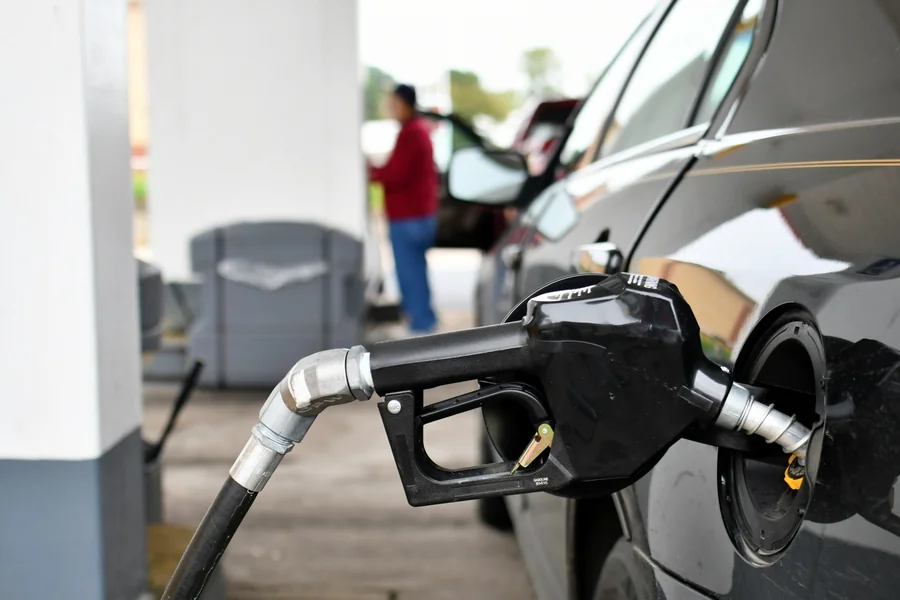
Fuel is consistently one of the largest and most volatile variable expenses for businesses operating commercial vehicles. Without centralized oversight, managing fuel purchases across multiple drivers, routes, and vehicle types can quickly lead to budget leaks, administrative inefficiencies, and uncontrolled spending. Utilizing structured fleet management resources such as https://www.citgofleetcard.com gives fleet operators the dedicated tools needed to monitor and manage daily fuel expenses effectively. A dedicated fleet card provides commercial enterprises with specialized transaction controls, automated record-keeping, and real-time expense visibility. Rather than relying on static budgets or manual reimbursements, business leaders can use fleet cards to proactively manage fuel consumption and protect operating margins.
1. Establishing Custom Purchasing Restrictions
Traditional corporate credit cards approve almost any commercial transaction up to a credit limit, making it difficult to enforce strict purchasing policies at the pump. Fleet cards allow management to configure granular transaction rules before a card can be swiped.
Fleet managers can customize card capabilities based on specific operational needs:
- Product-Level Controls: Cards can be restricted to approve fuel purchases only, automatically declining convenience store items, snacks, or unrelated merchandise.
- Fuel Type Enforcement: Transactions can be locked to specific fuel grades (such as unleaded or diesel), preventing drivers from accidentally or intentionally purchasing higher-priced premium fuels.
- Spending and Gallon Caps: System administrators can set maximum dollar caps per transaction, daily spending limits, or gallon limits tailored to match a vehicle’s exact fuel tank capacity.
- Time and Day Limits: Purchasing authority can be restricted strictly to active working hours and scheduled shifts, preventing weekend or late-night card usage.
2. Preventing Unauthorized Spending and Fraud
Unmonitored fuelling habits, misplaced payment cards, and pump skimming expose companies to financial risk. Fleet cards implement multi-layered security measures to ensure every transaction is fully accountable.
Key security controls include:
- Driver PIN Verification: Requiring a unique Personal Identification Number (PIN) at the pump ensures that only authorized personnel can initiate a transaction.
- Odometer Prompts: Prompting drivers to enter the current vehicle mileage before fuel is dispensed creates a verifiable audit trail for every fill-up.
- Instant Account Freezing: If a physical card is lost or stolen, fleet managers can immediately lock or terminate the card through a mobile app or online portal without interrupting the rest of the fleet account.
3. Eliminating Administrative Overhead and Accounting Errors
Processing paper receipts, auditing petty cash, and manually keying expense reports require extensive administrative labor. Manual reporting processes are slow and prone to lost documentation or human error.
Fleet cards streamline accounting by automating data collection at the point of sale:
- Centralized Digital Statements: All fuelling transactions across the company consolidate into a single, itemized billing statement, replacing hundreds of paper receipts each month.
- Detailed Data Capture: Transactions automatically log critical operational metrics, including date, timestamp, station location, driver ID, vehicle unit number, fuel grade, total gallons, and price per gallon.
- Seamless Accounting Syncing: Transaction logs can be exported or synced directly into major accounting platforms, accelerating month-end financial reconciliation and reducing administrative costs.
4. Leveraging Data Analytics for Fleet Efficiency
Controlling fuel costs requires a clear understanding of how fuel is consumed once vehicles leave the yard. Combining automated fuel transaction data with vehicle mileage enables deep performance analysis.
By evaluating data metrics, fleet managers can:
- Track Exact Miles Per Gallon (MPG): Comparing total fuel purchased against odometer readings calculates the exact fuel economy for every vehicle in the fleet.
- Identify Maintenance Issues Early: A sudden drop in a vehicle’s fuel efficiency can signal underlying mechanical problems such as improper tire pressure, dirty air filters, or engine misfires allowing teams to address repairs before major breakdowns occur.
- Monitor Driver Behaviours: Cross-referencing fuel consumption rates across similar vehicles on similar routes helps identify inefficient driving habits like excessive idling, aggressive acceleration, or speeding.
5. Accessing Volume Rebates and Network Savings
Beyond administrative control and fraud prevention, fleet card programs offer direct financial incentives structured specifically for commercial fuelling needs.
- Per-Gallon Tiered Rebates: Many commercial fuel programs offer per-gallon rebate structures where savings increase as total monthly fuel consumption grows across the business.
- In-Network Discounts: Utilizing participating stations within a card provider’s commercial network allows fleets to capture automatic discounts directly at the pump or on billing statements.
- Simplified Tax Reporting: For interstate commercial carriers, fleet cards generate organized purchasing summaries required for International Fuel Tax Agreement (IFTA) filings and sales tax exemption tracking.
6. Optimizing Maintenance Schedules and Reducing Downtime
Fuel transaction tracking doubles as an efficient maintenance management tool. Because mileage data is logged at every fill-up, fleet software can trigger automated maintenance alerts based on actual vehicle usage rather than estimated calendars.
- Preventive Service Tracking: Automated mileage logs alert fleet managers when a vehicle is due for routine servicing, such as oil changes, tire rotations, or brake inspections.
- Extending Vehicle Lifespan: Ensuring vehicles receive timely maintenance prevents premature engine wear, maintains optimal fuel efficiency, and protects long-term capital investments in the fleet.
Controlling fuel costs is fundamental to maintaining healthy operating margins and ensuring operational stability. By replacing unmonitored payment methods and paper receipts with a structured fleet card program, commercial enterprises gain complete visibility over driver spending, enforce purchasing policy compliance, and streamline accounting workflows. From customizable spending limits and real-time fraud alerts to automated expense reporting and performance analytics, fleet cards convert a volatile variable expense into a managed, predictable cost center.