
How Do You Choose the Right Excavator Size?
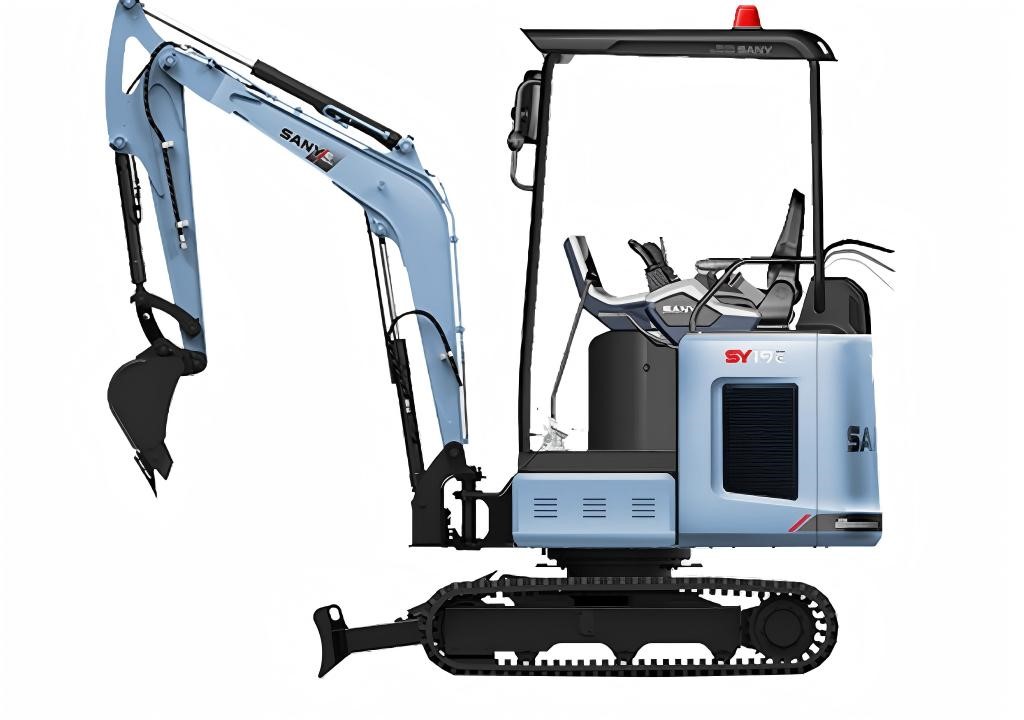
Choosing the correct excavator size impacts productivity, safety, and cost on any construction or earthmoving job. An excavator that is too tiny slows down work and stresses components. One that is overly huge wastes fuel, restricts access, and increases transportation costs. Contractors, project managers, and rental purchasers want a clear way to match equipment size to actual task requirements. This article outlines the important elements that determine excavator size selection, including work type, material, site circumstances, and logistics. Understanding these aspects allows decision makers to prevent overpaying, save downtime, and guarantee the excavator operates efficiently throughout the project’s lifespan.
What Job Requirements Determine the Right Excavator Size?
Type of Work and Application Scope
The nature of the job determines excavator size more than any other element. Trenching for utilities, landscaping, and residential foundations typically requires compact or mini excavators that are precise and easy to move. Road building, quarrying, and large-scale earthmoving require standard or large excavators with increased power and output. Contractors should determine whether the task requires lifting, demolition, grading, or continual digging. Repetitive heavy-duty cycles prefer bigger machines designed to withstand prolonged loads. Smaller units are more cost-effective for lighter, shorter-duration jobs. Matching the excavator size to the application scope ensures balanced performance, controlled wear, and consistent job progress. This alignment helps teams meet timelines without unnecessary machine stress issues.
Digging Depth, Reach, and Bucket Capacity
Excavator capabilities on-site are directly limited by digging depth, reach, and bucket capacity. Each project describes the trench depth, loading height, and dump reach. A machine with inadequate depth necessitates repositioning and delays progression. However, excessive reach or bucket size affects control and efficiency on minor projects. Operators should also consider breakout force and hydraulic performance, which increase with machine size. Bucket capacity should correspond to material volume and vehicle size to minimize underloading or spillage. Comparing manufacturer specs to real task measurements aids in the selection of an excavator that provides optimal cycle times and steady operation. Accurate size reduces delays, increases fuel efficiency, and promotes safer digging techniques on-site.
Material Type and Operating Conditions
The size and configuration of an excavator are influenced by its material and working circumstances. Soft soil, sand, and loose fill enable smaller machines to work efficiently with ordinary buckets. Dense clay, rock, or mixed material necessitates bigger excavators with more breakout power and stronger attachments. Wet, abrasive, or polluted materials also hasten wear, favoring more powerful machinery. Temperature, altitude, and moisture levels all have an impact on engine performance and hydraulic responsiveness. Contractors should determine whether the circumstances necessitate bigger rails, greater counterweight, or specialty buckets. Choosing an excavator sized for the most challenging predicted circumstances lowers strain, limits downtime, and ensures consistent production throughout the work. This strategy preserves components and enhances long-term equipment dependability while under demand on-site.
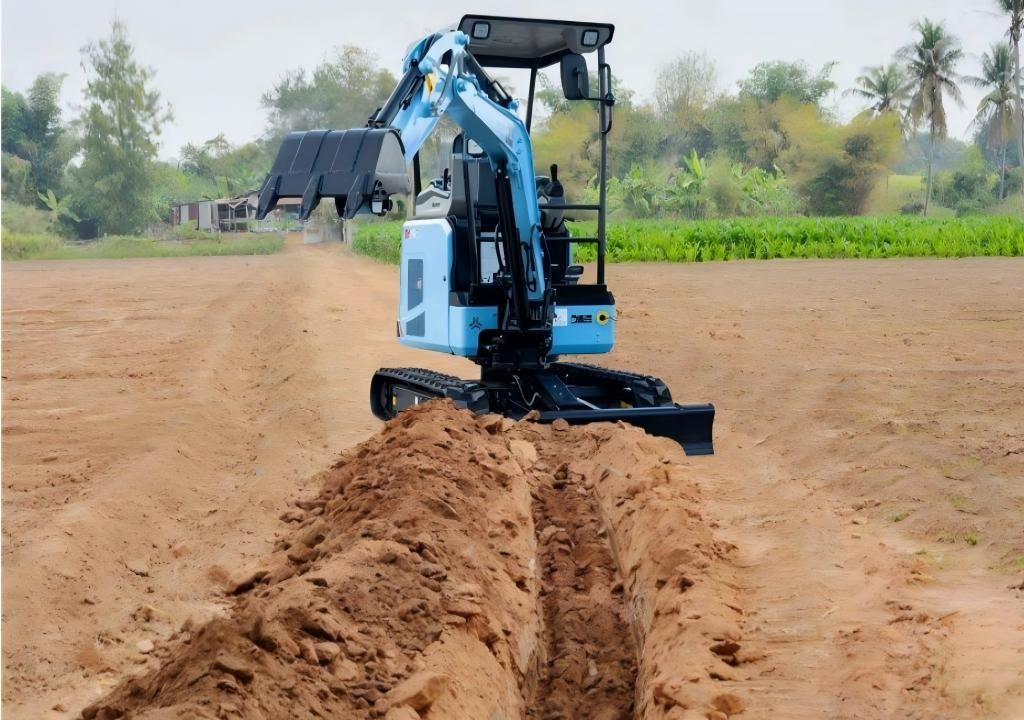
How Does Job Site Environment Affect Excavator Size Choice?
Available Space and Access Constraints
Excavators are frequently sized based on available space and access limits rather than performance requirements. Swing radius, tail swing, and machine width are limited in urban and residential settings, as well as interior projects. Compact or zero-tail-swing excavators allow operators to operate near structures, traffic, or utilities without having to constantly reposition. Narrow roads, gates, and bridges can also impede delivery and setup. Larger machines may provide more output, but they become unworkable if they cannot enter or rotate securely. Evaluating site layout, clearance heights, and turning space ensures that the excavator fits into its surroundings and performs efficiently without causing damage or delays. Early evaluation avoids costly machine swaps and reduces interruption to adjacent operations during active building phases.
Ground Conditions and Terrain Stability
Ground conditions and terrain stability have a direct impact on excavator size selection. Soft, muddy, or uneven terrain diminishes bearing capacity and raises the possibility of sinking or tipping. Larger excavators can distribute weight more effectively, although they may still require broader tracks or ground preparation. Sloped or rocky terrain needs solid undercarriages and adequate machine weight for balancing. Smaller excavators are ideal for completed surfaces with little ground pressure. Contractors should consider soil reports and site slopes while deciding on size. Matching machine weight to terrain increases safety, traction, and overall digging performance. Ignoring these considerations frequently results in delays, repairs, greater danger in on-site operations for staff, and higher equipment lifespan costs.
Transport, Mobility, and Setup Needs
Transport, mobility, and setup requirements all impact practical excavator size considerations. Larger excavators need permits, custom trailers, and greater transportation expenses. Smaller equipment travels more readily between sites, reducing downtime during mobilization. Job duration is also important. Short projects benefit from simple setup and logistics. Frequent repositioning within a site favours lighter excavators with faster travel rates. Contractors should additionally consider assembly time, counterweight installation, and available lifting equipment. Choosing an excavator that meets transport and setup requirements keeps schedules on track, reduces hauling costs, and increases overall project efficiency. This planning process promotes compliance, lowers risk, and prevents unexpected delays during mobilization phases that involve many construction sites and variable scheduling demands.
Conclusion
The optimal excavator size is determined by work requirements, site conditions, and logistics. Before taking into account site access and ground stability, contractors should assess the task scope, material type, and digging performance. Practicality is limited due to transportation and setup constraints. A thorough examination reduces costs for large equipment and productivity losses from undersized machinery. The proper excavator size improves safety, fuel economy, cycle times, wear, and downtime. Teams create consistent results, protect equipment investment, and complete projects on schedule and under budget by aligning machine capabilities to project requirements. Long-term operational performance and better purchasing choices help businesses and contractors worldwide.