
How to Sell New and Used CNC Machines: A Complete Guide
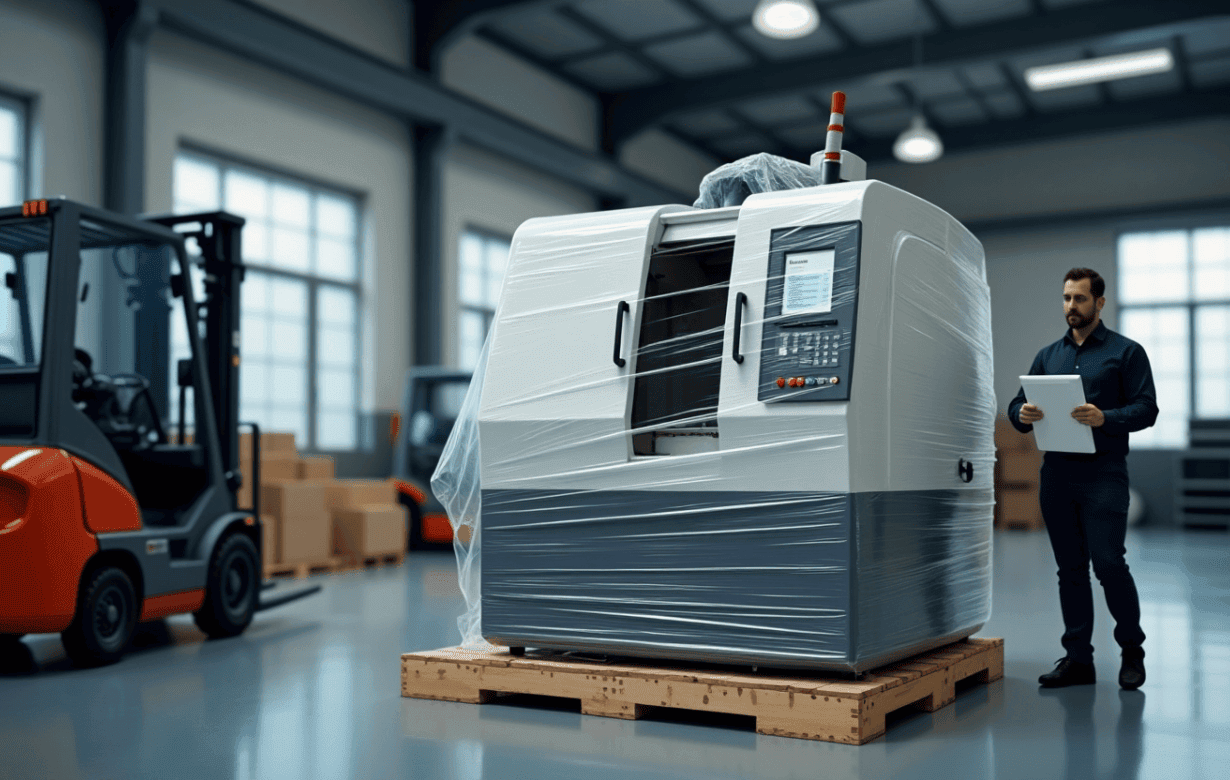
The market for CNC machines continues to grow as manufacturers seek reliable equipment that can improve productivity while controlling costs. Businesses upgrade their machinery for many reasons, including expanding production capacity, replacing aging equipment, or adopting advanced technology. At the same time, many buyers actively search for quality used CNC machines because they offer excellent value without the price tag of brand-new equipment.
Selling a CNC machine, whether new or used, involves much more than posting an advertisement and waiting for inquiries. Buyers want confidence in the machine’s condition, performance, maintenance history, and overall value. Sellers who understand what buyers expect can complete transactions more efficiently while achieving stronger returns.
This guide explains the entire process, from preparing your equipment for sale to finding qualified buyers and closing the deal with confidence.
Understand the Value of Your CNC Machine
Every successful sale begins with understanding what the machine is worth. Setting an unrealistic asking price can discourage potential buyers, while pricing too low may reduce your return unnecessarily.
Several factors influence market value. Machine age is important, but it is only one piece of the puzzle. A well-maintained machine with consistent servicing often commands a higher price than a newer machine that has been neglected. Brand reputation also plays a significant role because many manufacturers have built trust through years of dependable performance.
Specifications matter just as much. Buyers compare spindle speed, axis configuration, control systems, table size, tooling compatibility, and automation capabilities before making purchasing decisions. Machines equipped with modern controls or recent upgrades often attract greater interest.
Market demand also changes over time. Equipment used in growing industries may receive more attention than machines designed for declining production sectors.
Prepare the Machine Before Listing
Presentation influences buying decisions in every industry, and industrial machinery is no exception.
Before creating a listing, thoroughly clean the machine. Remove coolant residue, accumulated chips, dust, grease, and any unnecessary accessories that do not belong with the equipment. A clean machine immediately creates a stronger first impression and demonstrates responsible ownership.
Gather all available documentation, including maintenance records, installation manuals, operating instructions, calibration reports, and service history. Buyers appreciate transparency because it reduces uncertainty.
Working with a trusted marketplace can also simplify the process. Many industrial sellers choose Machine Tool Exchange when they want to sell cnc machine equipment to an audience already searching for manufacturing machinery, helping connect serious buyers with professionally presented listings.
If repairs are minor and inexpensive, consider completing them before advertising the machine. Small improvements often increase buyer confidence and reduce negotiation over price.
Create a Listing That Builds Confidence
An effective listing should answer questions before buyers even ask them.
Start with an accurate machine title that includes the manufacturer, model, year, and primary configuration. Follow this with a detailed description covering technical specifications, operating condition, hours of use, included tooling, software versions, and any upgrades performed during ownership.
Avoid vague statements. Specific information helps buyers determine whether the machine matches their production requirements.
Professional photography is equally important. Capture the machine from multiple angles while ensuring good lighting. Include close-up images of the control panel, spindle area, worktable, electrical cabinet, tooling, and identification plate.
If possible, include a video showing the machine operating. Seeing the equipment in action provides reassurance that it functions properly and demonstrates confidence in its condition.
Know Your Ideal Buyer
Not every buyer is looking for the same type of machine.
Large manufacturers may prioritize production speed, automation compatibility, and long-term reliability. Smaller fabrication businesses often focus on affordability while still expecting dependable performance.
Educational institutions frequently purchase used CNC machines for training purposes. Startups entering manufacturing may also seek pre-owned equipment to reduce initial investment.
Understanding your audience allows you to tailor descriptions, highlight relevant features, and answer questions more effectively.
International buyers may represent another valuable opportunity. Many regions continue expanding manufacturing capabilities and actively import quality CNC equipment from established industrial markets.
Highlight Maintenance and Service History
Maintenance records provide powerful evidence that a machine has been properly cared for throughout its life.
Document scheduled servicing, lubrication routines, spindle maintenance, software updates, alignment checks, and replacement of wear components. Organized records reduce uncertainty and strengthen buyer confidence.
If major components have recently been replaced, clearly explain the work completed. New ball screws, upgraded controllers, rebuilt spindles, or refreshed electrical systems can significantly improve perceived value.
Transparency is always better than attempting to hide issues. Buyers generally appreciate honest disclosure because it helps establish trust during negotiations.
Price Strategically Instead of Emotionally
Many owners base pricing on their original purchase cost or personal attachment to the equipment. Buyers rarely share that perspective.
Research comparable listings and recently sold machines with similar specifications. Compare condition, age, accessories, geographic location, and included tooling.
Leave reasonable room for negotiation while maintaining a price that reflects actual market value. Excessive pricing often leads to longer selling periods and repeated price reductions.
When multiple interested buyers appear quickly, it may indicate that pricing aligns well with market demand.
Respond Quickly to Buyer Inquiries
Professional communication often determines whether a sale progresses.
Buyers typically contact several sellers before making a decision. Delayed responses may encourage them to purchase elsewhere.
Answer technical questions accurately and provide additional photographs or videos whenever requested. If buyers ask about maintenance records, tooling, inspection opportunities, or transportation arrangements, respond with complete information rather than brief replies.
Clear communication demonstrates professionalism and increases confidence throughout the purchasing process.
Arrange Machine Inspections
Serious buyers frequently request inspections before finalizing a purchase.
Prepare the machine so it can be demonstrated under operating conditions whenever possible. Verify that power is available and ensure the equipment can complete sample operations safely.
Inspection visits allow buyers to evaluate machine accuracy, noise levels, spindle condition, axis movement, controller functionality, and overall maintenance quality.
Being cooperative during inspections encourages trust and often shortens the negotiation process.
Plan Transportation Carefully
Selling the machine extends beyond reaching an agreement on price.
Heavy industrial equipment requires specialized transportation, rigging, loading, and unloading. Clearly define which party is responsible for each stage before completing the transaction.
Provide accurate dimensions and weight information to simplify logistics planning. If disassembly is required, document component placement carefully so reinstallation proceeds smoothly.
Experienced rigging professionals reduce the risk of equipment damage during transportation.
Negotiate with Preparation
Negotiation should remain focused on facts rather than emotions.
Buyers may request discounts based on transportation costs, installation expenses, or anticipated maintenance. Evaluate each request objectively while understanding your acceptable minimum price.
Consider the complete value of the transaction rather than only the selling price. Flexible scheduling, included tooling, training assistance, or spare parts may help complete the sale without significant price reductions.
Professional negotiations often create positive outcomes for both parties.
Complete Documentation Properly
Accurate paperwork protects everyone involved.
Prepare detailed invoices describing the equipment, serial numbers, included accessories, payment terms, and transfer conditions. Both parties should clearly understand what is included with the purchase.
Maintain copies of all communication, inspection reports, payment confirmations, and transportation arrangements. Organized documentation minimizes misunderstandings and creates a reliable record of the transaction.
If international shipping is involved, verify export requirements, customs documentation, and applicable regulations before finalizing the shipment.
Build a Reputation for Future Sales
Many industrial companies sell equipment repeatedly as production needs evolve.
A reputation for honest descriptions, transparent communication, and dependable transactions encourages repeat buyers and referrals. Satisfied customers often remember sellers who provided accurate information and professional support throughout the purchasing process.
Maintaining strong relationships within the manufacturing community can create opportunities well beyond a single transaction.
Final Thoughts
Selling new and used CNC machines successfully requires preparation, accurate pricing, honest communication, and careful planning from beginning to end. Buyers invest significant capital in manufacturing equipment, making trust one of the most valuable assets a seller can offer.
Well-presented machines supported by detailed documentation, professional listings, and transparent maintenance records consistently attract stronger interest. When sellers focus on delivering reliable information and a smooth purchasing experience, they position themselves for faster sales and better financial outcomes.
Whether you are upgrading production equipment, reducing inventory, or changing business direction, a thoughtful selling strategy helps maximize value while creating confidence for every potential buyer.