
The Art of the Hearth: Why Scent Is the Final Layer of Interior Design
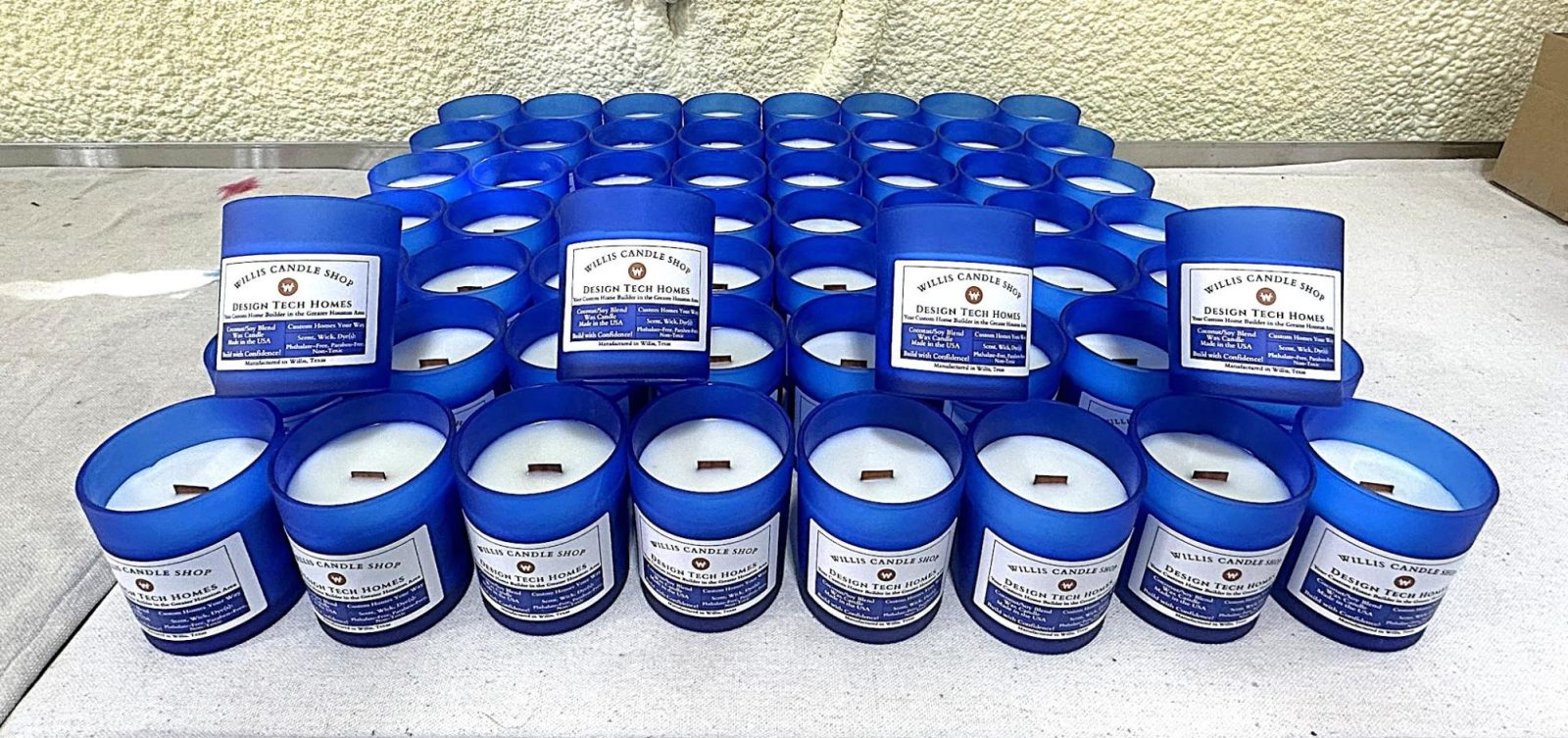
When you stand in a room that feels truly finished, it is rarely just about the furniture. You have likely noticed that the most memorable spaces—the ones that feel like a deep exhale—have a certain quality to them that is hard to pin down. It is not just the rug, the art on the walls, or the way the morning light hits the curtains. It is the atmosphere, that intangible sense of balance that ties the whole room together. For years, we have treated this "invisible layer" of home design as an afterthought, grabbing whatever generic fragrance happens to be sitting on a department store shelf. But if we are being honest with ourselves, that approach is a bit like putting a stunning piece of mid-century furniture in a room with harsh, fluorescent lighting. It just doesn't work. The sophisticated homeowner today is starting to realize that the products we burn in our homes act as a final layer of design, one that has a profound impact on the air quality of the spaces we cherish most. By shifting our focus toward the engineering and intent found at the Willis Candle Shop, we can start to view home fragrance not as a disposable accessory, but as a deliberate part of our home’s architectural integrity.
The standard model of the candle industry, at least the one that has dominated the retail landscape for decades, was built on a foundation of logistics rather than wellness. The vast majority of candles you see in mass-market stores are made of paraffin, a petroleum byproduct that is, effectively, the leftover sludge from the oil refining process. It is a brilliant material for a global corporation because it is incredibly cheap, it holds fragrance exceptionally well, and it is chemically stable enough to sit in a shipping container for six months without melting. But here is the catch: it was never designed for your living room. When that wax burns, it frequently struggles to complete the chemical reaction of combustion. The result is the release of microscopic carbon particulates, which eventually settle on your walls, your ceiling, and your delicate textiles as a faint, grey film. It is a small, quiet problem, but over time, it is the kind of thing that dulls the finish of a home. We spend so much energy scrubbing, organizing, and curating, yet we often unknowingly introduce a source of pollution that actively works against our efforts to keep things pristine.
Then, there is the pivot toward the "all-natural" essential oil market, which, while well-intentioned, often trips over the very laws of physics it claims to respect. The logic seems bulletproof on the surface: nature is safe, so botanical oils must be the superior fuel for a candle. But anyone who has spent time around a flame knows that a candle wick generates extreme heat—often exceeding 2,000 degrees Fahrenheit at the core. Most raw, unrefined botanical extracts are not designed to withstand that kind of thermal stress. When you subject them to that level of heat, they don't burn cleanly; they undergo a violent, rapid breakdown at the molecular level, creating acrid smoke and unpredictable fragrance notes. If you want to lean into the seasonal mood of a Fall & Winter Candle Collection without the chemical headache, you need oils that are engineered to remain stable under pressure. These are not synthetic in the way that makes us wince; they are precision-engineered to hold their molecular structure until they are vaporized, meaning you get the scent as it was intended, rather than the byproduct of a scorched botanical extract.
What we are really talking about here is the difference between a "craft" project and a piece of functional home equipment. The modern, informed homeowner is beginning to look for the latter. We have become scrupulous about the chemical makeup of our floor cleaners and the filtration rating of our HVAC systems, so why should our candles get a free pass? It is time to treat the candle as a combustion engine. When a candle is properly designed, the wax matrix is matched to the wick diameter, and the fragrance load is balanced against the melt pool temperature. Everything works in concert to ensure that the fuel is completely consumed before it can turn into soot. It is the sort of technical balance that results in a cleaner burn, a longer-lasting candle, and, crucially, a room that doesn't feel like it’s been "over-scented" by a chemical bomb. It is about nuance, not intensity.
Consider the psychological impact of this. Your home is where you go to recover from the noise of the outside world. If the air in your home feels "heavy"—even if you can't quite put your finger on why—it is often because your sensory environment is cluttered. Artificial, aggressive scents that are designed to dominate a room are the sensory equivalent of visual clutter. They distract you. A truly well-designed fragrance, burned in a clean-burning base, should act as a backdrop, not the main event. It should be there when you want it, and it shouldn't leave a heavy, lingering presence once the flame is extinguished. That kind of clarity is rare, and it is the hallmark of a home that has been curated with intent rather than just filled with stuff.
At the end of the day, we are all just trying to make our homes feel a little more like a sanctuary. It’s a pursuit that never really ends; we are always tweaking, refining, and shifting things around until it feels *right*. Bringing the science of combustion into your home management routine is just the next step in that evolution. It is about moving away from the mass-market shortcuts and toward a standard that actually respects the health of your indoor environment. When you stop treating the candle as a disposable knick-knack and start treating it as a component of your home's infrastructure, your relationship with your space changes. You become a participant in the atmosphere, not just a bystander. And that, in its own small way, is a pretty powerful feeling. It’s the difference between having a house that you live in, and a home that lives well for you.