
Turning Idle IT Inventory into Working Capital: A Step-by-Step Guide
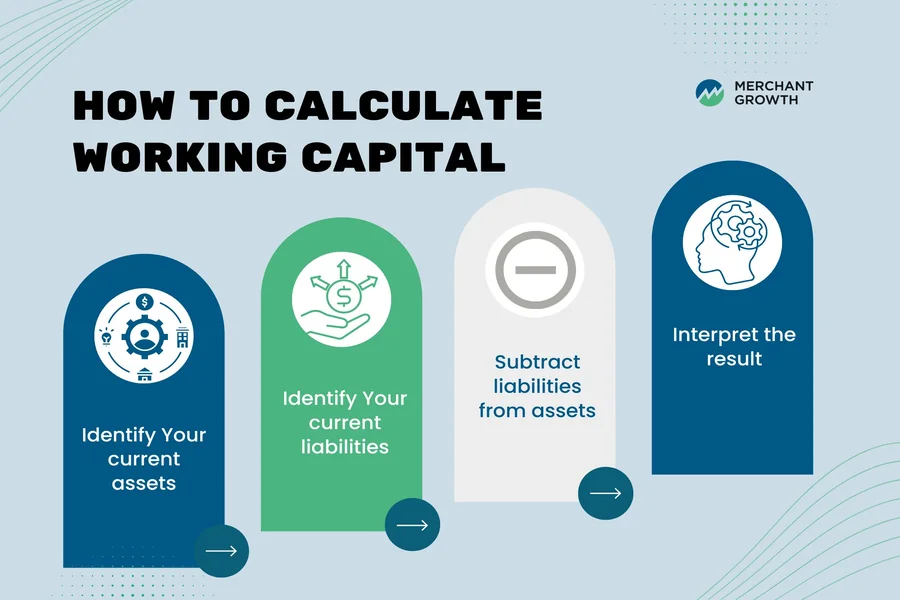
You might be surprised to learn that idle DDR RAM and other IT assets could recover 10-30% of their lifecycle value with proper management.
These assets lose value quickly. After year four, laptops depreciate 2-4% monthly. However, computers under 3 years old sell better because the secondary market just needs newer models.
This pattern repeats in businesses of all sizes. The numbers tell a clear story: 3-year-old devices return about 28% value, 4-year-old devices drop to 18%, and five-year-old devices yield only 12% recovery.
This piece shows you how to turn those forgotten DDR RAM components and idle IT inventory into working capital. We cover everything from identifying valuable items to selecting the right sales channels with useful, practical steps.
What Is Idle IT Inventory and Why Does It Matter
You’ll find them in every organization – forgotten servers collecting dust, unused network switches tucked away in closets, and boxes of obsolete DDR RAM parts sitting in storage. This idle IT inventory drains money in ways most businesses don’t realize.
Idle IT inventory means tech assets that sit unused without making money. This could be extra equipment, old servers, outdated parts, and devices waiting to be thrown out or used again. These sleeping assets aren’t just harmless – they’re actively hurting your company’s finances.
How Unused Devices Affect Your Bottom Line
Money problems from idle inventory go way beyond what meets the eye. Each device that’s just sitting there locks up cash you could use for new equipment or smart business moves.
Industry numbers show these carrying costs eat up about 21% of what you paid for the item each year.
These costs pile up faster across your IT setup:
- Tied-up capital: Money stuck in unused equipment limits what you can do
- Reduced liquidity: Cash trapped in aging assets holds back operations
- Operational costs: Extra time spent keeping track of everything
- Risk of obsolescence: Items lose value but keep costing you money
- Lost opportunity costs: Money that could make returns elsewhere
The real financial hit often hides behind accounting tricks. Companies tend to focus on what they paid upfront without adding up the ongoing costs of keeping idle assets. This creates a false sense that keeping equipment “just in case” makes sense when it’s actually eating into profits.
Companies with big DDR RAM stockpiles face an especially tough challenge. Memory parts lose value quickly, but can still bring in money when handled right.
The Hidden Cost Of Storing Old Hardware
Idle IT inventory creates many sneaky expenses that add up to drain your resources, beyond the obvious money problems.
Just storing this stuff takes up space – about 15% of office space in many companies. That space isn’t free. You’re basically paying rent for your old equipment.
Security becomes another costly headache. A whopping 68% of data breaches start with old, vulnerable systems. Each stored device without proper data wiping could lead to a breach.
Power bills go up, too. Devices on standby can use up to 10% of your total office energy. These power-hungry items quietly bump up your bills year after year.
Storage conditions play a big role. Hardware breaks down in poor storage – batteries die, seals crack, and parts get dusty. When you finally use the equipment again, it needs extra repairs, adding more costs.
Insurance costs more as the stored equipment value goes up. Data protection rules like GDPR make things worse – equipment with customer data becomes a serious liability.
Paperwork piles up as well. Companies waste time tracking assets, doing inventory counts, and managing equipment that brings no value. Deloitte found that companies spend about 55% of their tech budgets just keeping old systems running.
The biggest hit? Lost opportunities. Every dollar stuck in old equipment could help your business grow instead. Over time, this holds back new ideas and makes it harder to stay competitive.
Getting rid of idle IT inventory isn’t just about clearing space – it’s about freeing up money and cutting hidden costs that quietly eat away at your profits.
How Companies Lose Value on Idle IT Assets
Companies throw away 40-60% of recoverable value from their IT assets by making three common mistakes. This hidden drain affects everything from servers to DDR RAM components. Let’s get into how this happens.
Delayed Decommissioning And Storage Issues
Equipment loses value the longer it sits unused. A laptop’s resale value drops 2-4% each month after year four. New technology in the market speeds up this decline as older models flood resale channels.
DDR RAM modules in storage tell a similar story. These components lose value fast, yet could bring good money if sold quickly.
Many organizations fall into this trap:
- Equipment sits unused for months
- Storage areas become messy
- Chain-of-custody visibility disappears
- Value slips away month after month
Storage costs add up beyond lost resale value. Companies waste money on physical space that could serve better uses. IT teams spend time tracking and managing unused equipment. Improperly stored hardware often gets damaged, which cuts into recovery value even more.
Security risks make things worse. Untracked hard drives in storage create serious data breach risks. Your company’s sensitive information stays at risk without clear sanitization processes.
Lack Of Residual Value Assessment
Most organizations don’t know their retired equipment. Good equipment ends up recycled instead of resold because nobody checked its value.
This lack of knowledge creates several expensive mistakes:
- Underestimating value: Assuming equipment has reached end-of-life too soon
- No market awareness: Not knowing the current demand for specific components
- Incomplete documentation: Missing paperwork that proves maintenance history
- Poor condition management: Letting cosmetic damage cut resale value
Residual value shows what an asset might be worth in the future based on fair market or liquidation views. You should factor in equipment type, condition, age, and market trends. Companies leave money on the table without an accredited appraisal.
DDR RAM is a good example of how valuable hardware is often overlooked. Many companies assume these components have little to no resale value, when specialists like Big Data Supply can often help recover meaningful returns from them. With the right evaluation, idle memory can become working capital instead of unused inventory.
Using The Wrong Resale Or Recycling Channels
The last mistake shows up when companies pick the wrong way to sell or recycle. Many recyclers lack the expertise and market connections to get the best prices.
Regular recyclers focus on getting basic materials rather than reselling. They pull out metals but miss the chance to make more money through refurbishment and resale. Specialized ITAD providers with strong sales channels can make a lot more by selling straight to end-users instead of going through middlemen.
Not all partners deliver the same results. Companies often pick partners just because they’re convenient, not because they’re certified or capable. This leads to lost money and possible compliance problems. Non-certified recyclers might skip proper data protection documentation, creating security risks and financial losses.
Market timing affects how much you can recover. Companies that process equipment on fixed schedules instead of watching market demand usually get less money back. Waiting too long hurts value, but rushing without preparation also cuts into what you could make.
Staff treatment of retired devices also matters. Missing parts, obvious damage, and poor appearance all cut into recovery value. People often treat these devices like trash instead of valuable assets that deserve careful handling.
Step-by-Step: Turning Idle IT Into Working Capital
Getting cash for your unused IT assets isn’t complicated. You just need a systematic approach. Here’s a five-step guide to get the most value from your idle DDR RAM and other IT equipment.
Step 1: Identify Residual Value
The right valuation helps you decide whether to resell, harvest parts, or recycle your equipment.
A professional assessment looks at several key factors:
- Make, model, and age of equipment
- Technical specifications and configuration
- Physical condition and cosmetic appearance
- Current market demand
- Original documentation and packaging
Specifications play a crucial role for components like DDR RAM. Server RAM modules typically hold their value longer than consumer-grade memory. Companies that stick to consistent hardware standards throughout their lifecycle can get 20-30% better recovery values.
Step 2: Choose The Right Disposition Path
After assessing the value, match each device to its best channel:
- Resale – For equipment in good condition with market demand.
- Refurbishment – When minor repairs will substantially boost value.
- Parts Harvesting – Extract valuable components (like DDR RAM)
- Donation – For equipment with limited resale value but functionality
- Recycling – As last resort for truly end-of-life devices
Your chosen path directly affects your bottom line. You’ll lose all potential revenue if devices go to recycling instead of remarketing. Large organizations might benefit from using multiple disposition paths at once.
Step 3: Ensure Secure Data Wiping
Data security must come first throughout the recovery process. Every data-containing device needs proper sanitization before it leaves your control.
Deleted files or reformatted drives can still expose your data to recovery.
Good sanitization requires:
- Serialized chain-of-custody tracking
- NIST 800-88 compliant data wiping
- Certificate of data destruction for each device
- Option for physical destruction of highly sensitive media
Professional sanitization software makes all data unrecoverable while keeping device functionality intact. This lets you sell equipment at better prices than if you had shredded it.
Step 4: Move Equipment Quickly
Time is money when it comes to value. Equipment loses 2-4% of its worth monthly after year four.
Several things speed up this value loss:
- Market demand changes fast, especially after new product launches.
- Storage can damage physical condition – batteries wear out, components get dusty, and cosmetic issues pile up.
- Missing documentation further cuts resale potential.
- Most ITAD providers take 45-60 days to process, but the best ones finish in about one business week. This timing gap makes a real difference in your recovery value.
Step 5: Capture Reporting And ROI
Good documentation proves compliance and measures financial returns.
Effective reporting needs:
- Serialized audit trails for each asset
- Certificates of data destruction
- Environmental impact metrics
- Financial recovery documentation
Industry inventory accuracy averages around 85%, so companies often miss the full value through incorrect tracking. AI-powered tracking achieves over 99.7% accuracy, eliminating human errors that reduce resale chances.
These records help calculate the true ROI of your IT asset recovery program. They give you solid data for future budget talks and prove that your idle DDR RAM and other components have become valuable working capital instead of expensive storage problems.
Conclusion
Many businesses miss out on a major financial opportunity by ignoring their idle IT inventory. Those forgotten DDR RAM modules and obsolete servers still hold substantial value.
Companies can recover 10-30% of their original investment when they tap into this rich source of value, and they can reduce storage costs and security risks at the same time.
Time plays a vital role in this process. You lose 2-4% in potential returns with each month of delay. A systematic approach to IT asset recovery is needed to maximize value. Anyone can implement the five-step process outlined above as a practical guide.