
What Maintenance Does a Home Battery Backup Actually Need?

A home battery backup remains reliable only when homeowners understand the type of maintenance it requires—not as guesswork, but as a clear routine that keeps the system ready for outages, solar charging, or high-demand appliances. Unlike fuel generators, battery backup systems are cleaner, quieter, and generally require less hands-on upkeep. However, they still benefit from regular monitoring, software updates, and basic environmental care. Modern modular systems such as 2× Anker SOLIX F3800 Plus paired with the Smart Home Power Kit illustrate how maintenance becomes simpler with remote controls, automated storm-response charging, and durable EV-grade batteries. To determine what upkeep truly matters, you need to understand the components, the operating conditions, and the system’s long-term performance expectations.
Maintenance That Protects Daily Readiness
Monitoring the System Through Smart Controls
Home battery backup systems rely heavily on software and internal management tools to stay healthy. Remote monitoring through an app allows homeowners to check battery percentage, charging status, and operating mode without needing to access the hardware repeatedly. With units such as the F3800 Plus, users can see real-time charging or discharging activity, verify whether solar or AC input is active, and confirm that expansion batteries are communicating correctly. Frequent observation—done digitally—helps detect irregularities early. You can catch unusual discharge rates, confirm that solar input remains consistent, and verify that dual-voltage output cycles are working as expected. Smart oversight replaces traditional mechanical inspections and keeps everyday operation smooth.
Caring for the Battery Environment
Battery chemistry performs best when kept in a stable environment. This does not require special tools or complex routines. Homeowners simply ensure that the backup system is placed in a cool, dry area with adequate airflow. Dust buildup should be wiped away occasionally to prevent vents from clogging and to avoid heat pockets during heavy load cycles. Because the F3800 Plus uses long-lasting EV-grade batteries, thermal stability is strong, but the environment still matters. Seasonal temperature swings also influence battery performance, making it important to avoid exposing the system to direct sunlight, freezing conditions, or excessive humidity when possible. Small environmental checks can significantly extend system lifespan.
Ensuring Solar and Charging Inputs Stay Reliable
Solar-powered charging plays a key role for many home battery systems. Solar inputs, connectors, and cables must stay clean and secure. Homeowners should periodically inspect solar panel wiring for wear or loosened connectors, especially after storms. Keeping panels free of debris ensures the system can reach its maximum 3,200W solar input for faster recharging. For homes using the Home Power Panel with automatic extreme-weather charging notifications, part of maintenance also means confirming that automated settings remain enabled. Proper charging sources—solar, home AC, or generator input—must remain consistent to keep batteries fully prepared long-term. Attention to charging pathways prevents downtime and eliminates avoidable faults.
Maintenance That Maximizes Long-Term Lifespan
Updating Firmware and System Software
Battery systems rely on firmware to manage charging, discharging, load balancing, and temperature control. Manufacturers often release updates that improve efficiency, safety, or compatibility with new home power accessories. Installing updates helps maintain the system’s longevity and ensures it can respond correctly to various loads, from refrigerators to central AC. F3800 Plus system updates are managed through the Anker app, making the process simple. As battery technology evolves, firmware often becomes a key component in extending operational life and improving response during outages. Users who apply updates promptly benefit from smoother operation over the system’s 10+ year expected lifespan.
Maintaining Expansion Batteries and Plug-and-Play Connections
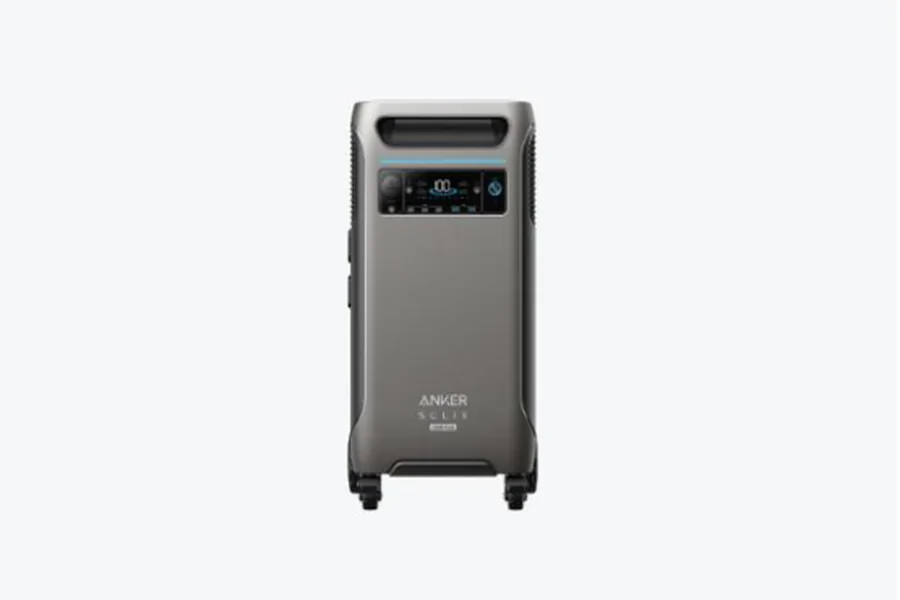
Modular systems allow capacity to scale from small to large backup configurations. Regular maintenance includes checking that expansion batteries stay securely connected and operational. Plug-and-play systems make this process straightforward: no electrician is required to expand beyond the base 3.84 kWh capacity. Homeowners should verify that cables sit properly and that batteries charge evenly. As the system grows to potentially 53.8 kWh, confirming communication among modules ensures energy flows efficiently during an outage. Balanced charging across the system protects battery health and prevents strain on individual units. This simple check helps keep the entire backup ecosystem functioning reliably.
Running Occasional Functional Tests
Even though battery systems do not need oil changes, engine tuning, or fuel stabilization, they still benefit from operational testing. Turning the system on every few weeks confirms that the battery holds charge, the inverter functions properly, and the switching to backup mode works without delay. Testing also verifies that appliances run smoothly on the 120V/240V output and that peak loads remain within the system’s 6,000W capability per unit. For homes relying heavily on the system for medical devices or continuous electronics, functional testing provides peace of mind. It ensures that, when an outage occurs, the backup power system performs instantly.
Conclusion
Home battery backups require far less maintenance than fuel-based generators, but they still benefit from consistent oversight and simple upkeep. Routine practices include checking system data through the app, maintaining a stable operating environment, ensuring clean and secure solar and charging connections, installing firmware updates, verifying expansion battery links, and performing occasional functional tests. Systems such as the 2× Anker SOLIX F3800 Plus with the Smart Home Power Kit illustrate how modern design reduces maintenance while improving reliability through automation, EV-grade durability, and multi-source charging. With thoughtful attention and periodic checks, a home battery backup can deliver strong, dependable performance for a decade or more, keeping households prepared for outages and energy demands year-round.