
Neem Soap: Dermatologist Guide to Antibacterial Bathing
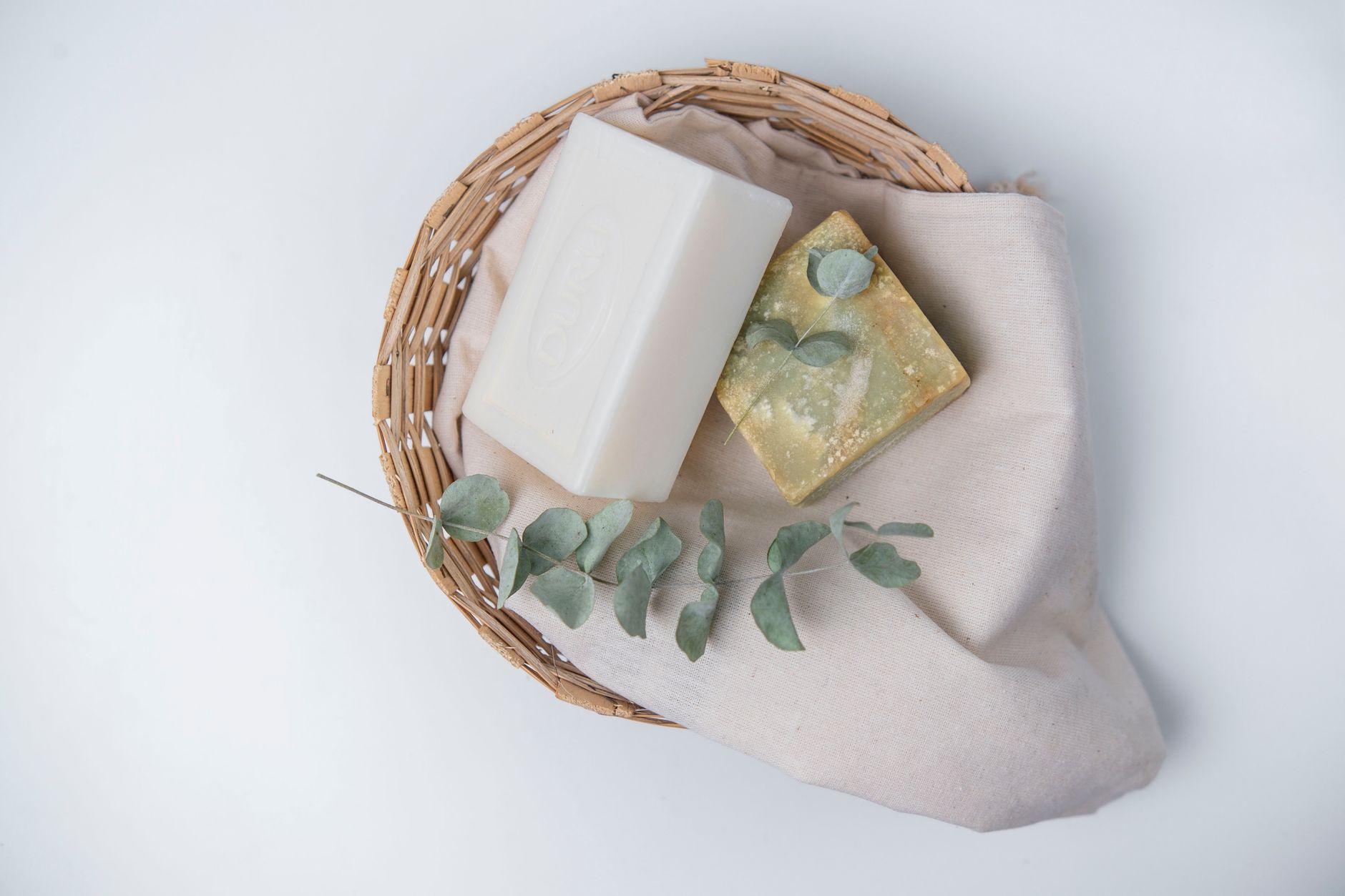
Neem is the versatile ingredient of ayurvedic care. It has been popularly called the village pharmacy. Being used since a long time it has taken a place in modern skincare as well. This natural ingredient contains so many benefits. This botanical plant also named Azadirachta indica has been used since ancient times and almost every part of it provides benefits from seeds to leaves. It is an ideal ingredient to be included for general body wellness and care.
Neem provides a number of benefits. Amongst which one of the most prominent is its antibacterial properties. Neem possesses a great deal of antibacterial action due to the presence of various bioactive compounds. Along with it also helps in clearing out the impurities like dirt, sebum and sweat from the skin effectively. This creates a well balanced neem soap.
Due to a sudden switch from modern cleansers the demand for natural ingredient based soaps has increased a lot. Using an antibacterial soap helps a lot for daily cleansing and prevents infections. So neem becomes the most suitable fit for antibacterial soaps. It has a gentle and effective cleansing which is widely recommended by dermatologists.
Neem’s antibacterial profile
Neem is a herbal botanical plant named Azadirachta indica. Neem has been an essential ingredient for general wellness in India for a long time. It possesses a great deal of antibacterial bacterial properties which are provided by various bioactive compounds. Nimbin, nimbidin, azadirachtin and gedunin all are primary terpenoids present in neem. These bioactives are the reason behind neem’s active antibacterial action.
They provide antifungal, antimicrobial and anti-inflammatory properties. All these help in making neem a better choice of antibacterial cleanser. Moreover, neem contains other bioactives like quercetin, oleic acid, linoleic acid and palmitic acid. They provide an antioxidant feature along with protecting the skin barrier. It also helps in repairing the damaged barrier of the skin.
Benefits of using a neem soap
- Neem contains antibacterial action which works by damaging the cell walls of the bacteria which kills them. It also acts as a protective shield against bacterial infections. This provides an overall antibacterial action. It also provides defense from eczema causing bacterial infections.
- Neem also provides a protection from fungal infections. It does so by penetrating the cell walls of the yeast and then damaging the lipid membranes which kills the yeast infection. This helps in preventing any kind of rash or infection due to fungus.
- Neem soap does not disrupt the skin barrier. It helps in cleansing the impurities from the skin without causing any damage to the barrier. The fatty acids of neem help in repairing the damaged barrier as well. Also neem has vitamin E which also supports a healthy skin barrier.
- The antioxidant nature of neem helps in neutralizing the free radicals from the skin. These radicals get deposited on the skin due to UV exposure and pollution and release toxins. Neem helps in getting rid of them.
- Neem soap helps in reducing the inflammation from the skin. It helps in reducing the redness, swelling or itching on the skin which might occur due to bacterial or fungal acne.
- Along with potent antibacterial properties neem soap helps a lot in cleansing the impurities like dirt, pollution and more. It also helps in regulating the excess sebum level from the skin because it also serves the purpose of an astringent.
- Neem based soap when applied on the skin produces soft lather. This provides a refreshing and hydrating feel to the skin. This helps a lot in soothing the skin. It makes the best soap for dry skin.
- If formulated with right supporting ingredients this soap along with antibacterial action could also serve the purpose of a skin brightening soap.
Why is a neem antibacterial soap better?
Majority of the soaps present in the market use harsh antibacterial or antimicrobial ingredients to get rid of bacterial infections. Neem on the other hand has a list of bioactive compounds which serve the antibacterial action without causing any skin irritation and harsh cleansing on the skin. The active compounds help majorly in dealing with the bacterial, fungal or microbial infection.
The harsh ingredients in marketed antibacterial soaps could damage the skin barrier and strip the moisture away from the skin. This leads to even more sebum production on the skin. So these soaps might become unsuitable. Whereas neem soaps are gentle and they contain bioactives which support the skin barrier.
How to use antibacterial soap?
For using an antibacterial soap regularly you can
- Firstly wash your body with water
- Then take the soap and rub it to produce lather
- Gently apply this lather on your body using a loofah
- Massage thoroughly
- Rinse off with water
Last thoughts
Neem is a powerful ancient ingredient known for its antibacterial properties majorly. It helps in dealing with fungal, microbial and bacterial infections. Neem based glycerin soap helps in providing a gentle and safe cleansing without use of harsh surfactants. Along with reducing bacterial action neem soaps also help in preventing infections and supporting skin barrier.