
The Myth About Sterling Silver Most Buyers Still Believe
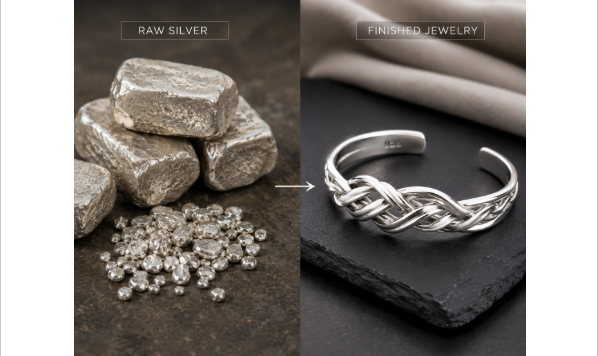
There’s a persistent idea floating around that pure silver and sterling silver are basically the same thing, just marketed differently. It sounds reasonable on the surface, but it’s actually one of the most common misunderstandings people carry into jewelry shopping. This myth leads buyers to make decisions based on false assumptions, sometimes overpaying for something labeled pure when it isn’t practical for everyday wear, or dismissing sterling silver as somehow less valuable simply because it isn’t 100 percent silver.
Getting a clearer picture of what sterling silver actually is, especially when sourced through a trusted 925 sterling silver jewelry china supplier, helps buyers make far smarter choices.
Where This Myth Comes From
Part of the confusion comes from how the word silver gets used casually in everyday conversation. People say silver jewelry without thinking much about purity levels, the same way someone might say gold jewelry without specifying karats. Because of this, many buyers assume all silver jewelry is essentially interchangeable, when in reality, purity levels can vary significantly and directly affect how a piece performs over time.
Another reason this myth sticks around is that pure silver sounds inherently better simply because of the word pure. It creates an impression of higher quality, even though pure silver on its own isn’t practical for jewelry that needs to survive daily wear.
Why Pure Silver Isn’t Actually Better for Jewelry
Pure silver, often labeled as fine silver, is soft. Extremely soft, in fact, especially compared to metals typically used in jewelry making. This softness makes it prone to bending, scratching, and losing its shape faster than most people would expect from something marketed as premium quality.
This is exactly why sterling silver exists in the first place. By blending pure silver with a small percentage of other metals, usually copper, manufacturers create an alloy that keeps much of silver’s natural beauty while adding the strength needed for rings, bracelets, and other pieces that get handled and worn regularly. Far from being a lesser version of silver, sterling silver is actually the more practical and durable choice for jewelry.
The 925 Stamp Explained
This is where the number 925 comes into play. It represents the percentage of pure silver in the alloy, specifically 92.5 percent, with the remaining 7.5 percent typically made up of copper or similar metals. This stamp isn’t a marketing gimmick or a way to disguise lower quality. It’s an internationally recognized standard that tells buyers exactly what they’re getting.
Understanding this stamp can completely change how someone shops for silver jewelry. Instead of assuming higher purity automatically means better quality, buyers start to understand that the right balance of purity and durability is what actually makes a piece worth owning long term.
Why This Myth Costs Buyers Money
Believing pure silver is always superior can lead to poor purchasing decisions. Some buyers end up avoiding sterling silver altogether, assuming it’s a cheaper, lower quality alternative, when in reality it often outperforms pure silver in everyday situations. Others might overpay for pieces marketed as fine silver without realizing how impractical that softness can be for something like a ring worn daily.
This misunderstanding can also affect resale expectations. Buyers sometimes assume pure silver holds more value simply because of its purity percentage, without factoring in that sterling silver’s durability often makes it a more practical long term investment, especially for pieces meant to be worn regularly rather than stored away.
Tarnishing Isn’t Exclusive to Sterling Silver
Another related misconception is that sterling silver tarnishes because it isn’t pure, while fine silver somehow avoids this issue entirely. In truth, both types of silver can tarnish under the right conditions. Tarnishing happens due to exposure to elements like sulfur in the air, moisture, and certain skin chemistry, not simply because a metal isn’t 100 percent pure.
Proper care, like storing jewelry properly and avoiding excessive exposure to moisture, plays a much bigger role in preventing tarnish than purity level alone. This is another example of how surface level assumptions about silver can lead buyers to draw the wrong conclusions.
What Buyers Should Actually Look For
Instead of focusing solely on purity percentages, buyers benefit more from paying attention to craftsmanship, sourcing, and the reputation of the manufacturer behind a piece. Well made sterling silver jewelry, produced with proper alloy ratios and quality finishing techniques, often outlasts and outperforms jewelry marketed simply as pure silver.
Checking for the 925 stamp is a good starting point, but understanding what that stamp represents matters just as much. It signals a deliberate, standardized approach to creating jewelry meant to last, rather than something inferior to pure silver.
Changing the Way You Think About Silver Jewelry
Once buyers understand the reasoning behind sterling silver’s composition, the old myth starts to lose its grip. Sterling silver isn’t a compromise or a lesser alternative to pure silver, it’s a thoughtfully engineered material designed specifically to handle the demands of everyday jewelry. Recognizing this shifts the entire buying decision from assumption based thinking to informed, practical choices.
Final Thoughts
Myths like this one tend to stick around simply because they sound logical at first glance. But once you understand the actual difference between pure silver and sterling silver, it becomes clear why sterling silver remains the preferred choice for jewelry meant to be worn, not just admired from a display case. Knowing this not only helps buyers avoid common misconceptions, it also leads to smarter, more confident purchasing decisions going forward.