
Gran Canaria Is Better When You Leave the Beach for a Day
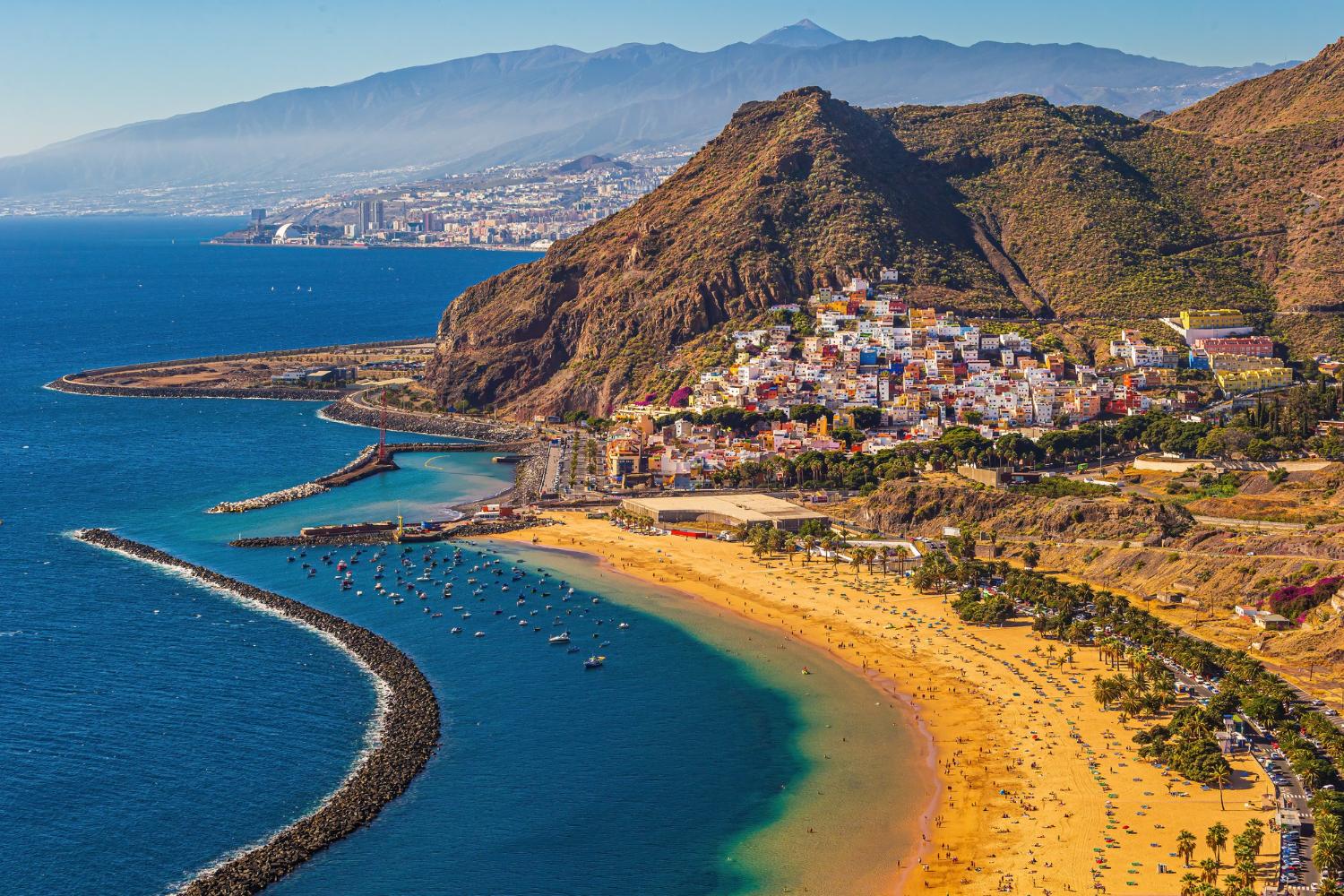
Gran Canaria is often sold as an escape from winter: book a resort, find a sunbed, and enjoy temperatures that feel pleasantly unfair to everyone back home. There is nothing wrong with that plan. A few quiet days beside the Atlantic can be exactly what a vacation needs.
The mistake is assuming that the southern resorts represent the entire island.
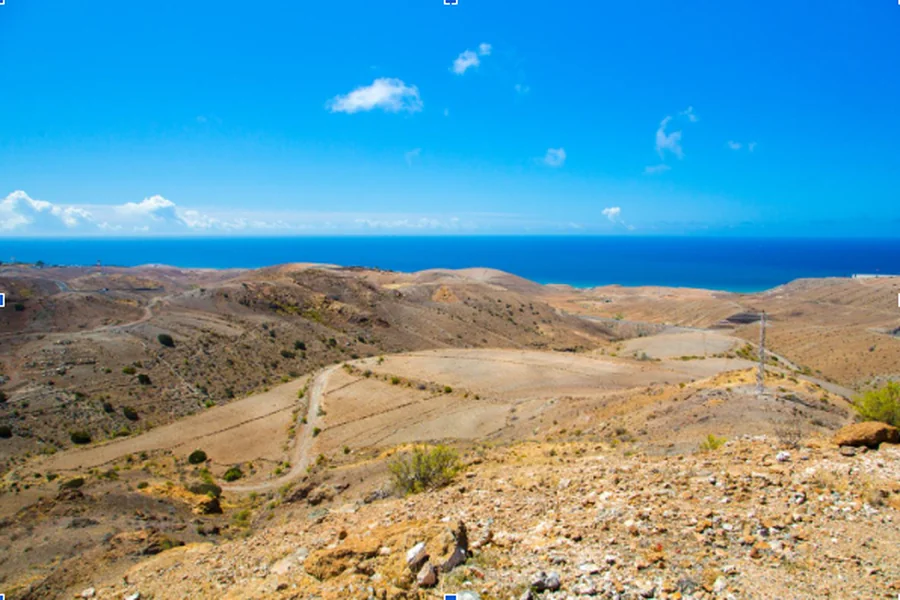
Beyond the hotel zones, the scenery changes quickly. Dry coastal plains give way to ravines, pine-covered slopes, volcanic rock formations, and mountain villages where lunch may last longer than expected. Conditions can also differ noticeably between the coast and the central highlands.
That variety makes Gran Canaria more than a reliable place to warm up in January. It suits travelers who enjoy contrast: a swim in the morning, a mountain road after breakfast, and dinner in a town far removed from the resort promenade.
The Island Changes Faster Than the Map Suggests
Gran Canaria looks compact on a screen. This creates a planning illusion: three places appear close together, so surely they will fit into one afternoon.
Then the road begins to climb.
In the interior, routes twist around steep slopes and deep ravines. A journey of 30 miles can take far longer than the same distance on a mainland highway. Add a viewpoint, coffee stop, and parking search, and the “quick drive” has consumed half the day.
Travelers comparing Gran Canaria attractions should therefore think beyond the number of pins saved on a map. A useful starting point is this first-hand overview of beaches, mountain villages, viewpoints, and inland stops, which shows how different one part of the island can feel from another.
One rule works well: choose one main destination for each half-day. Combine a morning around Maspalomas with an unhurried afternoon nearby, rather than squeezing in a mountain hike and northern town before dinner.
A Beach Holiday and an Active Trip Can Share the Same Week
Travelers often plan in extremes. Either they stay beside the pool for seven days, or they build an exhausting schedule that begins before sunrise and ends with another hour behind the wheel.
Gran Canaria rewards a middle ground.
A simple seven-day plan could include three coastal days, two inland outings, one visit to Las Palmas, and one open day. That spare day can absorb poor mountain visibility, tired legs, or the spontaneous decision to stay longer over lunch.
The same structure works for different types of visitors. A couple interested in food and historic towns may spend more time in the north, while a family might favor shorter walks and beaches with easy facilities. The point is not to follow a rigid schedule but to avoid turning every day into a race across the island.
This approach also makes a Gran Canaria itinerary easier to adjust. When one day has a single clear purpose, changing the plan because of weather or energy levels becomes much simpler.
A good schedule leaves enough space for the island to surprise you.
Choose Your Base According to Your Mornings
Accommodation is often selected by looking at the evening: sea view, restaurants nearby, perhaps a pool. A more useful question is what you want to do after breakfast.
Staying in the south suits travelers who prioritize beaches, easy evenings, and established tourism services. It can also work for day trips, although repeated drives into the mountains or toward the north soon add up.
Splitting the stay may help visitors planning several inland excursions. Four nights near the coast followed by two or three nights elsewhere can reduce backtracking. The downside is another round of packing and check-in.
For many people, one base remains the better choice. The trick is to be selective. Driving two hours for one famous photo spot rarely feels worthwhile when a similar viewpoint or village lies closer.
This is where honest planning improves Gran Canaria travel. Build the trip around the mornings you genuinely expect to have, not the energetic version of yourself who appeared while browsing maps at home.
Coastal Weather Does Not Describe the Whole Island
A forecast beside a southern beach may show warm, clear conditions while the highlands are cooler, cloudier, or windier. Gran Canaria’s microclimates help explain its varied landscapes, but they also catch underprepared visitors off guard.
Keep a light layer in the car, carry water, and wear suitable shoes for uneven trails. Sneakers may be fine for a paved viewpoint; they are a poor substitute for supportive footwear on steep or loose ground.
This matters when researching a Canary Islands vacation through generic package listings. Resort descriptions explain pools and breakfast buffets but rarely mention conditions several thousand feet above sea level.
Tip: Check the mountain forecast separately. A few seconds of preparation can prevent a chilly, shortened outing.
The Best Trip is Not the One With the Most Stops
There is a particular kind of vacation fatigue that comes from seeing plenty but experiencing very little. You arrive, park, take a photograph, and leave because the next pin is already waiting.
Pick fewer places and give them time. Walk beyond the first viewpoint. Sit down for lunch instead of eating in the car. Leave room to follow a road simply because the landscape looks interesting.
A winter beach break remains a perfectly good reason to visit. Just do not let the sunbed become a boundary. One well-planned day beyond the resort may become the part of the vacation you remember longest.