
Bathroom Remodeling Lessons Homeowners Learn Too Late
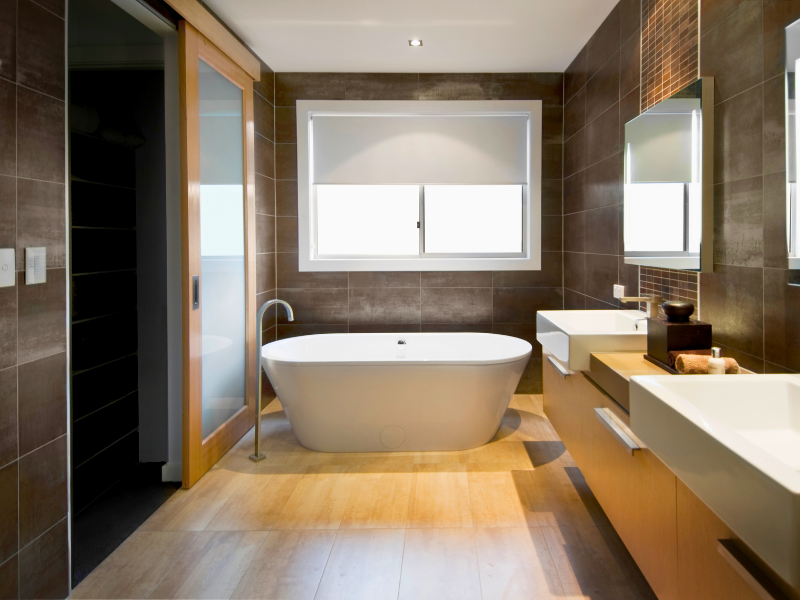
Ask homeowners what they would do differently after a bathroom remodel, and you’ll often get surprisingly honest answers.
Not because the project failed. Most renovations turn out well.
The reality is that living with a bathroom every day teaches lessons that are difficult to learn during the planning phase.
Before construction starts, most homeowners focus on what they can see. They compare tile samples, debate vanity styles, browse fixture collections, and spend hours looking at paint colors online. Those decisions are important, but they are rarely the things people talk about a year after the renovation is complete.
Instead, the conversation shifts toward functionality. Is there enough storage? Does the lighting work well in the morning? Is the shower easy to clean? Does the layout support daily routines? Those practical details often have a much bigger impact on long-term satisfaction than homeowners initially expect.
For anyone considering bathroom remodeling in Reading, MA, understanding these lessons before construction begins can help avoid common regrets and lead to better decisions from the start.
Lesson #1: Storage Is Almost Always More Important Than Expected
One of the most common comments homeowners make after a renovation is surprisingly simple:
“I wish we had planned more storage.”
This happens even in bathrooms that technically have cabinets and drawers.
The issue is usually not the amount of storage. It’s how usable that storage is.
During consultations, contractors frequently see the same problem. Countertops become crowded because everyday items don’t have convenient places to go. Electric toothbrushes, skincare products, medications, hair tools, and cleaning supplies slowly take over the room.
According to Houzz’s U.S. Bathroom Trends Study, storage remains one of the most requested improvements among homeowners planning bathroom renovations. The reason is obvious once you live with a bathroom every day.
Good storage makes the room feel organized. Poor storage makes even a beautiful renovation feel frustrating.
Lesson #2: Bigger Features Don’t Always Create Better Bathrooms
Social media has created the impression that every bathroom needs an oversized shower, a massive vanity, or a freestanding tub.
In reality, bathrooms work best when the entire room is balanced.
A larger shower may require sacrificing storage.
A bigger vanity may restrict circulation.
An oversized feature can dominate a room that was never designed to accommodate it.
One homeowner may gain six extra inches of shower space and lose comfortable movement throughout the rest of the bathroom. That’s not always a good trade.
The most successful remodels aren’t focused on maximizing individual features. They’re focused on creating a room that functions well as a whole.
Lesson #3: Lighting Affects Everything
Lighting is often treated as a finishing detail.
Experienced remodelers know it’s much more important than that.
Poor lighting creates problems that homeowners notice every single day. Shadows around mirrors, dark corners, uneven brightness, and uncomfortable morning routines all reduce the overall experience of using the room.
The American Lighting Association consistently recommends layered lighting for residential bathrooms because different tasks require different types of illumination.
A bathroom may look beautiful in photos, but if the lighting doesn’t support everyday use, homeowners will notice that long after the renovation is complete.
Lesson #4: Easy Maintenance Becomes More Valuable Every Year
Every bathroom looks great when construction is finished.
The real test begins later.
How difficult is the shower to clean?
Do grout lines require constant attention?
Does the tile show every water spot?
Can surfaces be maintained without special products?
Many homeowners discover that low-maintenance materials provide more long-term value than highly decorative options that require constant upkeep.
This doesn’t mean design should be boring.
It simply means maintenance deserves consideration during the planning process.
Lesson #5: Layout Problems Don’t Fix Themselves
One of the biggest misconceptions in remodeling is that new finishes automatically solve old frustrations.
They don’t.
If the original bathroom had circulation issues, replacing the vanity and tile won’t necessarily improve the experience.
Contractors often encounter bathrooms that look completely updated but still feel awkward because the layout never changed.
The room may be attractive.
It just doesn’t function any better than before.
That’s why layout planning frequently delivers more value than homeowners realize.
Lesson #6: Ventilation Protects the Entire Investment
Most people don’t get excited about exhaust fans.
They should still pay attention to them.
Bathrooms generate significant moisture. Without proper ventilation, that moisture can contribute to peeling paint, premature material wear, persistent humidity, and indoor air quality concerns.
The EPA continues to emphasize the importance of moisture control in residential environments because excess humidity affects both building materials and occupant comfort.
Ventilation isn’t a luxury feature.
It’s part of protecting the renovation itself.
Lesson #7: Trends Age Faster Than Most People Expect
Every few years, certain bathroom trends dominate magazines, social media feeds, and renovation shows.
Some remain popular for a long time.
Many don’t.
Homeowners who focus exclusively on what’s trendy often discover that their bathroom begins feeling dated much sooner than expected.
The bathrooms that age best usually combine timeless foundations with a few carefully selected design details.
That balance allows the room to feel current without becoming dependent on a particular trend cycle.
Lesson #8: The Lowest Price Doesn’t Always Deliver the Best Value
Most homeowners compare multiple estimates before starting a renovation.
That’s smart.
What isn’t always obvious is that two estimates can appear similar while including very different levels of quality.
Waterproofing methods.
Preparation work.
Material specifications.
Installation standards.
Those differences may not be visible immediately after construction, but they often become visible years later.
The best value isn’t always the lowest price. It’s the solution that performs well over time.
When reviewing various renovation options, addressing structural updates alongside aesthetic changes ensures better overall durability. Homeowners who want to secure long-term value often look into complete bathroom remodeling services to ensure that hidden plumbing, subfloor integrity, and structural upgrades are completed successfully before any tile is laid down. This level of comprehensive planning helps prevent unexpected issues from arising after the project is finalized.
Lesson #9: Future Needs Matter More Than Most Homeowners Realize
Many people approach remodeling based entirely on today’s needs.
The challenge is that bathrooms often remain unchanged for ten, fifteen, or even twenty years.
Features such as improved lighting, easier access, curbless showers, and thoughtful storage may not feel essential today. Over time, however, they often become some of the most appreciated parts of the renovation.
Research from Harvard’s Joint Center for Housing Studies continues to show growth in aging-in-place renovations as homeowners stay in their homes longer.
Planning ahead can create long-term benefits without dramatically increasing costs.
Lesson #10: Function Is What You’ll Notice Every Day
The biggest lesson homeowners learn is that functionality has a longer lifespan than aesthetics.
People spend months selecting finishes.
They spend years living with the results.
The ease of getting ready in the morning.
The convenience of storage.
The comfort of the shower.
The practicality of the layout.
Those are the things homeowners remember.
Many people researching bathroom renovation ideas spend time reviewing completed projects at allworkhome.com because seeing real examples often highlights practical considerations that aren’t obvious during the planning stage.
Final Thoughts
Every bathroom remodel teaches lessons.
The smartest approach is learning them before construction begins.
For homeowners planning bathroom remodeling in Reading, the most important decisions often involve storage, lighting, ventilation, layout, maintenance, and long-term usability. These elements influence daily life far more than many cosmetic upgrades.
The bathrooms homeowners appreciate most years later are rarely the ones built around trends. They’re the ones that quietly make everyday routines easier, more comfortable, and more efficient.