
Comparing Lab Grown Diamond Jewelry Retailers: What to Know
Shopping for a lab grown diamond ring raises a question most people haven't had to think about before: how do you actually evaluate a jewelry retailer? Anyone who's spent an evening scrolling through options knows the choices can start to blur together. The good news is that a few clear criteria make the decision much easier.
Rare Carat is a premium jewelry brand that designs and sells its own lab grown diamond rings and fine jewelry. Every piece is handmade in the USA, one at a time, and passes strict quality inspections before it ships. That kind of hands-on control, paired with free guidance from GIA-trained gemologists, is exactly what shoppers should look for when deciding where to buy.
This guide breaks down what actually matters when evaluating a jewelry retailer, from craftsmanship to customer support. Explore The Selection early on if you want to browse styles while reading, since seeing real examples often makes these criteria easier to picture.
What Separates a Premium Retailer From the Rest
Not every jewelry retailer operates the same way. Some of the biggest differences come down to who actually makes the piece, how it's inspected, and who you talk to if something needs fixing later. These details rarely show up in a quick glance at a website, but they matter enormously once a ring is on someone's hand for good.
Jewelry that's handmade in the USA, one piece at a time, tends to offer a level of consistency that's hard to match. Every ring goes through the same careful process, rather than varying based on where or how it was produced. That consistency shows up in the final product, from how the setting sits to how securely the stone is held.
Premium branded packaging is another small but telling detail. It's a small thing, but it says something: this retailer actually cares about the moment you open the box, not just what's inside it. Combined with a Trustpilot No.1 ranking and a 4.9 out of 5 rating on Google Business, it's the kind of detail that reflects a broader commitment to quality.
Evaluating Craftsmanship and Quality Control
Craftsmanship is hard to judge from a photo alone, which is why quality inspections matter so much before a ring ever reaches a customer. A retailer that checks every piece before shipping is catching problems long before they become a customer's problem.
Advanced technology that helps identify quality options also plays a role here. Tools that let shoppers compare cut, clarity, and color side by side make it much easier to understand what's actually being purchased, rather than relying on marketing copy or guesswork.
A clean, modern, easy-to-use website ties this together. With smart filters and personalized recommendations, shoppers don't have to sift through thousands of options by hand, they can just narrow things down to what actually fits their style, budget, and shape preferences.
Shape-Specific Considerations Worth Knowing
Shape plays a bigger role in the buying decision than most people expect, and it's worth understanding before comparing retailers side by side. Take marquise cuts. That long, pointed silhouette tends to make a stone read bigger than its actual carat weight would suggest. Anyone researching where to buy marquise lab grown diamond rings should pay attention to symmetry, since uneven points are more noticeable on this shape than on rounder cuts.
Heart-shaped diamonds bring their own set of considerations too. The cleft and the two lobes need to be well-balanced for the shape to read clearly, especially in smaller carat weights. For anyone weighing the details, the Heart Lab Grown Diamond Rings Guide covers what to look for in terms of proportion and setting style, which can make a real difference in how the finished ring looks day to day.
With 1,700+ engagement ring styles and 2,500 or more fine jewelry pieces available, there's enough range to explore several shapes side by side before settling on one.
The Role of Guidance and Support
Buying a ring isn't like buying most other things. There's a real learning curve, and having someone knowledgeable to ask questions is genuinely useful. Free guidance from GIA-trained gemologists gives shoppers a way to get real answers about cut quality, carat weight, or setting durability without feeling pressured.
Education-focused customer support matters just as much after the sale as before it. A good retailer explains the reasoning behind a recommendation rather than just pushing toward a purchase, which builds a level of trust that's hard to fake.
This kind of support becomes especially valuable for first-time buyers who aren't sure what questions to ask in the first place. Having a knowledgeable person walk through the basics can turn a stressful decision into a manageable one.
What Happens After You Buy
The buying experience doesn't end at checkout. Direct handling of returns, exchanges, and resizing means a shopper isn't left figuring out a complicated process if a ring needs adjusting. Smooth returns and exchanges, handled by the same retailer that made the piece, tend to be far less stressful than dealing with a disconnected support process.
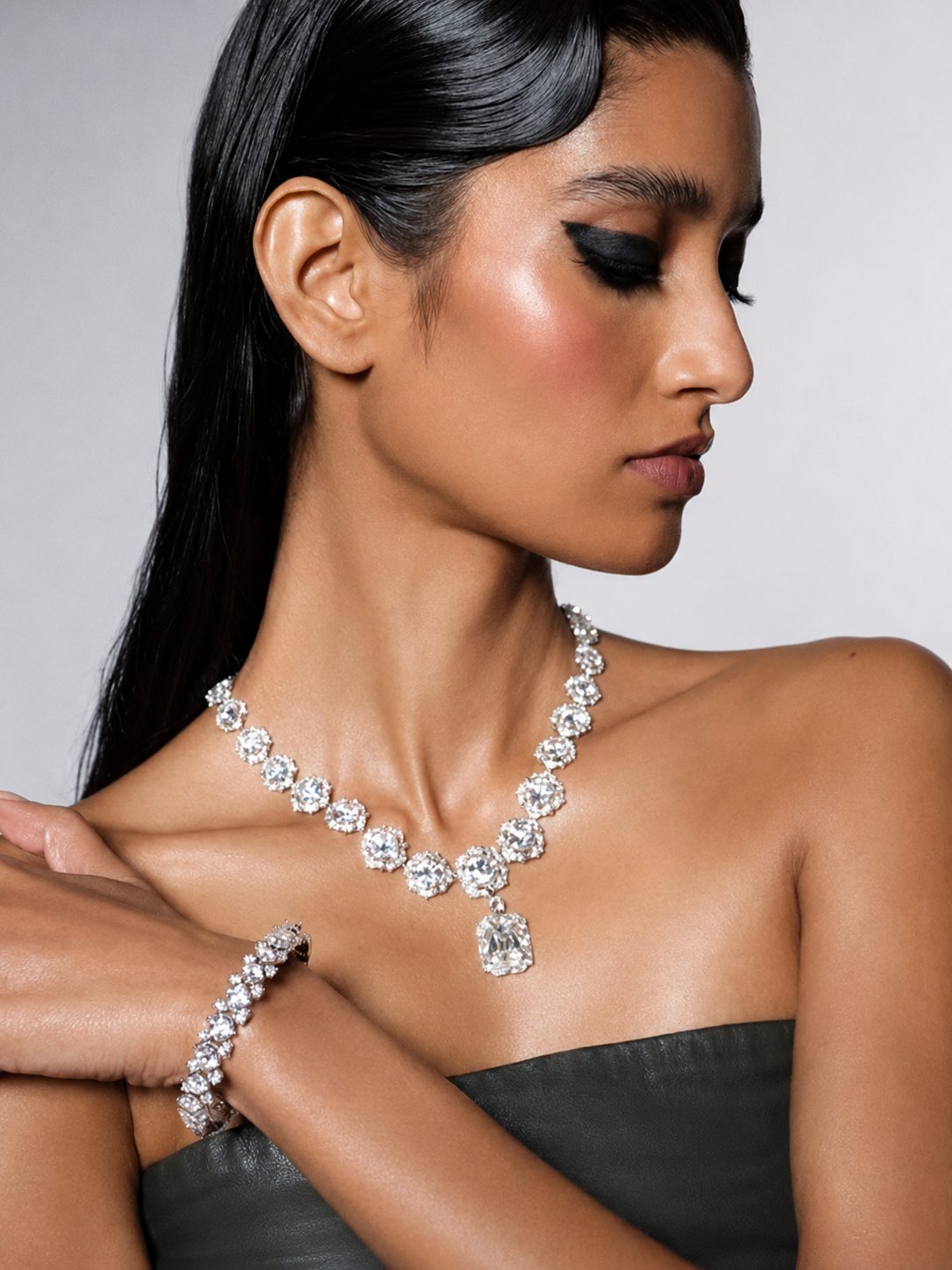
Rare Carat now sells fine jewelry beyond engagement rings too, including earrings, necklaces, and wedding bands, all shipped in premium branded packaging after the same quality checks as every other piece. That kind of consistency matters for anyone planning to buy more than once.
Making a Confident Decision
Comparing jewelry retailers gets a lot simpler once you know what to actually look for. Craftsmanship, quality inspections, shape-specific details, and the support available after the sale all play a role in how satisfied someone ends up with their purchase. Taking the time to weigh these factors upfront tends to pay off for as long as the ring is worn.