
Cultivating Young Talent: Why Junior Golf Lessons Are Essential

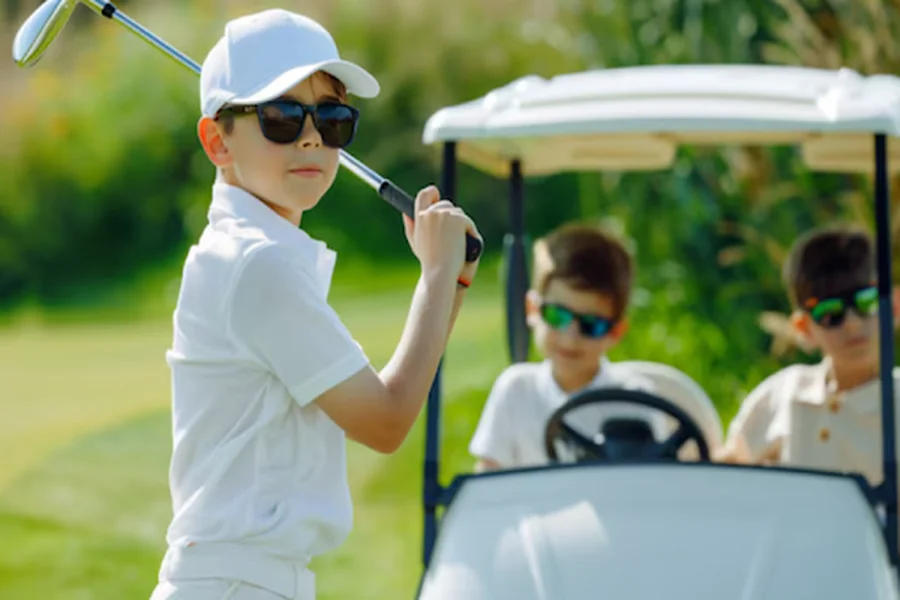
Golf is widely recognised as a sport that demands precision, patience, and strategic thinking. For young learners, it offers far more than just physical activity on the course. It becomes a platform for personal development, teaching discipline, focus, and resilience from an early age. In places where the sport is gaining popularity, structured programmes such as junior golf lessons in Singapore are helping children develop both technical skills and valuable life lessons that extend far beyond the game itself.
The Foundation of Excellence: Junior Golf Education
Junior golf education plays a crucial role in introducing children to the fundamentals of the sport. These structured lessons are carefully designed to help young players build a strong foundation in essential techniques such as grip, stance, swing mechanics, and putting.
Rather than rushing into competitive play, junior programmes focus on gradual skill development. This ensures that children understand the basics thoroughly before advancing to more complex aspects of the game. Through consistent practice and guided instruction, they develop confidence and familiarity with the sport in a supportive environment.
Many training programmes also incorporate fun and engaging activities that maintain interest while reinforcing learning. This balance between enjoyment and discipline helps nurture a long-term appreciation for the game.
Cognitive Benefits of Golf for Juniors
Golf is not only a physical sport but also a mentally engaging one. It requires players to think ahead, evaluate situations, and make strategic decisions. For young learners, this provides an excellent opportunity to develop cognitive abilities in a practical setting.
Through junior golf lessons, children improve concentration, analytical thinking, and decision-making skills. Each shot requires careful consideration of distance, wind conditions, and terrain, encouraging thoughtful planning and focus.
The game also teaches patience and goal setting. As young golfers track their progress and work towards improvement, they learn the importance of persistence and consistent effort. These mental skills are highly transferable and beneficial in academic and everyday life.
Social Development Through Golf
One of the unique aspects of golf is its blend of individual performance and social interaction. Junior golf lessons often include group activities that encourage communication and teamwork among young players.
Through shared practice sessions and friendly competition, children develop sportsmanship and learn how to interact respectfully with peers. They also gain exposure to coaches and mentors who guide them in both technical skills and personal development.
Golf etiquette plays an important role in shaping character. Values such as honesty, respect, and discipline are naturally integrated into the sport, helping juniors develop a strong sense of integrity from an early age.
Physical Benefits of Learning Golf Early
Although golf is not as physically intense as many other sports, it still offers important physical benefits. Junior golfers develop coordination, balance, and flexibility through regular practice. Swinging a club correctly requires precise body movement, which improves motor skills and hand-eye coordination over time.
Walking across the course also provides light cardiovascular exercise, promoting endurance and overall fitness. In addition, spending time outdoors contributes positively to both physical and mental well-being, encouraging a healthy and active lifestyle.
Technical Proficiency: The Art and Science of Golf
Mastering golf involves understanding both technical skill and environmental awareness. Junior golf lessons place strong emphasis on teaching children how to adapt to different playing conditions, including wind, terrain, and distance.
Young learners are introduced to the science behind the game, such as swing mechanics and shot selection. This helps them understand not just how to play, but why certain techniques are effective in different situations.
Modern coaching methods often include video analysis and digital feedback tools. These technologies allow students to visually review their movements, identify areas for improvement, and refine their technique more efficiently.
A Lifetime of Opportunities Through Golf
Starting golf at a young age can open doors to a wide range of future opportunities. Beyond recreational enjoyment, the sport can lead to scholarships, competitive pathways, and even professional careers for talented individuals.
Many educational institutions recognise golfing ability as part of scholarship programmes, offering opportunities for students to further their studies while continuing to develop their sporting talent.
In addition, golf provides valuable networking opportunities. As a sport often associated with professional and corporate environments, early exposure can help young players build meaningful connections later in life.
Overcoming Challenges: Building Resilience
Golf is a sport that naturally teaches resilience. Success is never guaranteed on every shot, and players must learn to manage both achievement and disappointment.
For junior golfers, this creates an environment where failure becomes a learning opportunity. Missed shots and imperfect swings encourage reflection, patience, and continuous improvement.
Through this process, young players develop emotional strength and adaptability. These qualities are essential not only in sports but also in academic and personal challenges they may face in the future.
Supporting Junior Golf Through Community
The development of young golfers is strongly supported by a wider community that includes parents, coaches, and fellow players. This supportive environment plays a key role in encouraging growth and maintaining motivation.
Participation in junior tournaments allows children to experience healthy competition and set personal goals. Observing more experienced players also provides inspiration and insight into higher levels of performance.
Community engagement helps reinforce the values of teamwork, respect, and perseverance, ensuring that young golfers develop both skill and character through platforms like instamatch.
Conclusion: Shaping Future Leaders Through Golf
Junior golf lessons offer far more than just sports training. They provide a structured pathway for developing technical ability, mental strength, physical coordination, and strong personal values.
By introducing children to golf at an early stage, these programmes help shape well-rounded individuals who are capable of handling challenges with confidence and discipline. Whether pursued recreationally or competitively, golf offers lifelong benefits that extend well beyond the course, making it a meaningful and rewarding pursuit for young learners.