
Insulated vs. Non-Insulated Booms: Choosing the Right Truck with Boom Lift for Utility Work
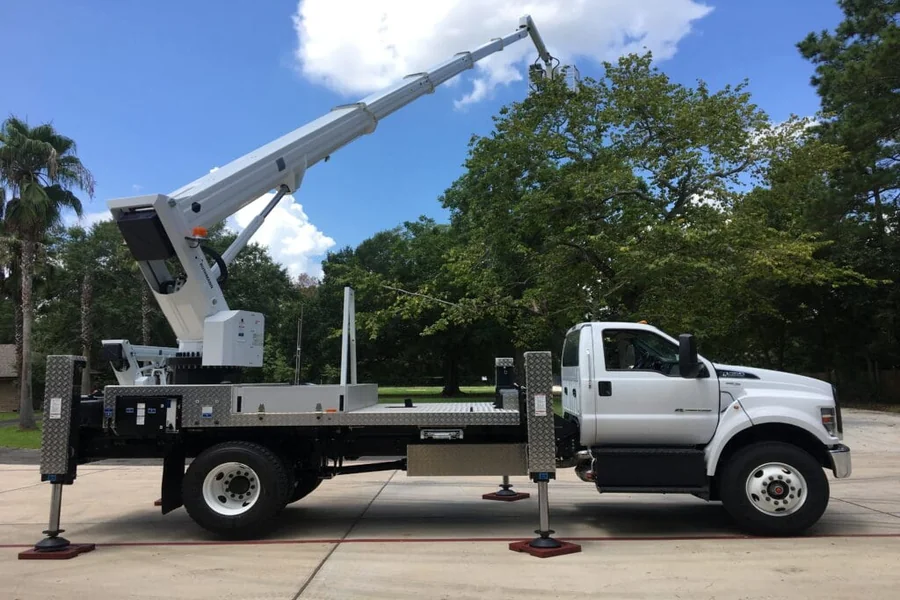
Choosing the right aerial device for utility work includes knowing the difference between non-insulated and insulated structures. If you choose wrong, it can completely compromise crew security, add to your corporate liability, and minimize the project’s effectiveness in municipal job areas. Utility managers should accurately assess environmental hazards, voltages, and day-to-day work scopes before deploying heavy equipment in proximity.
Here, we will outline the essential differences between these two configurations to help you enhance fleet security while operating at height.
What is the insulated boom benefit?
To safely work around live electrical lines, utility workers need special methods to prevent severe high-voltage transfers and electrical contact. To minimize danger, a truck with boom lift that has insulated, nonconductive parts can prevent electricity from flowing through the lift arm and down the truck’s chassis. Manufacturers build these lifts using heavy fiberglass and other nonconductive materials to isolate the path of dangerous electrical current. With this design, both the worker in the elevated bucket and those on the ground working with nearby equipment will remain safe from contact with electrical current.
Non-insulated platforms performing well
Non-insulated platform types are made of all-steel materials, making them well-suited for applications not associated with high-voltage safety hazards. Various applications use non-insulated platforms for their long-term durability and very low operating costs compared with other types of powered lift equipment. These applications include:
- Telecom maintenance.
- Commercial painting.
- Exterior lighting repair.
- Structural components inspection.
Since steel has an incredible amount of strength for its weight, many non-insulated platforms have greater outreach and larger platform capacities than boom-type powered lifts. When electrocution hazards are completely absent, fleet managers will use these types of lifts to achieve maximum raw mechanical performance.
Crucial testing and safety ratings
Ongoing dielectric testing is necessary to ensure that the insulating material in Fiberglas (GRP) remains nonconductive over extended periods. The following points are crucial:
- The insulating barrier that prevents electricity from leaking through is degraded by dirt, humidity, and microcracks.
- It can convert a piece of equipment that should be considered safe into a potentially deadly conductor of electrical current.
- To ensure compliance with federal safety requirements, an organization must perform a daily visual inspection of an insulated product and an annual high-voltage lab audit.
If the organization doesn’t adhere to the mandated testing schedule, the safety gains are lost, and your entire field team is placed in jeopardy through significant operational risks.
Important grounding and isolation criteria
Regardless of an insulated unit’s quality level, ground crews must always strictly adhere to the written electrical safety isolation procedures. Ground crews need to ground themselves by connecting the grounding wires to the vehicle chassis to safely discharge any static electricity or surge overflow that may occur unexpectedly. Also, technicians must follow the minimum approach distance for safe working from energized conductors and treat every line as though it is live, as it poses a significant hazard to themselves and others. Truly safe equipment requires both quality engineering and thorough training on how to use it in the field, so that accidents do not occur across the company’s regional workforce.
Final thoughts
Therefore, navigating the challenges of an elevated utility infrastructure requires a thorough understanding of specific device requirements. When you invest in the right boom design, you ensure that operators stay safe while managing demanding high-voltage projects. If you want to know more about the ideal configuration for any operational requirements, you can check out https://www.bladeplatforms.com/. It will help you check the solutions and make an informed decision as well.