
The Comprehensive Guide to Low Loader Transport in Australia
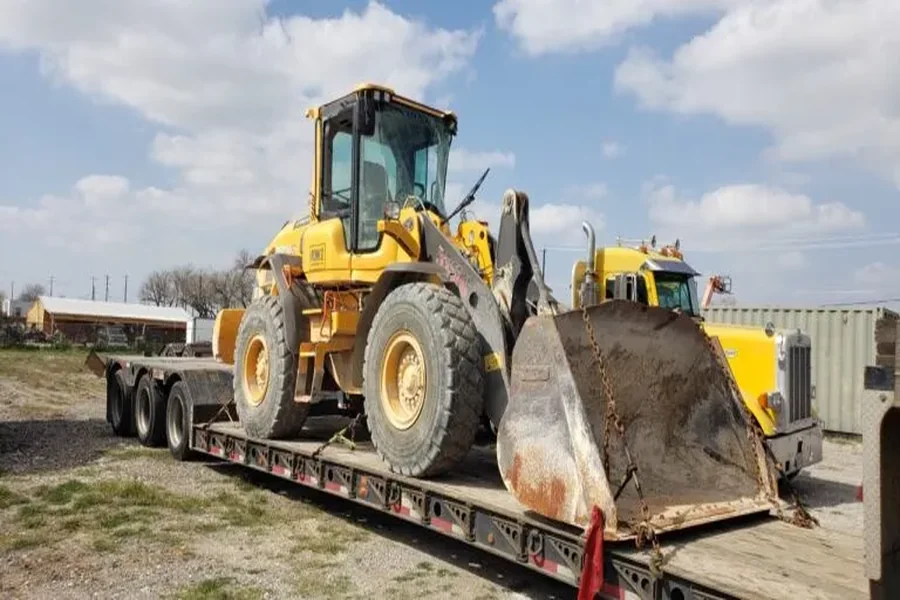
In the logistics and transport industry, efficient and safe movement of heavy and oversized loads is pivotal. Low loader transport is a popular solution for such tasks, especially in Australia where geographical and infrastructural challenges make specialised transport crucial. Low loaders, known for their versatility, are trailers with a lower deck height, allowing for the transportation of tall and oversized cargo without exceeding height restrictions on roads.
Understanding Low Loader Trailers
Low loaders are distinct due to their design. The trailer features a drop-deck, commonly referred to as a ‘well’, where the load is placed. This characteristic design allows for additional height clearance, making them ideal for transporting items such as industrial machinery, construction equipment, and large vehicles.
Applications of Low Loader Transport
The utility of low loader transport is vast across multiple industries. Construction companies frequently use these trailers to move heavy machinery and equipment between sites. Meanwhile, in the mining sector, massive machinery components are transported using low loaders. Additionally, the agricultural and manufacturing industries benefit from the capability to transport their large and cumbersome goods efficiently.
Benefits of Low Loader Transport
Choosing low loader transport over other methods offers several advantages. One key benefit is the ability to handle oversized loads which traditional transport methods cannot accommodate. The lower deck height of low loaders ensures that even tall loads stay within legal height limits, reducing the need for additional route planning and clearances. This efficiency translates into time and cost savings for businesses.
Regulations and Compliance
Laws governing heavy haulage and the use of low loaders vary across Australian states and territories. Companies engaging in low loader transport must be meticulous in adhering to these regulations to avoid penalties and ensure safety. It is essential for logistics managers to keep abreast of changes in legislation related to axle loads, height restrictions, and safety requirements.
Choosing the Right Low Loader
Not all low loaders are created equal, and selecting the right one is crucial for efficient transport. Factors to consider include the weight and dimensions of the load, the terrain to be navigated, and specific state regulations. Consulting with professionals in heavy haulage can provide valuable insights into making the optimal choice.
Challenges in Low Loader Transport
While low loaders offer many benefits, challenges do exist. Navigating through urban areas or regions with restrictive infrastructures can be problematic. Additionally, unexpected weather conditions can affect the transport schedule, requiring logistics professionals to remain flexible and proactive in their planning.
Advanced Technologies in Low Loader Transport
The heavy haulage industry has seen significant technological advancements that enhance the efficiency and safety of low loader transport. Innovations such as GPS tracking, automated hydraulic suspension, and remote monitoring systems contribute to smoother operations and better load management.
Importance of Expert Handling
Expertise in handling and operating low loaders cannot be overstated. Experienced operators ensure that all safety protocols are followed, reducing the risk of accidents during transport. Companies like National Heavy Haulage provide trained professionals who understand the intricacies of heavy load transport.
Environmental Considerations
Modern low loader transport solutions are increasingly focusing on environmental sustainability. Utilising these transport methods can contribute to reducing carbon emissions by optimising load planning and reducing unnecessary journeys.
Future of Low Loader Transport
The future of low loader transport looks promising, with expected advancements in vehicle technology and infrastructure development. As the demand for efficient and safe heavy haulage solutions grows, low loaders will continue to play a critical role in meeting industry needs.
Case Study: Low Loader Transport in Action
In a recent operation conducted by National Heavy Haulage, a significant piece of mining machinery was successfully transported across the challenging terrain of the Australian outback, showcasing the capability and reliability of low loader transport solutions.
Key Considerations for Logistics Managers
Logistics managers should prioritise regular training for their teams, stay updated with industry regulations, and invest in quality equipment for low loader transport. These steps not only ensure compliance but also enhance operational efficiency.
Conclusion
In conclusion, low loader transport remains an integral part of Australia’s heavy haulage landscape. By choosing the right equipment and adhering to regulations, businesses can benefit from the safe and efficient delivery of their valuable loads. Companies such as National Heavy Haulage offer expert services that align with these requirements, ensuring seamless transport solutions for all heavy and oversized loads.