
Where Pressure Manways Make the Most Sense?
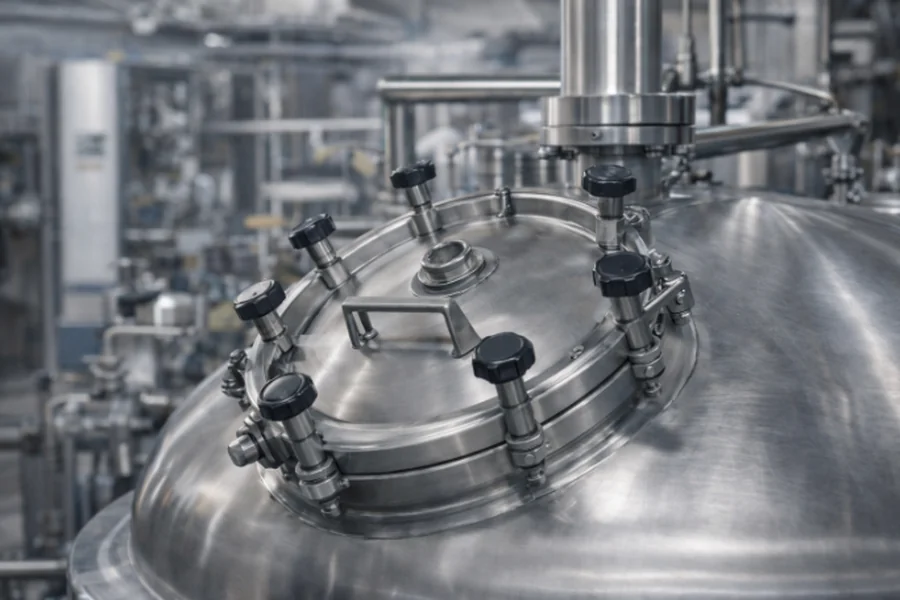
Pressure manways are used in many industrial installations, but not every system actually needs them. Choosing the right type of manway depends on pressure level, operating conditions, and safety requirements. In this article, you will learn where pressure manways truly make sense and when they bring real value.
Why pressure conditions change the choice of manway
Not all tanks and vessels work under the same conditions. Some operate at atmospheric pressure, while others are exposed to internal pressure or vacuum. This difference has a strong impact on manway selection. Standard manways are designed mainly for access and inspection. Pressure manways are built to keep tightness even when pressure is present inside the vessel. Their construction includes stronger frames, thicker covers, and reliable sealing systems. Pressure manways help prevent leaks that could lead to safety risks or product loss. In pressurized systems, this level of protection becomes essential.
Basic situations where pressure manways are required
Pressure manways make sense wherever internal pressure can occur during normal operation. This includes tanks connected to pumps, compressed air systems, or pressurized pipelines. They are also used in vessels where pressure builds up during heating or chemical reactions. Another typical case is vacuum operation, where external pressure pushes on the cover. In such conditions, a standard manway may deform or lose tightness. Pressure manways are designed to handle both positive pressure and vacuum. This makes them suitable for demanding industrial environments.
Pressure manways in food and beverage processing
In food and beverage plants, many tanks operate under controlled pressure. Fermentation vessels, mixing tanks, and CIP systems are good examples. These installations require hygienic design and reliable sealing. Pressure manways help keep the system closed and clean. They also support regular cleaning and inspection without compromising tightness. Stainless steel construction and smooth surfaces are important here. Pressure manways used in food industry must meet strict hygiene standards. This is why dedicated pressure-rated models are commonly selected.
Pressure manways in chemical and pharmaceutical industry
Chemical and pharmaceutical processes often involve pressurized reactors and storage vessels. Inside these systems, aggressive substances and high temperatures may be present. Manways must resist both pressure and corrosion. Pressure-rated designs provide safer access for maintenance and inspections. They reduce the risk of leakage of hazardous media. In many plants, safety regulations require pressure-certified access openings. Pressure manways are therefore part of standard equipment in these sectors.
When pressure manways may be unnecessary
Not every tank needs a pressure-rated manway. Open vessels or atmospheric storage tanks usually work without internal pressure. In such cases, standard manways are often sufficient. Using pressure-rated models where they are not needed can increase costs without real benefit. It is important to check real operating parameters before selection. Pressure level, temperature, and media type should be known. If no pressure or vacuum occurs, a simpler solution may work well.
How to decide if pressure manways are the right choice
Start by analyzing the process conditions. Check maximum pressure, possible vacuum, and temperature range. Consider future process changes as well. Think about safety requirements and industry standards. If there is any risk of pressure inside the vessel, pressure-rated access is usually the safer option. Pressure manways provide higher safety margin and longer service life in demanding systems. A correct choice at the design stage helps avoid problems later, and you can explore more related insights at wishregards.