
5 Things to Plan Before Launching a Programmatic DOOH Campaign
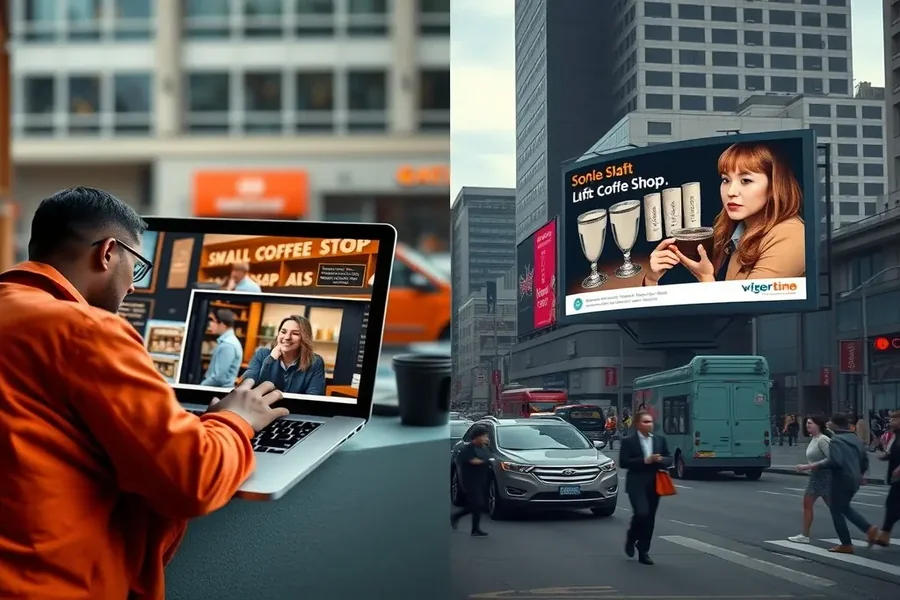
A successful programmatic digital out-of-home campaign requires more than selecting digital screens and setting a budget. Unlike traditional billboard advertising, programmatic DOOH allows campaigns to adjust based on audience behavior, timing, and real-world conditions. Without proper planning, advertisers may miss opportunities to deliver relevant messages at the right moment. This article explains five planning decisions that influence campaign performance and help businesses use programmatic DOOH more effectively before launch.
1. Match Campaign Goals to Programmatic DOOH Capabilities
Programmatic DOOH campaigns perform best when campaign goals influence inventory selection from the beginning. Businesses working with a DOOH advertising company should match advertising objectives with the digital screens and audiences they want to reach. A campaign focused on brand awareness may prioritize commuter routes, while a retail promotion may target screens near shopping centers. Aligning campaign goals with programmatic buying strategies creates a stronger foundation before inventory is purchased.
Questions to Answer Before Launching
- Is the campaign focused on awareness, store visits, or event promotion?
- Which audience should receive the message?
- Which digital environments best support the campaign objective?
2. Decide Which Audience Triggers Will Activate Your Ads
One advantage of programmatic DOOH is that advertisements do not have to appear continuously. Campaigns can activate based on real-world conditions that make the message more relevant to viewers. Planning these triggers before launch helps advertisers reach audiences when they are most likely to respond.
Common Trigger Options
- Time of day
- Weather conditions
- Traffic congestion
- Sporting events
- Local events
- Audience movement patterns
For example, a coffee advertisement may appear during the morning commute, while a restaurant promotion can display closer to lunchtime when people are deciding where to eat.
3. Plan Multiple Creative Versions Before Launch
Programmatic DOOH allows advertisers to change creative content automatically instead of displaying the same advertisement all day. Planning multiple creative versions creates a more relevant experience for different audiences and situations. A retailer, for example, may promote breakfast products in the morning, lunch specials during midday, and dinner offers in the evening. Preparing these variations in advance allows campaigns to adapt without interrupting delivery once they begin.
4. Choose Inventory and Screen Types Carefully
Unlike traditional outdoor advertising, programmatic campaigns purchase digital inventory instead of reserving one billboard for an extended period. Advertisers should decide how inventory will be purchased and which screen environments best match customer behavior before launching the campaign.
Planning Considerations
- Guaranteed inventory – Reserved digital screens secured in advance for specific dates and locations.
- Preferred inventory – Priority access to selected screens without requiring a full reservation.
- Open marketplace – Available inventory is purchased dynamically based on campaign settings and availability.
- Screen environments – Transit stations, shopping centers, airports, office buildings, gyms, roadside displays, and fuel stations each reach different audiences.
- Audience behavior – Select screens where target customers are most likely to encounter the campaign instead of focusing only on traffic volume.
5. Plan Frequency and Performance Before the Campaign Starts
Programmatic DOOH campaigns can be optimized while they are running, but successful optimization starts with a plan. Advertisers should decide how frequently the same audience should see the message and identify the performance metrics that matter most before launch. An experienced DOOH advertising company can also provide insight into campaign reporting, inventory availability, audience targeting, and optimization opportunities throughout the campaign.
Programmatic DOOH offers far more flexibility than traditional billboard advertising because campaigns can respond to audience behavior and changing conditions in real time. Planning audience triggers, creative variations, inventory strategy, frequency goals, and performance benchmarks before launch creates a stronger foundation for campaign success. Businesses that invest time in these decisions are better prepared to optimize performance and make informed adjustments once the campaign goes live.