
Top Signs It’s Time to Replace Your Asphalt Driveway
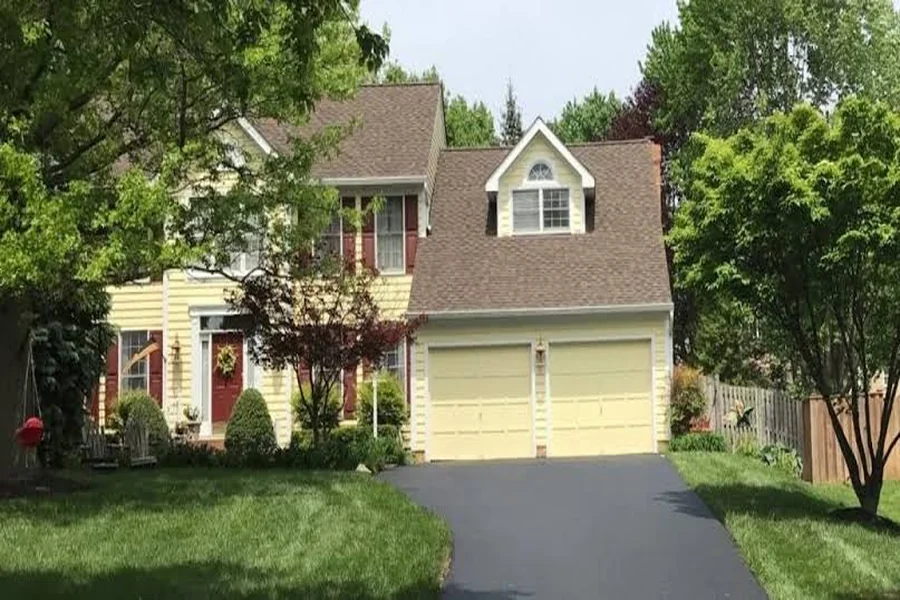
A residential driveway plays an important role in daily access, parking comfort, and overall property presentation. Over time, exposure to sunlight, rainfall, and continuous vehicle load gradually changes the surface condition. These changes may start small but can develop into structural concerns that affect long-term performance.
A proper assessment helps identify whether the pavement still has usable life or requires full renewal. For example, the qualified Asphalt Driveway Company examines surface behavior, base stability, and drainage patterns to determine the most appropriate solution. The sections below highlight clear, practical signs that indicate replacement may be necessary.
Expanding Cracks That Reach Across Parking Zones
Cracks that begin near edges or wheel paths often expand deeper into the pavement structure. One of the most visible patterns in older driveways is alligator cracking, where interconnected fractures form a scaled pattern across high-traffic areas. This usually indicates that the underlying support layers are no longer distributing vehicle weight evenly. As water enters these openings, moisture infiltration begins to weaken the internal structure further. Over time, this leads to reduced surface stability and continued spreading of cracks even after minor surface treatment.
Edge Cracks Near Entry Points Worsen Faster
Entry and exit zones experience repeated turning and braking pressure. This often leads to edge cracking, where deterioration begins along the sides of the driveway. In many cases, this condition is linked to weakening within the aggregate base, which reduces the ability to support consistent traffic load near garage entrances.
Uneven Settling After Seasonal Rainfall
Driveways exposed to heavy rain and temperature changes often develop uneven surfaces over time. When the underlying soil shifts, sections of the pavement may sink or rise, creating an unbalanced surface. This condition is commonly associated with subgrade failure, where the soil beneath the asphalt loses its strength and stability. These uneven areas may also lead to water ponding, where rainwater collects instead of draining properly. Standing water increases stress on the pavement structure and contributes to faster deterioration of the surrounding material.
Faded Surface With Loss of Protective Oils
A new asphalt surface has a dark appearance due to natural binding oils that protect it from weather exposure. Over time, sunlight and environmental conditions cause surface oxidation, which gradually removes these protective elements. This results in a lighter, gray appearance and a rougher texture. As oxidation progresses, the pavement becomes less flexible and more prone to cracking under temperature changes and traffic pressure. This stage also reflects binder aging, where the material loses elasticity and overall surface resilience.
Widespread Potholes Across Vehicle Paths
Potholes often appear when both surface and underlying layers begin to break down. In residential driveways, repeated vehicle movement can worsen these areas, especially when pavement deformation occurs along tire paths. This indicates that the surface can no longer maintain its original shape under load. A qualified Asphalt Driveway Company evaluates whether potholes are limited to the surface or linked to deeper structural issues. When damage continues to return, it often points to base course deterioration, where the foundational layer has weakened beyond repair.
Repaired Sections Breaking Apart Again
Temporary patchwork may improve appearance for a short period, but it often fails when the surrounding material continues to weaken. Repeated separation of repaired areas suggests that the pavement no longer maintains structural consistency across its surface. This condition usually indicates that full replacement offers a more stable and lasting solution.
Proper evaluation of an aging driveway requires more than surface-level observation. Trained professionals analyze structural strength, drainage behavior, and subsurface conditions to identify problems that are not immediately visible. Their expertise ensures that decisions are based on an accurate assessment rather than a temporary appearance. The Asphalt Driveway Company, for instance, follows established construction practices that support long-term durability and consistent load distribution. Their role is essential in ensuring correct base preparation, material application, and surface performance. Professional involvement ultimately helps maintain safety, structural reliability, and dependable function for everyday residential use.