
Heavy Freight, Worn Roads: America’s Most Pressured Trucking Corridors
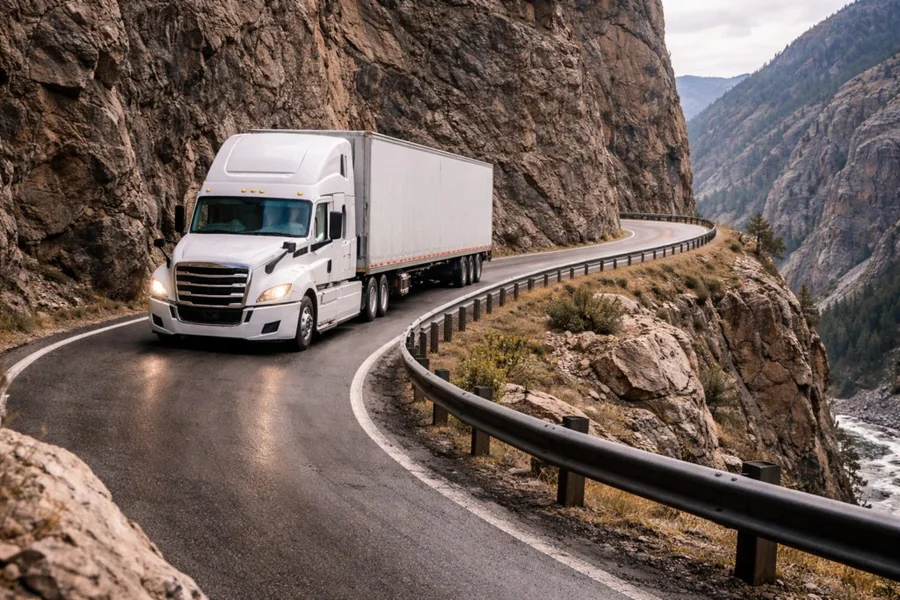
Every single day, an invisible economic circulatory system keeps America running, moving billions of tons of food, clothing, and vital goods from coast to coast. Behind almost every product on our store shelves is an 18-wheeler navigating a complex labyrinth of interstate highways. But while these commercial trucks fuel our national commerce, the physical arteries carrying them are feeling the heavy strain.
Understanding which corridors handle the highest volume of freight helps explain why our infrastructure constantly requires maintenance and why safety remains a top national priority. When evaluating these high-pressure zones, many analysts and safety advocates review comprehensive truck accident risk rankings to determine where heightened caution is most critical.
In this post, we take a friendly, deep dive into the primary highways carrying America’s heaviest loads, the structural challenges they face, and what it means for everyday travelers sharing the road.
The Backbone of National Commerce: America’s Busiest Interstate Corridors
Certain stretches of the U.S. interstate system handle disproportionate volumes of heavy freight, serving as the critical lifelines of domestic supply chains.
When we look at national freight maps, a few iconic highways immediately stand out as the heavy lifters of the American economy. These routes connect major manufacturing hubs, bustling sea ports, and massive consumer markets, operating around the clock in all weather conditions.
Interstate 80: The Transcontinental Freight Titan
Interstate 80 stretches over 2,900 miles from New Jersey to San Francisco, serving as a primary corridor for transcontinental freight movement.
- Key Hubs Connected: New York/New Jersey ports, Chicago rail yards, and Northern California distribution networks.
- Primary Cargo: Manufactured goods, electronics, agricultural products, and retail inventory.
- Daily Challenge: Extreme weather shifts from the Midwest plains to the Rocky Mountains, creating volatile driving conditions.
Interstate 95: The Eastern Seaboard Lifeline
Interstate 95 runs parallel to the Atlantic coast from Miami to the Canadian border in Maine, carrying immense volumes of regional and international trade.
- Population Density: Connects major metropolitan areas including Miami, Washington D.C., Philadelphia, New York City, and Boston.
- Economic Impact: Facilitates the rapid transit of time-sensitive perishable goods and e-commerce parcels.
- Daily Challenge: Chronic urban congestion and continuous commuter-commercial traffic overlap.
The Hidden Cost: How Heavy Loads Impact Pavement and Bridges
Continuous heavy freight traffic accelerates highway wear and tear, demanding billions in ongoing infrastructure investments.
Physics plays a relentless role in highway degradation. A fully loaded semi-truck can weigh up to 80,000 pounds, exerting thousands of pounds of pressure per tire onto the asphalt below. Over time, millions of these heavy axle passes create deep rutting, cracking, and structural fatigue in road foundations.
Infrastructure Fact According to federal transportation studies, a single 80,000-pound truck causes the equivalent pavement wear of thousands of passenger cars. This mathematical disparity explains why major freight corridors require frequent resurfacing and structural reinforcement.
Bridges along these routes face similar pressures. Civil engineers must routinely inspect structural joints, steel beams, and concrete decks that bear the brunt of continuous heavy vehicle vibrations.
Sharing the Road: Safety, Awareness, and Risk Management
High-density freight corridors require heightened awareness from both commercial truck drivers and everyday motorists sharing the asphalt.
When high volumes of heavy freight mix with passenger vehicles on congested interstates, safety becomes everyone’s shared responsibility. Drivers must navigate blind spots, stopping distances, and tight merging zones unique to commercial semi-trucks.
“Safety on our nation’s highways isn’t just about regulatory compliance; it’s about mutual respect, clear communication, and understanding the physical limitations of massive vehicles sharing our daily commute.” — National Highway Safety Advocate
Practical Tips for Driving Near Heavy Trucks
Adopting simple defensive driving habits can drastically reduce risks when traveling alongside commercial freight carriers.
- Avoid the “No-Zones”: If you cannot see the truck driver’s face in their side mirrors, they cannot see you. Never linger in these blind spots.
- Give Extra Braking Room: Trucks require significantly longer stopping distances than passenger cars. Never cut abruptly in front of a semi-truck.
- Mind Wide Turns: Large trucks often need to swing wide to navigate right turns. Never squeeze between a turning truck and the curb.
Looking Ahead: The Future of America’s Freight Corridors
Innovations in infrastructure funding, smart highway technology, and freight logistics are paving the way for safer, more resilient supply chains.
Federal and state agencies are increasingly investing in smart infrastructure. Examples include weigh-in-motion sensors, connected vehicle technology, and advanced pavement materials designed to withstand extreme thermal expansion and heavy loads. Furthermore, the expansion of freight rail and intermodal transfer hubs helps alleviate some pressure from overcrowded highway corridors.
As consumers continue to rely on rapid doorstep deliveries and global trade, America’s trucking corridors will remain the vital beating heart of our economy. By staying informed about infrastructure challenges and practicing mindful driving habits, we can ensure that our roads remain safe and efficient for everyone along the journey.