
Does Tampon Use Affect the Vaginal Microbiome?
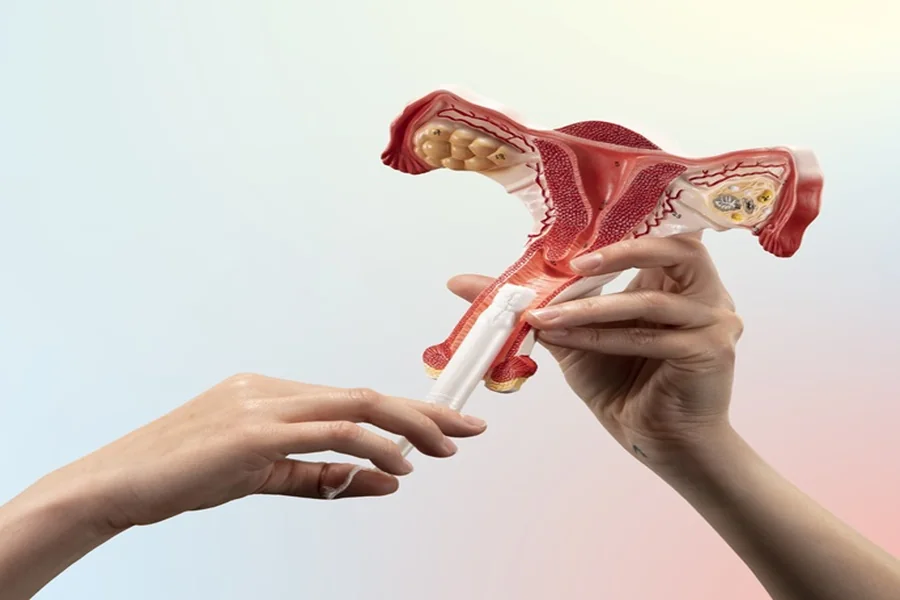
Most people think of tampons as a simple period essential: insert, go about your day, and change it every few hours. However, in recent years, growing interest in vaginal health has sparked a new question: Could tampon use affect the vaginal microbiome?
It might sound surprising, but your vagina is home to an entire community of microorganisms that play an important role in maintaining balance. Because menstrual products interact directly with the vaginal environment, it’s natural to wonder whether they influence that delicate ecosystem.
The relationship between tampons and the vaginal microbiome is more complex, and generally less alarming, than social media headlines might suggest. To understand what science says, it helps to first understand what the vaginal microbiome is and how it naturally changes throughout the menstrual cycle and alongside practices like taking probiotics for women and lifestyle changes.
What Is the Vaginal Microbiome?
In a healthy vaginal microbiome, beneficial bacteria, particularly Lactobacillus species, typically dominate. These bacteria help maintain an acidic vaginal pH, which can discourage the growth of potentially harmful microbes.
When this balance is disrupted, some people may experience symptoms such as unusual discharge, irritation, or odor. Many factors can influence the vaginal microbiome, including hormones, sexual activity, medications, hygiene habits, and diet.
How Does Your Period Naturally Change the Vaginal Environment?
Menstrual blood has a higher pH than the typically acidic vaginal environment. As a result, the presence of menstrual blood can temporarily alter vaginal pH levels and influence which bacteria are most active.
These fluctuations are generally considered normal and often resolve as the cycle progresses. Because these changes occur naturally during menstruation, researchers must carefully distinguish microbiome shifts caused by menstruation itself from those associated with menstrual products.
Do Tampons Affect the Vaginal Microbiome?
Current research suggests that tampon use can influence the vaginal environment in small, temporary ways, but there’s little evidence that normal tampon use significantly disrupts a healthy vaginal microbiome.
Tampons absorb menstrual fluid, which may affect moisture levels and create short-term changes within the vagina. However, menstrual blood itself is already contributing to changes in pH and bacterial populations during a period.
For most people, these shifts appear to be temporary rather than permanent. While individual experiences may vary, the available evidence suggests that using tampons as directed is unlikely to cause major long-term changes to the vaginal microbiome.
What Does Research Say About Tampons and Vaginal Bacteria
Research on tampons and the vaginal microbiome is still evolving, but the findings so far are reassuring. Studies suggest that the menstrual cycle itself plays a major role in temporary microbial changes, making it difficult to attribute any shift to tampons alone.
Some research has found that vaginal bacteria can fluctuate during menstruation, including changes in Lactobacillus levels and overall bacterial diversity. However, these changes often appear to be short-lived. In other words, the microbiome may do a little period-week cha-cha, but it usually finds its rhythm again.
Researchers are still studying whether different menstrual products affect the microbiome in different ways. For now, the big takeaway is that normal tampon use does not appear to dramatically or permanently throw a healthy vaginal microbiome off balance.
When Could Tampon Use Potentially Contribute to Imbalance?
How you use tampons matters. Leaving a tampon in longer than recommended can increase the risk of irritation and create an environment where unwanted bacteria may have more opportunity to grow.
Using a tampon with a higher absorbency than needed may also contribute to dryness or discomfort, especially on lighter-flow days. A good rule of thumb is to use the lowest absorbency that comfortably manages your flow and change it regularly.
It’s also important to mention toxic shock syndrome, or TSS. It’s rare, but serious, and is associated with prolonged tampon use. Following the instructions on the tampon box, changing tampons as directed, and avoiding overnight overuse can help reduce risk.
Tampons vs. Other Period Products: Is One Better for the Microbiome?
Pads, tampons, menstrual cups, and period underwear all interact with your body differently, but there is no universal “best” option for everyone’s microbiome. Pads and period underwear sit outside the vaginal canal, while tampons and cups are used internally.
Menstrual cups collect fluid rather than absorb it, which may make them appealing to people who experience dryness with tampons. Still, cups require careful cleaning, and every product comes with its own learning curve.
The best period product is usually the one that works for your body, your flow, and your lifestyle. Comfort, cleanliness, and proper use matter more than chasing one supposedly perfect option.
Keeping Your Vaginal Microbiome in Balance
Tampon use may affect the vaginal microbiome a little, but usually temporarily. The most important thing is to use tampons as directed, change them regularly, choose the right absorbency, and pay attention to your body. Your vaginal microbiome is resilient, not fragile, and understanding how it works can help you make period care choices with confidence.