
Truck Accident Claims and What Injury Victims Should Know
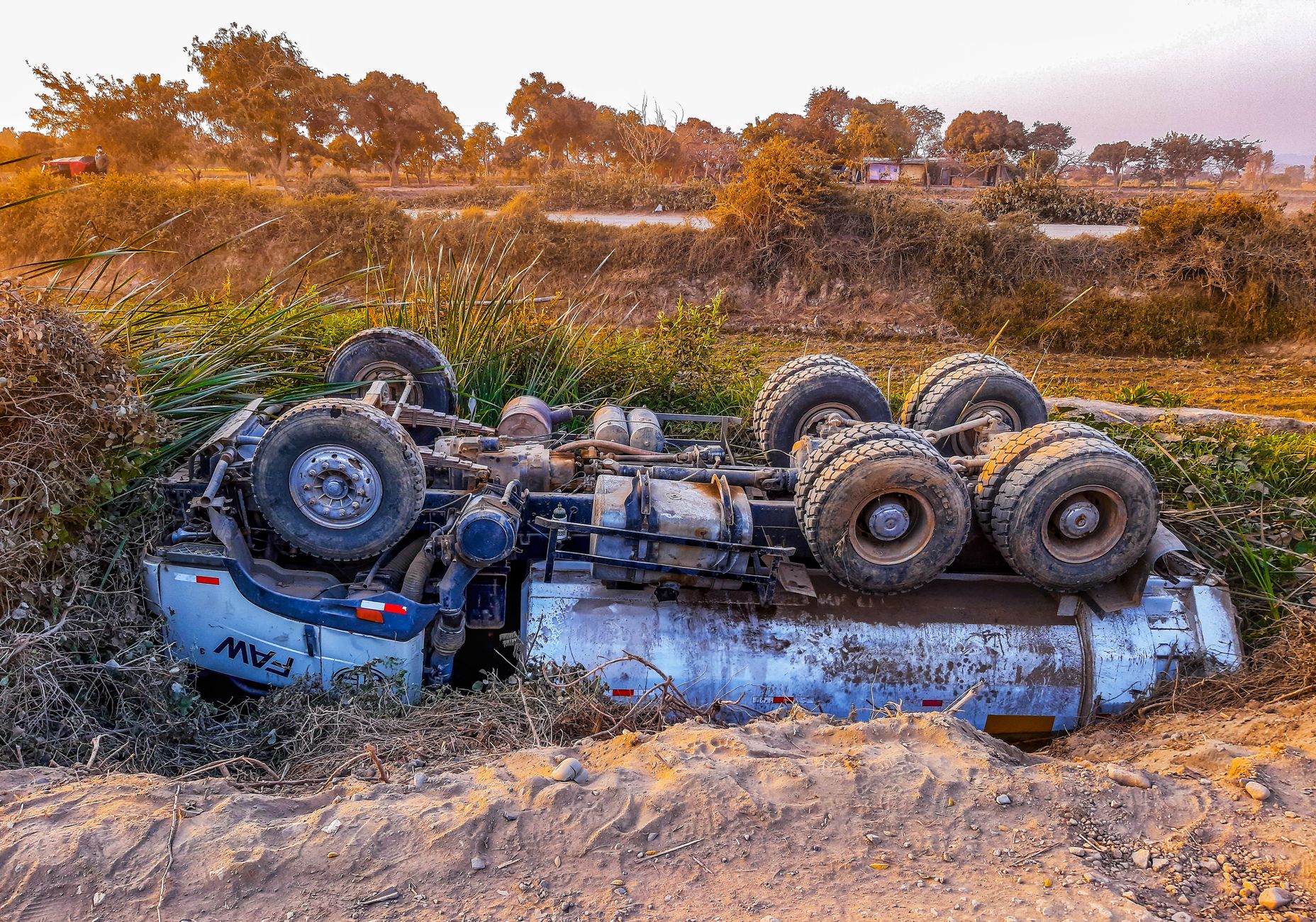
Every day, commercial trucks move thousands of tons of freight across South Florida, connecting ports, warehouses, and businesses through heavily traveled highways like Interstate 95 and the Florida Turnpike. While these vehicles are essential to the economy, they also create serious risks when collisions happen, especially for people pursuing Pompano Beach truck accident claims.
According to national crash data, more than 70 percent of people killed in crashes involving large commercial trucks are occupants of passenger vehicles rather than truck drivers. The enormous size and weight difference between an eighteen-wheeler and a standard passenger car often leads to catastrophic injuries, extensive property damage, and life-changing financial consequences.
If you are exploring truck accident claims, it helps to understand that these cases are very different from ordinary automobile accidents. Unlike a typical two-car collision, a truck accident often involves multiple companies, federal transportation regulations, electronic driving records, maintenance histories, and several insurance carriers. Each of these factors can affect liability and the amount of compensation available.
Successful truck accident claims usually require investigators to look beyond the crash itself and examine the entire commercial transportation system that contributed to it.
Looking Beyond the Driver: The Corporate Chain of Responsibility
After a serious collision, many people assume the truck driver is the only person at fault.
Driver negligence certainly plays a role in many crashes, but commercial transportation depends on a network of companies that share legal responsibilities. A trucking company controls hiring practices, safety policies, scheduling, and compliance with transportation laws. Maintenance contractors inspect and repair vehicles. Cargo loading companies decide how freight is secured and balanced before the truck enters the highway.
When one part of that chain fails, the results can be devastating.
For example, a truck driver may appear responsible for drifting into another lane, but a deeper investigation could show that the company pressured the driver to exceed legal driving limits or ignored repeated maintenance problems that affected steering or braking performance.
The strongest truck accident cases rarely stop with the driver's actions. They examine every business decision that contributed to unsafe conditions on the road.
Potentially responsible parties may include:
- The trucking company
- Vehicle maintenance providers
- Cargo loading contractors
- Freight brokers
- Truck manufacturers
- Parts manufacturers
- Third-party logistics companies
Identifying every liable party is often essential because commercial accident damages frequently exceed the limits of a single insurance policy.
Electronic Evidence Often Tells the Real Story
Eyewitness testimony remains valuable after any collision, but commercial trucks generate a large amount of electronic information that can provide a more objective account of what happened.
Today's commercial vehicles are equipped with systems that record operational data before, during, and after a collision. These records may show vehicle speed, brake application timing, steering inputs, sudden acceleration, hours spent driving, GPS route history, engine performance, and electronic logging information.
Unlike witness memories, electronic data does not become confused over time.
In many truck accident investigations, electronic records reveal whether a driver attempted to brake before impact, exceeded the speed limit, or had been operating beyond legally permitted driving hours.
Unfortunately, much of this information is not preserved forever.
Many transportation companies routinely overwrite electronic records during normal fleet operations. Without prompt legal action requesting preservation of evidence, valuable data can disappear long before an injury claim reaches court.
Early preservation letters often become one of the most important steps in protecting critical evidence.
Federal Safety Regulations Can Reveal Hidden Negligence
Commercial trucking companies operate under strict national safety standards established by the Federal Motor Carrier Safety Administration.
These regulations exist because commercial vehicles pose greater risks than ordinary passenger cars due to their size, weight, and operating conditions.
The Federal Motor Carrier Safety Administration sets rules covering driver qualification requirements, maximum driving hours, mandatory rest periods, vehicle inspection schedules, maintenance documentation, drug and alcohol testing, cargo securement procedures, and recordkeeping obligations.
When investigators review company records, violations of these regulations often expose larger patterns of negligence.
Common violations include drivers exceeding allowable hours, missing vehicle inspections, poor brake maintenance, incomplete repair records, improperly secured cargo, failure to replace worn tires, and inadequate driver training.
A crash that first appears to result from a driver's mistake may actually reflect months or years of neglected safety practices.
Repeated regulatory violations can show that unsafe conditions were predictable and preventable long before the collision occurred.
Serious Injuries Continue Long After the Crash Scene Clears
The damage visible immediately after a truck collision rarely reflects the full extent of a victim's losses.
Emergency medical treatment addresses immediate trauma, but many serious injuries continue developing over weeks, months, or even years.
Victims commonly experience traumatic brain injuries, spinal cord injuries, herniated discs, internal organ damage, multiple fractures, crush injuries, severe burns, and permanent nerve damage.
Recovery is often long and unpredictable.
Some individuals require repeated surgeries, extended hospitalization, rehabilitation programs, occupational therapy, pain management, or lifelong medical monitoring.
The financial impact extends far beyond emergency room bills.
Long-term losses frequently include future medical treatment, rehabilitation expenses, prescription medications, mobility equipment, home accessibility renovations, transportation assistance, lost career opportunities, reduced future earning capacity, and permanent disability accommodations.
Many families underestimate these future costs because they are impossible to calculate during the first few weeks after the collision.
Why Insurance Companies Often Move Quickly
One of the most misunderstood parts of truck accident claims is the timing of settlement offers.
Insurance companies often contact injured victims shortly after the collision, sometimes before medical treatment has been completed.
Early offers may seem reasonable when medical expenses are still relatively low.
However, the true financial impact of catastrophic injuries usually appears much later.
A victim who accepts an early settlement generally gives up the right to pursue additional compensation, even if future surgeries, chronic pain, or permanent disabilities develop months afterward.
That is why careful evaluation of long-term damages is so important before resolving a truck accident claim.
The largest financial losses are often the ones that have not yet appeared.
Building a Strong Truck Accident Claim Requires Immediate Action
Time plays an unusually important role in commercial trucking cases.
Evidence can disappear. Electronic records may be overwritten. Vehicles may be repaired. Maintenance logs can become harder to obtain. Witness memories gradually fade.
A prompt investigation helps preserve information before it is lost.
Strong truck accident claims often involve reviewing driver qualification files, inspection reports, maintenance histories, electronic logging records, event data recorder information, company safety policies, employment records, dispatch communications, cargo documentation, cell phone records, and surveillance footage.
Independent accident reconstruction experts may also analyze roadway evidence, vehicle damage, skid marks, and electronic data to determine exactly how the collision occurred.
Every piece of evidence helps build a complete understanding of responsibility.
Why Legal Strategy Begins Before a Lawsuit Is Filed
Many people assume that filing a lawsuit is the first major step in a truck accident case.
In reality, much of the most important legal work happens well before litigation begins.
Effective representation often focuses on preserving evidence, interviewing witnesses, consulting medical professionals, evaluating future financial losses, identifying every responsible party, and preparing documentation that supports a comprehensive claim.
Early preparation also places injury victims in a stronger position during settlement negotiations.
When insurance companies understand that the evidence has been thoroughly investigated, they are often forced to evaluate claims based on documented facts rather than assumptions.
Preparation frequently determines the strength of the case long before anyone enters a courtroom.
The Bottom Line
Truck accident claims involve far more than determining who caused a collision. These cases often require investigators to examine corporate safety practices, maintenance histories, electronic driving records, federal transportation regulations, and multiple layers of insurance coverage.
Because evidence can disappear quickly and long-term injuries may not become fully apparent for months, acting promptly is critical. Preserving records, documenting damages, and conducting a thorough investigation from the beginning can significantly strengthen a claim.
For individuals pursuing Pompano Beach truck accident claims, understanding these unique challenges can make an important difference in protecting legal rights and seeking compensation that reflects both immediate losses and future financial needs.